


How to Use a Pigmentation Serum for Brighter, Clearer Skin
Your Cart
0You May Also Like
Dark spots, uneven skin tone, and stubborn discoloration can make anyone feel less confident about their complexion. If you've been searching for a solution to these common skin concerns, you're not alone. Millions of people struggle with various forms of pigmentation, from age spots to melasma. The good news? A well-chosen pigmentation serum for face can be your ticket to brighter, clearer skin. Understanding how to properly use these powerful formulations makes all the difference between seeing real results and feeling frustrated with your skincare routine. Let's dive into everything you need to know about transforming your complexion with the right approach.
Pigmentation issues come in many forms, each with its own unique characteristics and triggers. Melasma often appears as brown patches on the cheeks, forehead, and upper lip, typically triggered by hormonal changes or sun exposure. Age spots, also called solar lentigines, develop over time from cumulative sun damage and usually appear on areas frequently exposed to UV rays. Sun damage remains the primary culprit behind most pigmentation problems. When your skin encounters UV radiation, it produces excess melanin as a protective response. Over time, this leads to uneven skin tone and dark spots that can persist long after the initial damage occurs. Other factors contributing to skin discoloration include hormonal fluctuations during pregnancy or menopause, certain medications, inflammation from acne or injuries, and genetic predisposition. Understanding what's causing your specific pigmentation helps you choose the most effective treatment approach.
A pigmentation serum for face works differently than regular moisturizers or cleansers. These concentrated formulations contain active ingredients specifically designed to interrupt melanin production and accelerate cell turnover. Think of a brightening serum as a targeted treatment that goes straight to work on the source of your skin concerns. The lightweight, fast-absorbing texture of serums allows active ingredients to penetrate deeper into your skin layers. This deeper penetration means more effective results compared to creams or lotions that primarily work on the surface.
Vitamin C stands out as one of the most researched ingredients for pigmentation. This powerful antioxidant not only inhibits melanin production but also brightens existing dark spots while protecting against future damage. Alpha arbutin offers a gentler approach to skin lightening. Derived from bearberry plants, this ingredient slowly releases hydroquinone to fade dark spots without causing irritation that stronger treatments might trigger. Niacinamide, also known as vitamin B3, works multiple ways to improve your complexion. It reduces melanin transfer to skin cells while strengthening your skin barrier and minimizing pore appearance.
Not all skin lightening serums work the same for everyone. Your skin type, pigmentation severity, and sensitivity level all play crucial roles in determining which formulation will give you the best results. For sensitive skin, look for serums with lower concentrations of active ingredients or gentler alternatives like kojic acid or licorice root extract. These ingredients provide effective hyperpigmentation treatment without causing redness or peeling.
Effective dark spot correctors often combine multiple active ingredients for enhanced results. Vitamin C pairs beautifully with vitamin E and ferulic acid for increased stability and potency. Retinol works synergistically with niacinamide to accelerate cell turnover while reducing irritation.
Steer clear of serums containing harsh bleaching agents like mercury or high concentrations of hydroquinone without professional guidance. These ingredients can cause more harm than good, potentially leading to irritation or paradoxical darkening of treated areas.
Proper application technique maximizes your serum's effectiveness while minimizing potential side effects. Starting with clean skin creates the best foundation for product absorption. Begin by gently cleansing your face with a mild cleanser to remove dirt, oil, and makeup residue. Pat your skin dry with a clean towel, leaving it slightly damp to help with serum absorption.
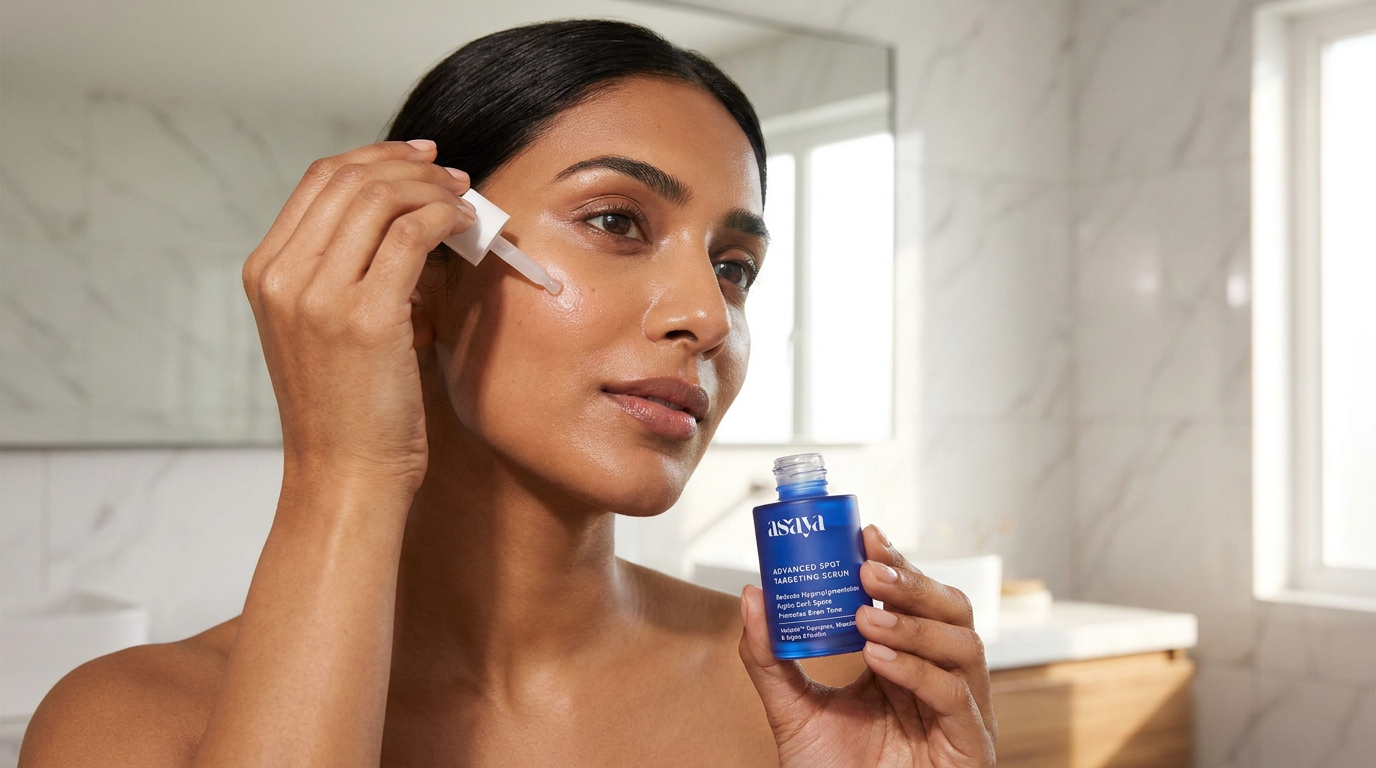
Dispense 2-3 drops of your pigmentation serum for face onto your fingertips. Gently press the serum into affected areas, then spread it evenly across your entire face. Avoid rubbing or massaging aggressively, as this can cause irritation. Wait 5-10 minutes before applying your moisturizer. This waiting period allows the active ingredients to fully penetrate your skin before you add the next layer.
Many complexion enhancing serums work best when applied in the evening, especially those containing retinol or alpha hydroxy acids. These ingredients can increase photosensitivity, making your skin more susceptible to sun damage during the day. If you prefer morning application, always follow with a broad-spectrum sunscreen of at least SPF 30. This step isn't optional – it's essential for preventing further pigmentation and protecting your investment in treatment.
Consistency trumps intensity when it comes to treating pigmentation. Using your serum regularly with patience yields better long-term results than sporadic use of stronger formulations. Start slowly, especially with potent ingredients like retinol or high-concentration vitamin C. Begin with every other day application, gradually increasing to daily use as your skin builds tolerance.
The order of product application matters significantly. Apply your skin discoloration solution after cleansing and toning but before heavier creams or oils. This ensures maximum absorption of active ingredients. Avoid combining certain ingredients that can neutralize each other or cause irritation. For example, don't use vitamin C and retinol simultaneously, as they can destabilize each other and increase sensitivity.
Most people begin seeing subtle improvements after 4-6 weeks of consistent use. Significant changes in age spots and overall skin tone typically become apparent after 8-12 weeks. Remember, your skin didn't develop pigmentation overnight, and reversing it takes time.
While a good brightening serum forms the foundation of pigmentation treatment, combining it with other approaches can accelerate your results. Professional treatments work synergistically with at-home care to tackle stubborn discoloration. Gentle exfoliation helps remove the uppermost layer of pigmented skin cells while allowing your serum to penetrate more effectively. Consider incorporating a mild chemical exfoliant like lactic acid or glycolic acid once or twice weekly.
Chemical peels performed by skincare professionals can provide more dramatic results for severe pigmentation. These treatments remove multiple layers of damaged skin, revealing fresher, more evenly toned skin underneath. Laser treatments offer another avenue for stubborn melasma treatment or deep age spots. However, these should always be performed by qualified professionals and may require multiple sessions.
Achieving clearer skin is only half the battle – maintaining those results requires ongoing commitment and smart lifestyle choices. Sun protection remains your most powerful weapon against future pigmentation. Broad-spectrum sunscreen should be your daily non-negotiable, regardless of weather or season. UV rays penetrate clouds and windows, making protection essential even on overcast days or when spending time indoors near windows.
A balanced diet rich in antioxidants supports your skin's natural repair processes. Foods high in vitamin C, vitamin E, and beta-carotene help combat free radical damage that can contribute to pigmentation. Stress management also plays a role in skin health. Chronic stress can trigger hormonal fluctuations that worsen conditions like melasma, making relaxation techniques a valuable addition to your skincare routine.
The best serum depends on your specific skin type and pigmentation concerns. Vitamin C serums work well for general brightening and prevention, while retinol-based serums excel at treating established dark spots and improving overall skin texture.
Vitamin C can significantly fade pigmentation over time by inhibiting melanin production and accelerating cell turnover. However, complete removal of deep or old pigmentation may require additional treatments or professional intervention.
Most people notice initial improvements after 4-6 weeks of consistent use. Significant changes typically become apparent after 8-12 weeks, though deeper pigmentation may take longer to fade.
While most pigmentation serums are safe for various skin types, those with very sensitive skin should start with gentler formulations and lower concentrations. Always patch test new products before full-face application.
Many ingredients commonly found in pigmentation serums, such as retinoids and high-concentration acids, aren't recommended during pregnancy. Consult with your healthcare provider and consider pregnancy-safe alternatives like vitamin C or azelaic acid.
Transforming your complexion with a pigmentation serum for face requires patience, consistency, and the right approach. Understanding your specific pigmentation type helps you choose the most effective ingredients and treatment strategy. Remember that results take time – typically 8-12 weeks for significant improvement – so stick with your routine even when progress seems slow. Most importantly, never skip sun protection, as it's your best defense against future pigmentation and essential for maintaining the results you work so hard to achieve. With the right serum and proper application technique, brighter, clearer skin is absolutely within your reach.
