


Tutorial: Achieve Flawless Lips with the Best Lip Balm for Pigmentation
Your Cart
0You May Also Like
Many people struggle with uneven lip tone and dark spots that can affect their confidence. Lip pigmentation issues are more common than you might think, affecting people of all skin types and ages. Whether you're dealing with naturally darker lips, sun damage, or discoloration from habits like smoking, finding the best lip balm for pigmentation can be a game-changer for your daily routine. The good news is that with the right approach and consistent care, you can work toward achieving the even-toned lips you've always wanted. This guide will walk you through everything you need to know about selecting and using lip pigmentation treatment products effectively.
Lip pigmentation doesn't happen overnight, and understanding the root causes can help you choose the most effective treatment approach. Several factors contribute to uneven lip tone, and knowing which ones apply to your situation helps you pick the right pigmented lips remedy. Sun exposure is one of the biggest culprits behind lip discoloration. Your lips have very thin skin with minimal melanin protection, making them vulnerable to UV damage. Over time, this exposure can lead to dark spots and uneven pigmentation that becomes more noticeable with age.
Smoking and excessive caffeine consumption can darken your lips over time. The nicotine and tar in cigarettes, along with the heat from smoking, can cause permanent discoloration. Similarly, drinking lots of coffee or tea without proper lip protection can gradually stain your lips.
Hormonal changes during pregnancy or due to certain medications can trigger melanin production in your lips. Some people also have a genetic predisposition to darker lips, which is completely normal but may be something they want to address cosmetically.
When shopping for a skin lightening lip balm, certain ingredients have proven track records for addressing pigmentation issues. These components work in different ways to brighten, protect, and nourish your lips back to health. Vitamin C stands out as one of the most effective brightening agents for lips. It helps inhibit melanin production while providing antioxidant protection against future damage. Look for stable forms like magnesium ascorbyl phosphate or sodium ascorbyl phosphate in your lip discoloration products.
Hyaluronic acid and ceramides help maintain your lip's moisture barrier while supporting the healing process. Well-hydrated lips respond better to brightening treatments and maintain their improved appearance longer.
Kojic acid, derived from fungi, gently inhibits tyrosinase, the enzyme responsible for melanin production. Licorice root extract contains glabridin, which has similar brightening effects while being gentle enough for daily use on sensitive lip skin.
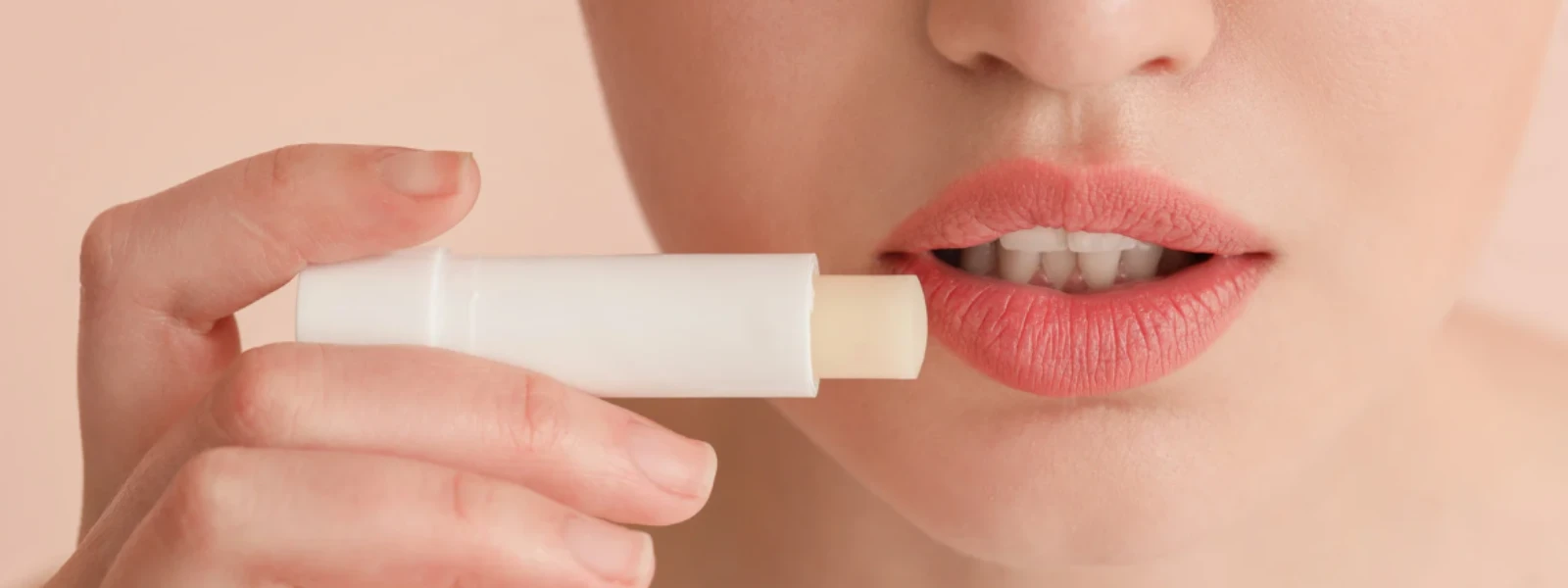
Using brightening lip care products correctly makes a significant difference in your results. The key is consistency and proper technique rather than applying large amounts sporadically. Start with clean lips by gently removing any dead skin or previous product buildup. Apply your chosen evening out lip tone balm in thin, even layers, focusing on areas with the most noticeable discoloration. The best times for application are morning and evening, with additional applications throughout the day as needed.
Morning application should always include SPF protection to prevent further damage. Evening applications can focus more on treatment ingredients since your lips will have time to absorb the active components without sun exposure.
Most lip hyperpigmentation solutions require 4-8 weeks of consistent use before you see noticeable results. Take progress photos to track subtle changes that might not be obvious day-to-day.
While finding the right lip depigmentation balm is important, supporting habits can accelerate your progress and help maintain results long-term. Gentle exfoliation once or twice weekly helps remove dead skin cells and allows your treatment products to penetrate more effectively. Use a soft toothbrush or sugar scrub, but avoid over-exfoliating, which can cause irritation and potentially worsen pigmentation.
Staying hydrated supports your skin's natural healing processes. Drinking plenty of water helps your lips maintain their moisture and supports cellular turnover. Additionally, using a humidifier in dry environments can prevent your lips from becoming overly dry and flaky.
Incorporating SPF into your daily lip care routine is crucial for preventing future discoloration. Even on cloudy days, UV rays can cause cumulative damage that leads to uneven pigmentation over time.
Lip balms containing vitamin C, kojic acid, or niacinamide tend to be most effective for correcting lip discoloration. Look for products that combine these active ingredients with moisturizing components for best results.
Most people see initial improvements within 4-6 weeks of consistent use. Significant changes typically occur after 2-3 months of regular application of lip color correction cosmetics.
Yes, specialized lip balms with brightening ingredients can help reduce hyperpigmentation over time. However, results depend on the cause and severity of discoloration, as well as consistent product use.
It's best to use products specifically formulated for lips, as they're designed to be safe if accidentally ingested and are gentler on the thin lip skin.
Achieving flawless lips with the best lip balm for pigmentation requires patience, consistency, and the right product selection. Focus on ingredients like vitamin C, kojic acid, and niacinamide while maintaining daily sun protection habits. Remember that results take time, but with proper care and realistic expectations, you can significantly improve your lip's appearance and boost your confidence. The key is finding a routine that works for your lifestyle and sticking with it long enough to see the transformation you're looking for.
