


How to Use Skin Hyperpigmentation Treatment Cream for Radiant Skin
Your Cart
0You May Also Like
Dark spots, uneven patches, and discoloration can make your skin look dull and tired. Skin hyperpigmentation treatment cream offers a targeted solution to restore your natural radiance. These specialized formulas work to fade dark spots while promoting an even complexion. Whether you're dealing with age spots, melasma, or post-acne marks, the right approach can transform your skin's appearance. Understanding how to use these products correctly makes all the difference in achieving the glowing skin you want.
Hyperpigmentation happens when your skin produces too much melanin in certain areas. This creates darker patches that stand out from your natural skin tone. The condition affects people of all ages and skin types, though some are more prone to it than others.
Sun exposure is the biggest culprit behind uneven skin tone. UV rays trigger melanin production as your skin tries to protect itself. Hormonal changes during pregnancy or from birth control can also lead to melasma. Acne, cuts, and other injuries often leave behind dark marks as they heal.
Age spots appear as small, dark patches on areas that get lots of sun. Melasma treatment targets larger, symmetrical patches that often show up on the face. Post-inflammatory hyperpigmentation develops after skin trauma like acne or eczema.
Not all skin brightening cream products work the same way. Different ingredients target pigmentation through various mechanisms. Some block melanin production while others help remove existing dark spots.
Vitamin C brightens skin and protects against future damage. Kojic acid comes from fungi and helps fade existing spots. Arbutin works gently to reduce melanin production. Retinoids speed up cell turnover to reveal fresh, even-toned skin underneath.
Sensitive skin needs gentler formulas with lower concentrations of active ingredients. Oily skin can handle stronger treatments without irritation. Dry skin benefits from dark spot corrector products that include moisturizing ingredients.
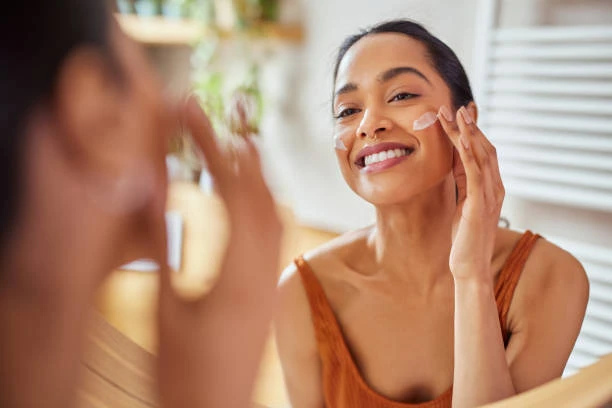
Proper application ensures you get the best results from your pigmentation reduction routine. Start with clean skin and follow the correct order of products. Begin by washing your face with a gentle cleanser. Pat dry with a clean towel. Apply the hyperpigmentation cream to affected areas using clean fingertips. Use small amounts and spread evenly. Let the product absorb completely before applying other skincare items.
Most treatments work best when used consistently at the same time each day. Evening application is often preferred since some ingredients make skin more sensitive to sunlight. Start with every other day to test your skin's tolerance, then gradually increase to daily use.
Layer your skin discoloration solution correctly with other skincare items. Apply thinnest to thickest consistency. Use vitamin C in the morning and retinoids at night to avoid conflicts. Always finish with moisturizer and sunscreen during the day.
Patience is key when treating hyperpigmentation. Most people see initial changes within 4-6 weeks of consistent use. Full results often take 3-6 months to appear.
Sunscreen prevents new dark spots from forming and protects healing skin. Use broad-spectrum SPF 30 or higher every day, even when indoors. Reapply every two hours when outside. Wear protective clothing and seek shade during peak sun hours.
Gentle exfoliation helps age spots removal by removing dead skin cells. Chemical exfoliants like glycolic acid work well with pigmentation treatments. Professional treatments like chemical peels can speed up results when combined with at-home care.
Realistic expectations help you stay motivated throughout your treatment journey. Different types of hyperpigmentation respond at different rates to treatment.
Superficial spots often fade faster than deeper pigmentation. Melasma typically takes longer to treat than age spots. Post-inflammatory hyperpigmentation usually responds well to consistent treatment. Track your progress with photos taken in the same lighting conditions.
Consult a dermatologist if spots change size, color, or texture. Professional guidance helps when over-the-counter skin lightening products aren't working after 3 months of consistent use. Some conditions require prescription-strength treatments for effective results.
Look for products containing proven ingredients like vitamin C, kojic acid, or arbutin. Choose formulas designed for your specific skin type and concerns. Gentle, consistent treatment works better than harsh, sporadic application.
Children's hyperpigmentation often fades naturally as they grow. Gentle sun protection is the most important step. Consult a pediatric dermatologist before using any treatment products on young children's delicate skin.
Most complexion enhancing cream products are safe for daily use once your skin adjusts. Start slowly with every other day application. Increase frequency gradually as your skin tolerates the treatment. Always follow product instructions.
Dermatologists often recommend products with clinically proven ingredients and appropriate concentrations. Look for brands that conduct clinical testing and provide ingredient transparency. Professional-grade products may offer stronger formulations when needed.
Most people notice initial improvements within 4-8 weeks of consistent use. Significant changes typically appear after 3-4 months. Deeper pigmentation may take 6 months or longer to fade completely.
Achieving radiant, even-toned skin takes time and consistency. The right skin hyperpigmentation treatment cream combined with proper application techniques delivers the best results. Remember that sun protection is just as important as treatment for preventing new dark spots. Stay patient and consistent with your routine – your skin will thank you with a healthy, glowing complexion that makes you feel confident and beautiful.
