


Why Do Teens Get Melanin-Rich Skin? Your FAQ Answered
Your Cart
0You May Also Like
Teenage years bring countless changes, and one of the most noticeable is often skin transformation. Many teens and their parents wonder why some adolescents develop more melanin-rich skin during puberty. This natural process involves complex biological mechanisms that go far beyond simple genetics. Understanding melanin production in teenagers helps families navigate these changes with confidence and knowledge.
The journey of teen skin pigmentation involves hormones, genetics, environmental factors, and natural development patterns. While some changes are temporary, others become permanent features of a teen's unique skin tone. Let's explore the fascinating science behind why teens get melanin-rich skin and what this means for their overall skin health.
Melanin acts as your skin's natural protection system. Think of it as tiny umbrellas scattered throughout your skin cells, shielding you from harmful UV rays. During teenage years, these protective mechanisms often become more active, leading to darker skin tones in teens.
Your skin contains special cells called melanocytes that work like pigment factories. These cells produce two main types of melanin: eumelanin (which creates brown and black tones) and pheomelanin (which produces red and yellow hues). The combination and amount of these melanins determine your unique skin color.
For teens, increased melanin production often means better natural sun protection. Melanin-rich skin typically has an SPF equivalent of 3-4, which is significantly higher than lighter skin tones. This biological advantage helps protect against sun damage and premature aging. However, it also means that any skin trauma or inflammation can lead to more noticeable dark spots or patches.
The teenage years mark a crucial period for skin pigmentation in adolescents. During this time, hormonal surges trigger increased activity in melanocytes. The process begins when an enzyme called tyrosinase converts the amino acid tyrosine into melanin. This newly formed melanin then travels from melanocytes to surrounding skin cells, creating the visible pigmentation we see.
What makes teen melanin production unique is its intensity and responsiveness. Adolescent skin tends to react more dramatically to triggers like sun exposure, hormonal fluctuations, and skin injuries. This heightened sensitivity explains why teens often experience more pronounced pigmentation changes compared to children or adults.
Puberty hormones, particularly estrogen and testosterone, directly influence melanin production. These hormonal changes and skin color teens experience are interconnected in fascinating ways. Estrogen can stimulate melanocyte activity, which is why some teen girls notice darker patches on their face, especially around the cheeks and forehead.
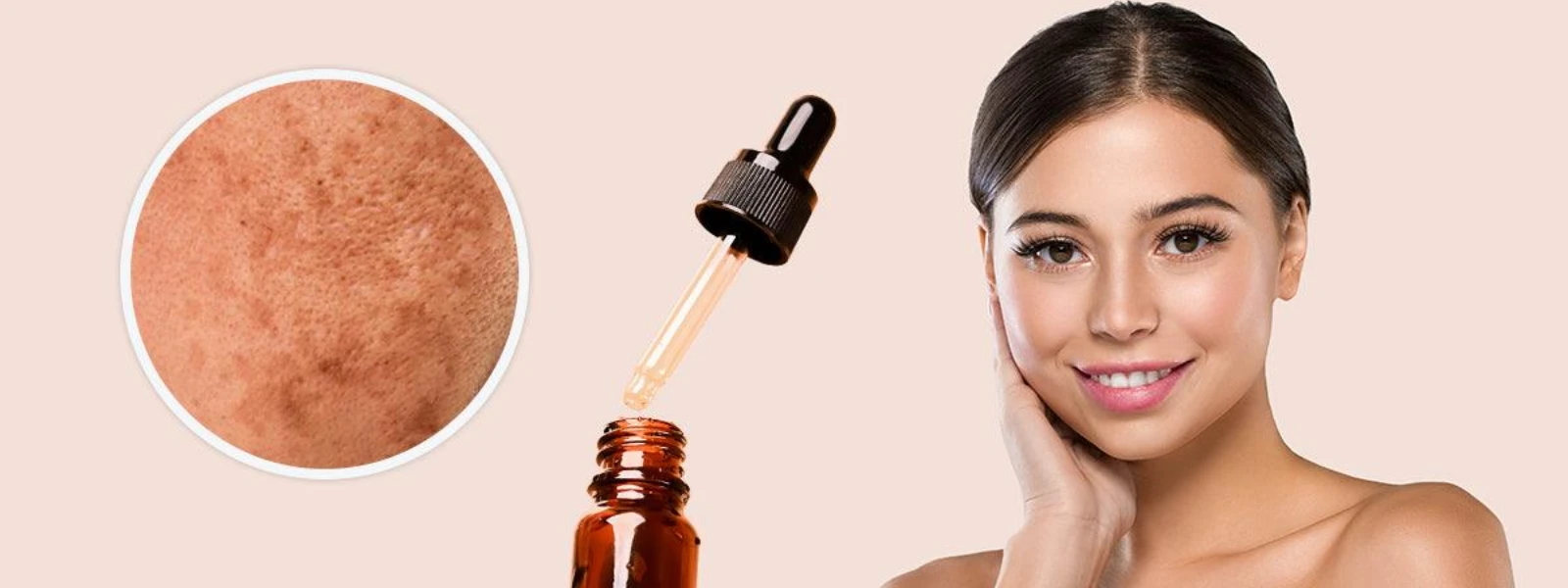
Testosterone also plays a role by increasing oil production, which can lead to acne. When acne heals, it often leaves behind dark spots due to post-inflammatory hyperpigmentation. This creates a cycle where hormonal acne leads to increased melanin production in affected areas.
The genetics of melanin in young skin provides the foundation, but environmental factors often determine how much melanin actually gets produced. Your genetic makeup sets the potential range for melanin production, while external triggers activate this potential.
Some teens inherit genes that make their melanocytes highly responsive to stimulation. Others may have genetic variations that naturally produce more melanin regardless of external factors. Understanding this balance helps explain why siblings can have different skin tones even when exposed to similar environments.
Your ancestral background significantly influences your melanin production capacity. Families from regions with intense sun exposure typically carry genes for more active melanocyte function. These genetic patterns can become more pronounced during teenage years as hormonal changes activate dormant genetic programming.
Teen skin and sun exposure create the most common environmental trigger for increased melanin production. Even brief periods in the sun can stimulate melanocytes in teen skin more dramatically than in adult skin. Other environmental factors include pollution, stress, and certain skincare products that may irritate sensitive teen skin.
Understanding teen skin pigmentation requires recognizing the difference between normal developmental changes and concerning variations. Most teens experience some degree of pigmentation changes during puberty, and these are typically harmless.
Normal teen pigmentation changes include overall skin darkening, freckle development, and temporary dark spots from acne healing. These changes usually stabilize by late adolescence. However, sudden or dramatic pigmentation changes may warrant professional evaluation to rule out underlying conditions.
Common patterns include increased freckle formation on sun-exposed areas, darker pigmentation around joints like elbows and knees, and uneven tone across the face due to hormonal fluctuations. These variations are part of normal teenage development and often improve with proper skincare and sun protection.
How melanin affects teen skin extends beyond just appearance. Melanin-rich skin tends to have larger oil glands and hair follicles, which can influence acne development and skincare needs. This skin type also tends to retain moisture better, creating a natural barrier against environmental damage.
However, melanin-rich teen skin requires specific care approaches. Harsh scrubbing or aggressive treatments can trigger more melanin production, leading to darker spots. Gentle, consistent skincare routines work best for maintaining healthy pigmentation balance during the teenage years.
Supporting healthy melanin production involves both internal and external approaches. Proper nutrition, adequate hydration, and stress management all contribute to balanced skin pigmentation. The goal isn't to eliminate melanin but to support your skin's natural protective mechanisms.
Daily sunscreen use remains crucial, even for melanin-rich skin. While natural melanin provides some protection, it's not sufficient to prevent all UV damage. Consistent sun protection helps prevent excessive melanin production and maintains even skin tone.
Antioxidant-rich foods like berries, leafy greens, and nuts support healthy skin cell function. Adequate sleep allows skin to repair and regenerate properly, while stress management prevents hormonal spikes that can trigger excessive melanin production.
Gentle cleansing with pH-balanced products helps maintain skin barrier function. Avoiding harsh scrubs or over-exfoliation prevents irritation that could trigger more melanin production. Consistent moisturizing supports healthy skin cell turnover and even pigmentation.
Having melanin-rich skin means your melanocytes produce higher amounts of pigment, resulting in darker skin tones. This provides natural sun protection and often means your skin has better moisture retention and slower aging processes.
Melanin production typically increases most dramatically during puberty, usually between ages 12-16. This coincides with major hormonal changes that stimulate melanocyte activity throughout the body.
High melanin production is generally beneficial as it provides natural sun protection and skin barrier benefits. However, excessive or uneven production may indicate hormonal imbalances or skin irritation that should be addressed.
Teens can manage melanin production through consistent sunscreen use, gentle skincare routines, stress management, and avoiding skin trauma. Natural ingredients like vitamin C and niacinamide can help maintain even skin tone.
Yes, diet influences melanin production. Foods rich in antioxidants, vitamins C and E, and beta-carotene support healthy melanin function. Staying hydrated also helps maintain balanced pigmentation.
Uneven pigmentation often results from hormonal fluctuations, acne scarring, sun damage, or genetic variations in melanocyte distribution. Most uneven pigmentation improves with proper skincare and time.
Melanin-rich skin in teenagers represents a natural, protective response to hormonal changes and environmental factors. While genetics provide the foundation, hormones, sun exposure, and lifestyle factors influence the final outcome. Understanding these processes helps teens and families approach skin changes with confidence rather than concern.
The key to healthy teen skin lies in supporting natural processes rather than fighting them. Gentle skincare, consistent sun protection, and patience allow teenage skin to develop its mature pigmentation patterns safely. Remember that most teen pigmentation changes are temporary and will stabilize as hormones balance in early adulthood.
