


Step-by-Step Guide to Treating Melasma Affecting Indian Skin
Your Cart
0You May Also Like
Melasma affecting Indian skin presents unique challenges that require specialized understanding and treatment approaches. This common pigmentation disorder creates brown or gray patches, typically on the face, and affects millions of people with Indian heritage worldwide. The higher melanin content in Indian skin makes it more susceptible to hyperpigmentation, while also requiring gentler treatment methods to avoid further darkening. Understanding these nuances is crucial for effective treatment and long-term management of this persistent condition.
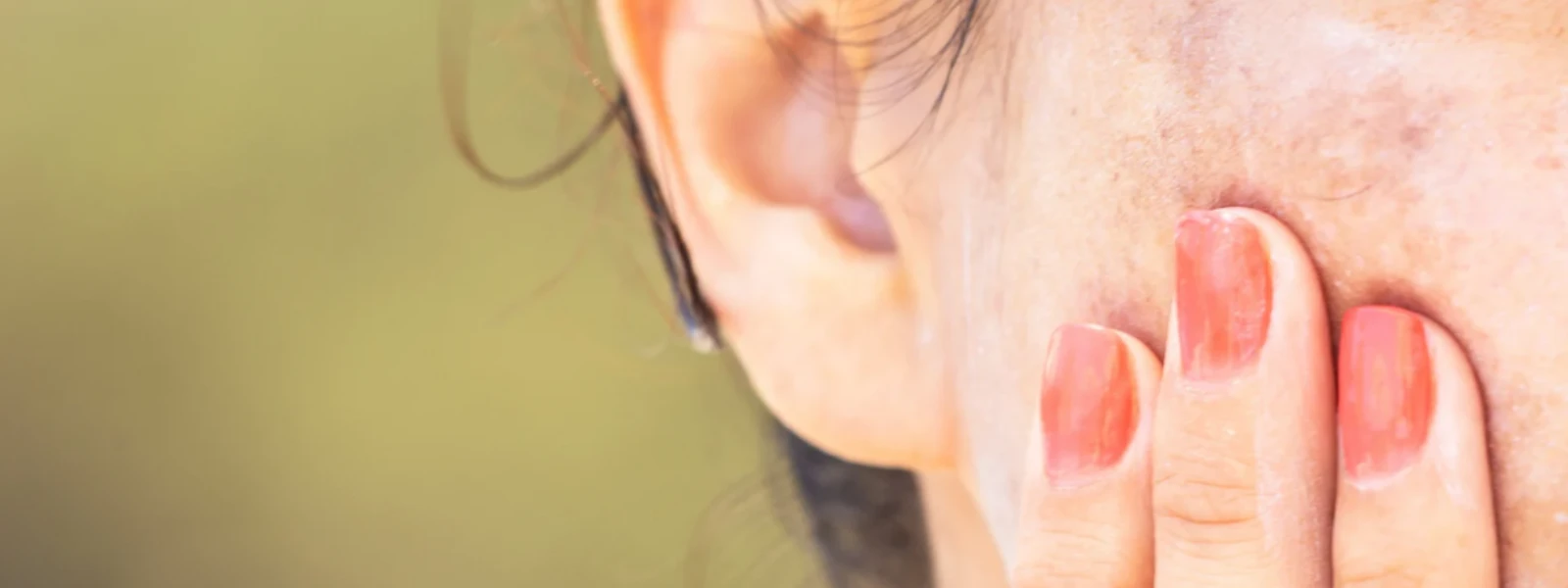
Melasma appears as symmetrical brown patches on the face, most commonly on the cheeks, forehead, nose bridge, and upper lip. In Indian skin, these patches often appear darker and more pronounced due to higher melanin production. The condition affects up to 90% of pregnant women and is particularly common in South Asian populations.
The increased melanin content in Indian skin provides natural sun protection but also makes it more reactive to triggers. When stimulated, melanocytes produce excess pigment that creates the characteristic patches of Indian skin hyperpigmentation.
Melasma typically presents in three patterns: centrofacial (cheeks, forehead, nose), malar (cheeks and nose), and mandibular (jawline). The patches are usually symmetrical and have irregular borders.
Understanding melasma causes Indian skin experiences helps in both treatment and prevention. Multiple factors contribute to melasma development, often working together to trigger pigmentation changes. Hormonal fluctuations remain the primary cause, but environmental and genetic factors play significant roles.
Pregnancy hormones, birth control pills, and hormone replacement therapy can trigger melasma. The condition often appears during pregnancy, earning the nickname "pregnancy mask."
India's intense UV radiation and high humidity levels create perfect conditions for melasma development. Even brief sun exposure can worsen existing patches or trigger new ones.
Family history significantly increases melasma risk. If relatives have experienced pigmentation on face Indian skin, you're more likely to develop the condition.
Effective melasma treatment Indian skin requires professional guidance to avoid complications like post-inflammatory hyperpigmentation. Dermatologists typically recommend combination approaches that target multiple aspects of pigmentation formation. Treatment success depends on choosing methods suitable for darker skin tones.
Hydroquinone remains the gold standard, often combined with tretinoin and corticosteroids. Azelaic acid and kojic acid offer gentler alternatives for sensitive Indian skin.
Glycolic acid and lactic acid peels, when performed correctly, can help with treating melasma in brown skin. Lower concentrations reduce the risk of adverse reactions.
Q-switched lasers and fractional lasers show promise, but require experienced practitioners familiar with darker skin types to prevent complications.
Choosing the right melasma creams Indian skin can tolerate requires understanding active ingredients and their concentrations. Over-the-counter options can be effective when used consistently and correctly. The key is finding products that lighten pigmentation without causing irritation or rebound darkening.
• Niacinamide: Reduces pigmentation and strengthens skin barrier
• Vitamin C: Antioxidant protection and brightening effects
• Alpha Arbutin: Gentle melanin inhibitor
• Kojic Acid: Natural skin lightener
• Azelaic Acid: Anti-inflammatory and depigmenting properties
Apply treatments only to affected areas initially. Start with every other night to assess tolerance, then gradually increase frequency as skin adapts.
While professional treatment remains most effective, certain melasma home remedies Indian skin can safely support your treatment routine. Natural ingredients with proven benefits can complement medical treatments without causing harm. However, realistic expectations are important as home remedies work slowly and may not completely clear melasma.
• Turmeric: Anti-inflammatory properties help reduce pigmentation
• Licorice Extract: Contains glabridin, which inhibits melanin production
• Green Tea: Antioxidants protect against further damage
• Aloe Vera: Soothes inflammation and supports healing
Mix turmeric powder with milk to create a gentle brightening mask. Apply twice weekly for 15 minutes, then rinse with cool water.
Preventing melasma prevention Indian skin requires comprehensive sun protection and lifestyle modifications. Since melasma can return even after successful treatment, prevention becomes a lifelong commitment. Understanding your triggers and protecting against them is crucial for maintaining clear skin.
Use broad-spectrum SPF 30 or higher daily, reapplying every two hours. Physical sunscreens with zinc oxide or titanium dioxide work best for sensitive, pigmented skin.
Wear wide-brimmed hats and seek shade during peak sun hours (10 AM to 4 PM). Consider UV-protective clothing for extended outdoor activities.
Treatment of Indian skin dark spots often involves setbacks and requires patience. Understanding common challenges helps maintain realistic expectations and prevents treatment abandonment. Melasma treatment in darker skin types typically takes longer and requires more careful monitoring to prevent complications.
• Slow response to treatment (3-6 months for visible improvement)
• Risk of post-inflammatory hyperpigmentation
• Seasonal variations in pigmentation intensity
• Hormonal fluctuations affecting treatment response
If improvement stalls, consult your dermatologist about adjusting treatment strength or adding complementary therapies. Combination approaches often break through treatment resistance.
Most people see initial improvement after 6-12 weeks of consistent treatment. Complete clearing may take 6-12 months or longer, depending on the severity and treatment approach used.
Melasma can be effectively managed and cleared, but it tends to be a chronic condition that may return. Ongoing maintenance therapy and sun protection are essential for preventing recurrence.
Topical treatments like azelaic acid, kojic acid, and lower-concentration hydroquinone are generally safest. Chemical peels and laser treatments require experienced practitioners familiar with treating darker skin.
Some treatments may initially cause mild irritation or temporary darkening. However, significant worsening should be reported to your dermatologist immediately as it may indicate an inappropriate treatment choice.
Yes, mineral makeup and tinted sunscreens can provide coverage while protecting skin. Choose non-comedogenic products that won't interfere with your treatment routine.
Successfully treating melasma affecting Indian skin requires a comprehensive approach combining professional treatments, appropriate skincare products, and diligent sun protection. While the journey may be longer for darker skin types, consistent treatment and patience yield excellent results. Remember that prevention is equally important as treatment, and maintaining your results requires ongoing commitment to sun protection and proper skincare. Work with a dermatologist experienced in treating pigmentation disorders in Indian skin to develop a personalized treatment plan that addresses your specific needs and skin type.
