


Skin Type Changed from Oily to Dry FAQ: Your Questions Answered
Your Cart
0You May Also Like
Noticing your once-oily skin feeling tight, flaky, or unexpectedly dry? You're not alone. Many people experience their skin type shifting from oily to dry, and it can feel confusing when your usual skincare routine suddenly stops working. Whether it's happening gradually over months or seemingly overnight, this transition is more common than you might think. Understanding why your oily skin is becoming dry and how to adapt your routine can help restore your skin's balance and comfort.
• Your skin type can temporarily or permanently shift from oily to dry due to factors like over-treatment, hormonal changes, aging, or environmental conditions.
• The most common cause is damage from harsh skincare products that strip your skin's natural barrier.
• Recovery involves gentle cleansing, barrier repair, and gradually rebuilding your routine with hydrating ingredients.
Yes, your skin type can change from oily to dry, though it's often temporary rather than permanent. Your skin's oil production isn't set in stone—it responds to internal and external factors throughout your life. True skin type changes usually happen gradually over years, often linked to aging. As you get older, your sebaceous glands naturally produce less oil, which is why many people who had oily skin in their teens and twenties find themselves dealing with dryness in their thirties and beyond. However, what feels like a sudden skin type change is usually your skin reacting to something specific. Your skin might be damaged, dehydrated, or responding to a new product or environmental factor. The good news? These reactive changes are often reversible once you identify and address the cause.
Several factors can cause your oily skin to become dry. Understanding the root cause helps you choose the right approach to fix it.
The most common reason for oily skin turning dry is using products that are too harsh. If you've been aggressively treating acne or oiliness with strong actives like retinoids, salicylic acid, or benzoyl peroxide, you might have damaged your skin barrier. Alcohol-based toners, harsh scrubs, and over-cleansing can also strip away your skin's protective oils. When your skin barrier is compromised, it can't hold onto moisture properly. This leads to that tight, dry feeling even though your skin was previously oily.
Hormones play a huge role in oil production. Stress, pregnancy, menopause, starting or stopping birth control, and certain medications can all shift your hormone levels and change how much oil your skin produces. Cortisol from chronic stress is particularly notorious for affecting skin. High stress levels can initially increase oil production, but prolonged stress often leads to skin barrier damage and dryness.
Changes in weather, humidity, or your living environment can affect your skin. Moving to a drier climate, spending more time in air-conditioned spaces, or seasonal changes can all contribute to skin becoming drier than usual. Winter weather is especially harsh on skin that's used to being oily. The combination of cold outdoor air and heated indoor spaces can quickly dehydrate your skin.
As you age, your skin naturally produces less oil. This process usually starts in your late twenties or early thirties. If you're noticing your oily skin becoming less oily or even dry, this could be a normal part of aging.
Recovering from an oily-to-dry skin transition requires patience and the right approach. Here's how to help your skin heal and find its new balance.
First, identify what might be causing the dryness and stop using it temporarily. This means pausing harsh actives, switching to a gentler cleanser, and avoiding anything that makes your skin feel tight or irritated. The Asaya Even Tone Face Cleanser is an excellent choice during this transition. Its low-pH, non-stripping formula gently cleanses without compromising your skin barrier, while ingredients like Alpha Arbutin and Kojic Acid continue to address any lingering concerns from your oily skin days.
Focus on ingredients that help repair and strengthen your skin barrier. Look for products with ceramides, hyaluronic acid, and niacinamide. These ingredients help your skin hold onto moisture and rebuild its protective function. The Asaya 10% Niacinamide & 1% Alpha Arbutin Serum works beautifully during this phase. While it was originally designed for oily skin concerns, the niacinamide helps regulate oil production and strengthen your skin barrier, making it perfect for transitional skin.
Start with lightweight, hydrating products and gradually build up as your skin tolerates them. Hyaluronic acid serums, gentle moisturizers, and facial oils can all help restore moisture without overwhelming your skin. Avoid the temptation to pile on heavy creams immediately. Your skin needs time to adjust, and too much too fast can sometimes cause breakouts or irritation.
If your skin has suddenly become dry after being oily, it's important to distinguish between temporary dehydration and actual skin damage. Dehydrated skin lacks water but may still produce oil, leading to that confusing "oily but tight" feeling. Damaged skin, on the other hand, has a compromised barrier and needs more intensive repair. Signs your skin barrier is damaged include persistent tightness, flaking, increased sensitivity, and skin that feels dry no matter how much moisturizer you apply. If these symptoms persist for more than a few weeks with gentle care, consider seeing a dermatologist.
Building a routine for skin in transition requires flexibility and attention to how your skin responds.
Start with a gentle cleanser, followed by a hydrating serum or treatment. The Asaya 15% Vitamin C + E Serum with Ferulic Acid can be excellent for transitioning skin, as it provides antioxidant protection while being gentle enough for sensitive, recovering skin. Follow with a lightweight moisturizer and always finish with sunscreen. Sun protection is crucial when your skin barrier is compromised.
Double cleanse if you wear makeup or sunscreen, then apply your treatment products. Start slowly with any actives—your skin may be more sensitive than it was when it was oily. End with a slightly richer moisturizer than you use in the morning. Your skin does most of its repair work overnight, so this is when it needs the most support.
The rarest skin type is generally considered to be normal skin, which is balanced and doesn't lean towards oily or dry. However, this can vary based on demographics and environmental factors.
To fix oily but dry skin, focus on repairing your skin barrier and rebalancing hydration. Start by pausing harsh treatments and using gentle, hydrating products. Ingredients like ceramides, hyaluronic acid, and niacinamide are key. Gradually reintroduce actives as your skin tolerates them, and always use sunscreen.
Yes, but true permanent changes usually happen gradually over years, often due to aging or significant hormonal shifts. Most sudden changes are temporary responses to products, environment, or stress.
Sudden changes are usually caused by over-treatment with harsh products, environmental factors like weather changes, or stress affecting your hormones. Check what you've changed in your routine recently.
If the change is due to product damage, you might see improvement in 2-4 weeks with gentle care. Complete barrier repair can take 6-8 weeks. Be patient and consistent with your new routine.
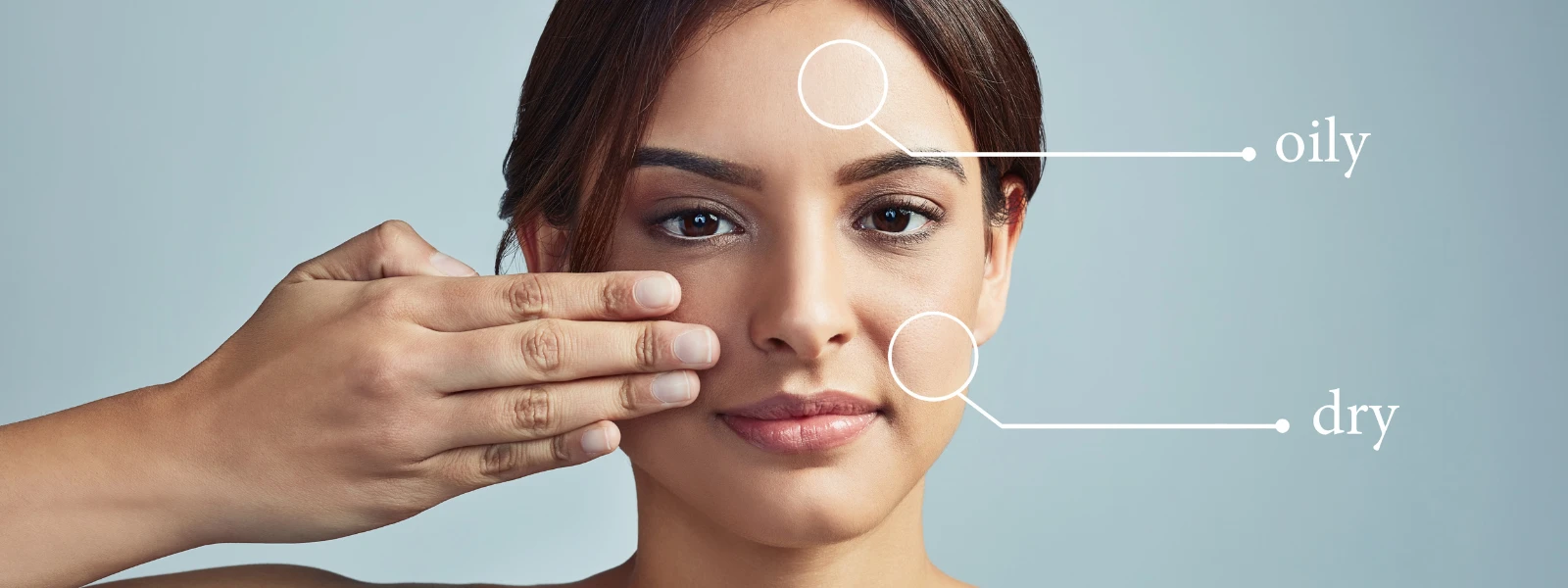
Not necessarily. You might still need some oil control in your T-zone while treating dryness in other areas. The Asaya 10% Niacinamide & 1% Alpha Arbutin Serum is perfect for this, as it balances oil production without over-drying.
Avoid alcohol-based toners, harsh scrubs, high concentrations of acids, and anything that makes your skin feel tight. Stick to gentle, hydrating ingredients until your skin stabilizes.
Skin type transitions from oily to dry can feel overwhelming, but they're often your skin's way of telling you it needs different care. The key is listening to your skin and adjusting your routine accordingly, rather than fighting against the change. Remember that this transition period is temporary. With the right approach—gentle cleansing, barrier repair, and gradual hydration—your skin will find its new balance. Products featuring advanced ingredients like MelaMe™ Complex can be particularly helpful during this time, as this melanin-first molecule is designed to work effectively on all skin types while being gentle enough for sensitive, transitioning skin. Be patient with the process and don't be afraid to simplify your routine while your skin heals. Sometimes less really is more, especially when your skin is figuring out what it needs.
