


Oily Skin & Pimples: A Complete Skincare Guide
Your Cart
0You May Also Like
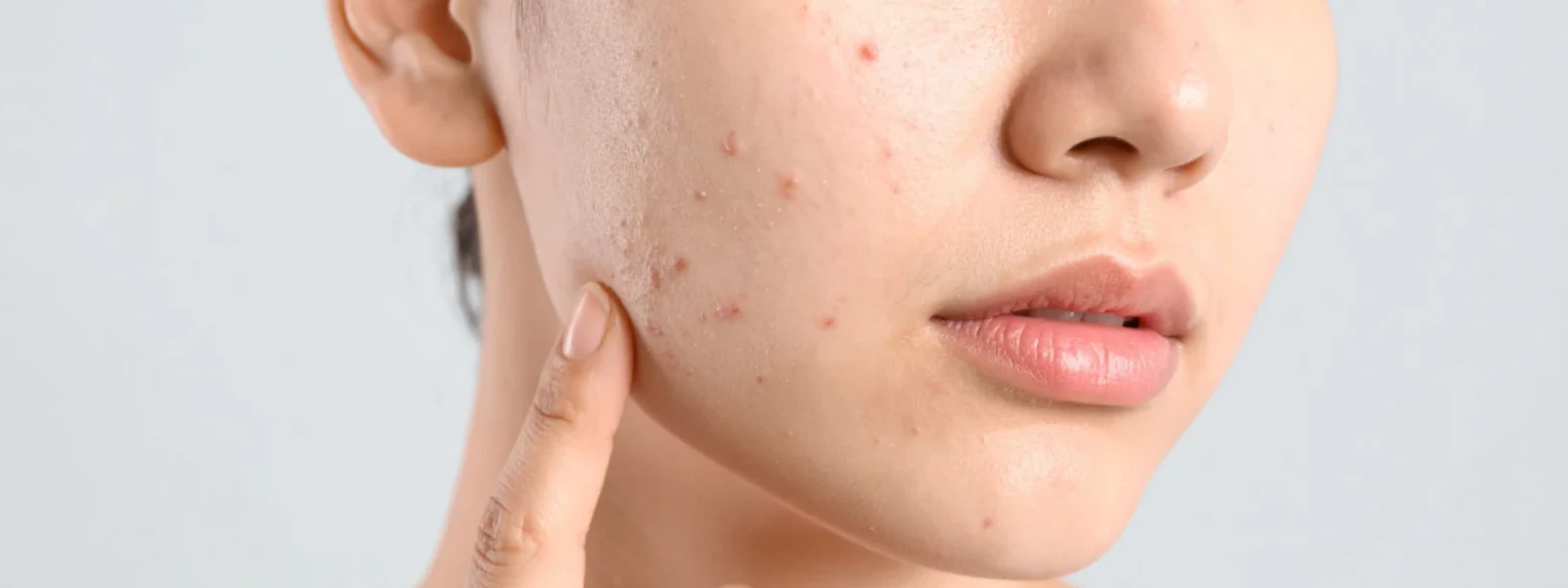
Dealing with oily skin and constant breakouts can feel like an endless battle. You're not alone in wondering why your skin produces so much oil and why it seems to attract pimples like a magnet. The relationship between oily skin and acne isn't just bad luck – it's rooted in science. Understanding why oily skin gets pimples is the first step toward clearer, healthier skin. Let's dive into the fascinating world of sebum production, pore behavior, and the cascade of events that lead to those frustrating breakouts.
Your skin's oil production system is more complex than you might think. When everything works perfectly, your skin stays protected and healthy. But when things go wrong, you end up with shiny skin and unwanted pimples.
Your sebaceous glands work like tiny oil factories beneath your skin's surface. These glands produce sebum, a natural oil that keeps your skin moisturized and protected from environmental damage. In normal amounts, sebum is your friend. It creates a protective barrier and keeps your skin soft. However, some people's glands go into overdrive. Hormones like testosterone and DHT can trigger your sebaceous glands to pump out way more oil than needed. This excess oil doesn't just sit on your skin's surface – it mixes with dead skin cells and can create the perfect storm for breakouts.
Pimples don't appear overnight. They're the result of a specific chain of events that starts deep in your pores. When excess oil combines with dead skin cells, it creates a plug that blocks your pore opening. This blocked environment becomes a paradise for bacteria, especially Propionibacterium acnes. These bacteria love oil-rich, oxygen-free spaces. As they multiply, your immune system kicks in, sending white blood cells to fight the infection. This immune response causes the redness, swelling, and pain we recognize as a pimple.
Not everyone with oily skin gets pimples, and not everyone with pimples has oily skin. Several factors determine whether your oily skin will be prone to breakouts.
Hormones are often the main culprit behind both oily skin acne and increased oil production. During puberty, hormone levels spike dramatically, which explains why teenage acne is so common. But hormones don't stop affecting your skin after your teens. Adult women often notice their skin gets oilier and more breakout-prone during certain times of their menstrual cycle. The week before your period, progesterone levels rise, which can trigger your sebaceous glands to produce more oil.
Your genes play a huge role in determining your skin type and acne susceptibility. If your parents had oily skin or struggled with acne, you're more likely to experience similar issues. Genetics influence everything from pore size to how much oil your glands produce. While you can't change your genetics, understanding your family history helps you prepare and choose the right skincare approach from the start.
Your environment and daily habits can either help or hurt your oily skin situation. High humidity can make your skin feel oilier, while stress triggers cortisol production, which can increase oil production and inflammation. Certain foods might also play a role. Some studies suggest that high-glycemic foods and dairy products could worsen acne in some people, though the research is still evolving.
Preventing pimples on oily skin requires a strategic approach that addresses oil production without stripping your skin completely. The goal is balance, not elimination of all oil.
Your morning routine should focus on gentle cleansing and oil control without over-drying. Start with a mild, non-comedogenic cleanser that removes excess oil without triggering more production. Follow with a lightweight, oil-free moisturizer – yes, even oily skin needs hydration. Evening routines can be more intensive. This is when you can incorporate active ingredients like salicylic acid or retinoids. Always finish with a moisturizer to maintain your skin barrier.
Salicylic acid is a game-changer for oily skin and breakouts. This beta-hydroxy acid penetrates oil-filled pores and helps dissolve the plugs that lead to blackheads and whiteheads. It also has anti-inflammatory properties that can calm existing breakouts. Niacinamide is another superstar ingredient for managing oily skin. It helps regulate sebum production and can reduce the appearance of enlarged pores. Unlike some acne treatments, niacinamide is gentle and rarely causes irritation.
What you do outside your skincare routine matters too. Getting adequate sleep helps regulate hormones that affect oil production. Managing stress through exercise, meditation, or other healthy outlets can prevent stress-induced breakouts. Pay attention to what touches your face throughout the day. Dirty pillowcases, phone screens, and hands can transfer bacteria to your skin and worsen breakouts.
When prevention isn't enough, targeted treatments can help clear existing breakouts and prevent new ones from forming. The key is choosing treatments that work with your oily skin type, not against it.
Benzoyl peroxide remains one of the most effective best acne treatments available without a prescription. It kills acne bacteria and helps prevent new breakouts. Start with a lower concentration (2.5%) to minimize irritation, especially if you're new to acne treatments. Alpha hydroxy acids like glycolic acid can help with both acne and the texture issues that often accompany oily skin. These acids gently exfoliate the skin surface, preventing dead skin cells from clogging pores.
If over-the-counter treatments aren't cutting it, a dermatologist can prescribe stronger medications. Topical retinoids are often the gold standard for treating acne and preventing future breakouts. They work by increasing cell turnover and preventing pores from becoming clogged. For severe cases, oral medications might be necessary. These can include antibiotics for bacterial control or hormonal treatments for women with hormone-related acne.
Tea tree oil has antimicrobial properties that can help fight acne bacteria. However, it should always be diluted before applying to skin, as pure tea tree oil can cause irritation. Clay masks can provide temporary oil absorption and pore cleansing. Look for masks containing bentonite or kaolin clay, which are particularly effective for oily skin types.
Successful management of oily skin and acne requires patience and consistency. Your skin didn't become oily overnight, and it won't change overnight either.
Your skin's needs change with the seasons. Summer heat and humidity can increase oil production, requiring more frequent cleansing and stronger oil-control products. Winter's dry air might actually help balance oily skin, but you'll need to be careful not to over-dry. Adjust your routine gradually as seasons change. What works in July might be too harsh for January.
Always look for products labeled "non-comedogenic," which means they won't clog pores. Avoid products with heavy oils or thick, occlusive ingredients that might trap oil and bacteria in your pores. Don't fall into the trap of thinking harsher is better. Over-cleansing or using too many drying products can actually trigger your skin to produce more oil as a protective response.
Keep track of your skin's response to different products and treatments. Take photos to document progress, as day-to-day changes can be subtle and hard to notice. Most acne treatments take 6-12 weeks to show significant results. Be patient and consistent before deciding a treatment isn't working.
Some products can clog pores or irritate your skin, triggering more oil production. Heavy moisturizers, comedogenic ingredients, or overly harsh treatments can all make oily skin worse. Always patch test new products and introduce them gradually.
Most people start seeing improvements in 4-6 weeks with consistent treatment. However, significant changes often take 3-4 months. Your skin needs time to complete its natural renewal cycle and respond to new treatments.
Yes, skin can change over time due to hormonal shifts, aging, and environmental factors. Many people find their skin becomes less oily as they age, particularly after menopause when hormone levels stabilize.
Oily skin refers to excess sebum production, while acne-prone skin is susceptible to breakouts. You can have oily skin without acne, or acne without particularly oily skin. However, the two often go together.
Not necessarily. Many effective acne treatments are available at drugstore prices. The key is finding ingredients that work for your specific skin type and concerns, regardless of price point.
Look for gradual improvements in oil control, fewer new breakouts, and better overall skin texture. Keep in mind that some treatments may cause initial purging before improvement begins.
Understanding why oily skin gets pimples empowers you to make better skincare choices. The connection between excess oil production, clogged pores, and bacterial growth explains why targeted treatments work better than random product experimentation. Remember that managing oily skin and preventing pimples is a marathon, not a sprint. Consistency with gentle, effective products will always beat aggressive, sporadic treatments. Your skin is unique, so what works for others might need adjustment for your specific needs. With the right knowledge and approach, you can successfully manage oily skin and minimize breakouts. Focus on understanding your skin's patterns, choosing appropriate treatments, and maintaining realistic expectations about timelines for improvement.
