


Hyperpigmentation Treatment vs. Natural Remedies: Which Fades Dark Spots Faster?
Your Cart
0You May Also Like
Dark spots and uneven skin tone affect millions of people, especially those with Indian skin tones who are more prone to post-inflammatory hyperpigmentation. When you're dealing with stubborn pigmentation, you're probably wondering whether professional treatments or natural remedies will give you faster results. The truth is, both approaches have their place in treating hyperpigmentation, but they work at very different speeds and require different levels of commitment. Understanding the science behind each method will help you make the right choice for your skin type, budget, and timeline expectations.
Before diving into treatment comparisons, it's crucial to understand what causes dark spots on skin and why some people are more susceptible than others. Hyperpigmentation occurs when melanin production goes into overdrive, creating patches of darker skin that can range from light brown to deep black.
Hyperpigmentation happens when your skin produces excess melanin in response to various triggers. This process involves melanocytes, the cells responsible for skin color, becoming overactive and depositing more pigment than normal in specific areas.
The main types of hyperpigmentation include melasma (often triggered by hormonal changes), post-inflammatory hyperpigmentation (PIH from acne or injuries), and solar lentigines (age spots from sun damage). Each type responds differently to treatment approaches.
The most common skin discoloration causes include UV exposure, hormonal fluctuations during pregnancy or menstruation, inflammatory skin conditions like acne, and genetic predisposition. Indian skin tones are particularly vulnerable to PIH due to higher melanin content.
Professional hyperpigmentation treatment options offer the fastest results but come with higher costs and potential side effects. These treatments work by either inhibiting melanin production, accelerating cell turnover, or physically removing pigmented skin layers.
Prescription-strength ingredients like hydroquinone (2-4%), tretinoin, and high-concentration kojic acid can show visible results within 4-8 weeks. These are among the best products for hyperpigmentation when used under dermatological supervision.
Chemical peels, laser treatments, and microneedling can deliver dramatic improvements in 2-6 weeks. However, these procedures typically cost between ₹5,000-₹25,000 per session and may require multiple treatments.
Most professional treatments show initial results within 2-4 weeks, with significant improvement visible by 8-12 weeks. The speed depends on the treatment intensity and your skin's response.
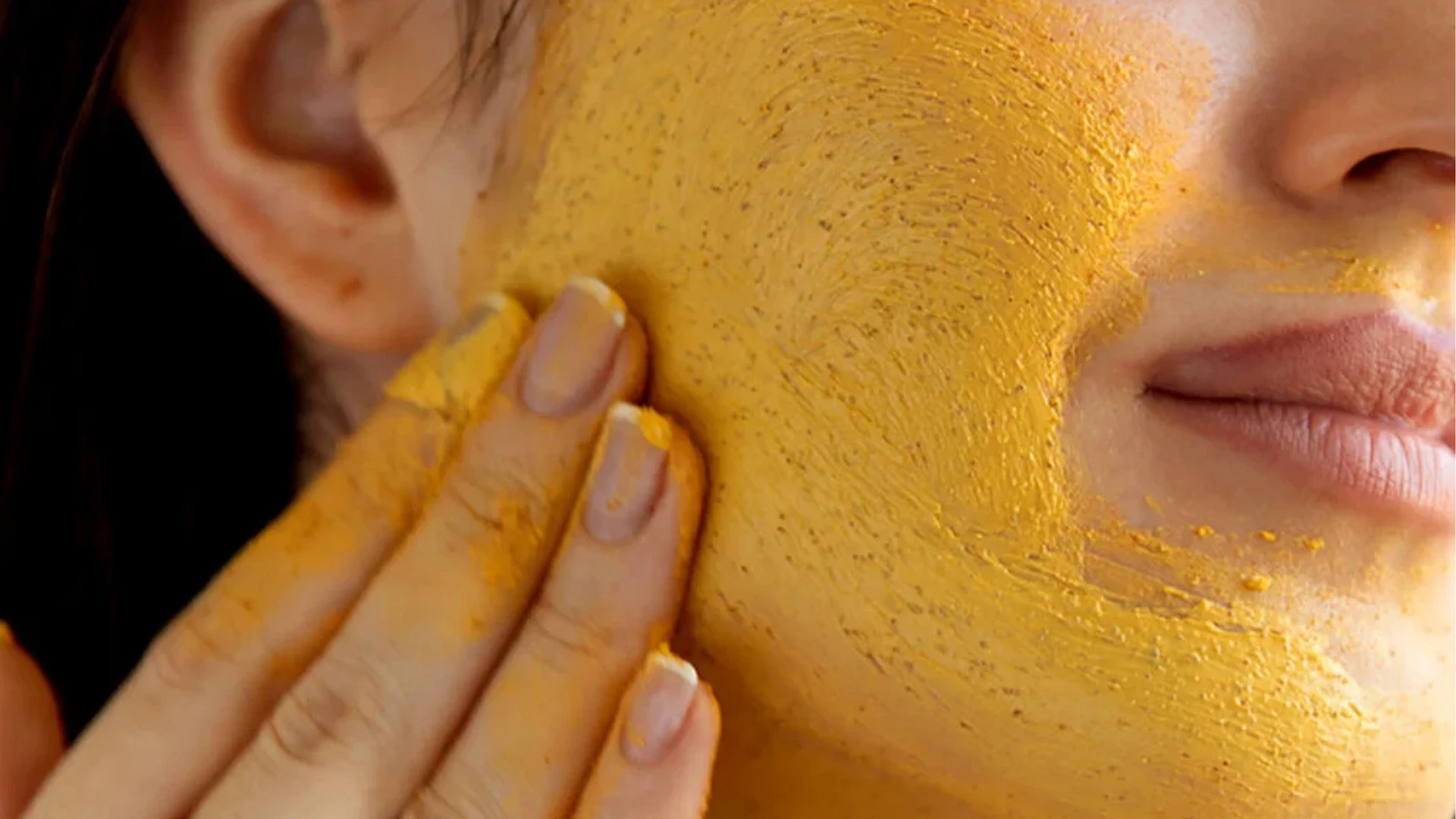
Natural hyperpigmentation remedies offer a gentler approach with fewer side effects, though they typically require more patience. These methods work by gradually inhibiting melanin production and promoting healthy cell turnover.
Vitamin C, niacinamide, alpha arbutin, and azelaic acid are proven natural ingredients that can effectively fade hyperpigmentation. These ingredients are generally well-tolerated and suitable for long-term use.
Natural remedies typically show initial improvements after 8-12 weeks of consistent use, with significant results visible after 16-24 weeks. Patience and consistency are key to success with natural approaches.
Layering compatible natural ingredients can enhance effectiveness. For example, using vitamin C in the morning and niacinamide at night can provide comprehensive pigmentation control.
When comparing professional treatments to natural remedies, speed is the most significant difference. Professional treatments can improve uneven skin tone in weeks, while natural methods require months of consistent application.
Chemical peels and laser treatments can show 30-50% improvement in 2-6 weeks. Prescription topicals typically deliver 40-60% improvement in 8-12 weeks with proper use.
Natural ingredients typically show 20-30% improvement after 12 weeks and 40-50% improvement after 24 weeks. The gentler approach means slower but steadier progress.
Skin type, pigmentation depth, age of the spots, and consistency of application all impact how quickly you'll see results. Newer, surface-level pigmentation responds faster than deep, established spots.
Hyperpigmentation prevention is often more effective than treatment, especially for those prone to recurring dark spots. Prevention strategies focus on protecting existing skin and preventing new pigmentation from forming.
Broad-spectrum SPF 30+ sunscreen is non-negotiable for preventing new dark spots and protecting treated areas. Reapplication every 2-3 hours is essential for maximum protection.
Gentle cleansing, regular exfoliation, and consistent use of antioxidants can prevent inflammation that leads to PIH. These skin brightening tips form the foundation of any effective routine.
Stress management, adequate sleep, and a diet rich in antioxidants support overall skin health and can reduce the likelihood of developing new pigmentation.
The best approach often combines elements of both professional and natural treatments based on your specific needs, timeline, and budget. Creating a personalized plan ensures you get the most effective results for your situation.
Mild pigmentation may respond well to natural ingredients alone, while severe or deep pigmentation might require professional intervention followed by natural maintenance.
Natural remedies cost ₹500-₹2,000 monthly, while professional treatments range from ₹5,000-₹25,000 per session. Consider your budget alongside your timeline expectations.
You can often combine professional treatments with natural maintenance routines. Start with one approach and gradually introduce additional methods under professional guidance.
Professional chemical peels and laser treatments offer the fastest results, typically showing 30-50% improvement within 2-6 weeks. Clinical-strength topicals with ingredients like hydroquinone can show results in 4-8 weeks.
While significant improvement is possible, complete permanent removal depends on the type and depth of pigmentation. Most people can achieve 70-90% improvement with proper treatment and maintenance.
Natural ingredients typically show initial improvements after 8-12 weeks of consistent use, with significant results visible after 16-24 weeks. Patience and consistency are essential for success.
Indian skin often responds well to gentle, consistent approaches using natural ingredients like vitamin C, niacinamide, and kojic acid. Professional treatments should be approached cautiously to avoid post-inflammatory hyperpigmentation.
Yes, many people successfully combine professional treatments for initial improvement with natural ingredients for maintenance. Always consult a dermatologist before combining treatments to avoid irritation.
The choice between professional treatments and natural remedies ultimately depends on your timeline, budget, and skin sensitivity. Professional treatments offer faster results but require higher investment and carry more risk of side effects. Natural remedies provide gentler, more affordable options but require patience and consistency. The most effective approach often combines both methods: professional treatments for initial improvement followed by natural ingredients for long-term maintenance. Remember that prevention through daily sun protection and gentle skincare is always more effective than treatment alone.
