


How to Treat Acne Pores: A Complete Guide
Your Cart
0You May Also Like
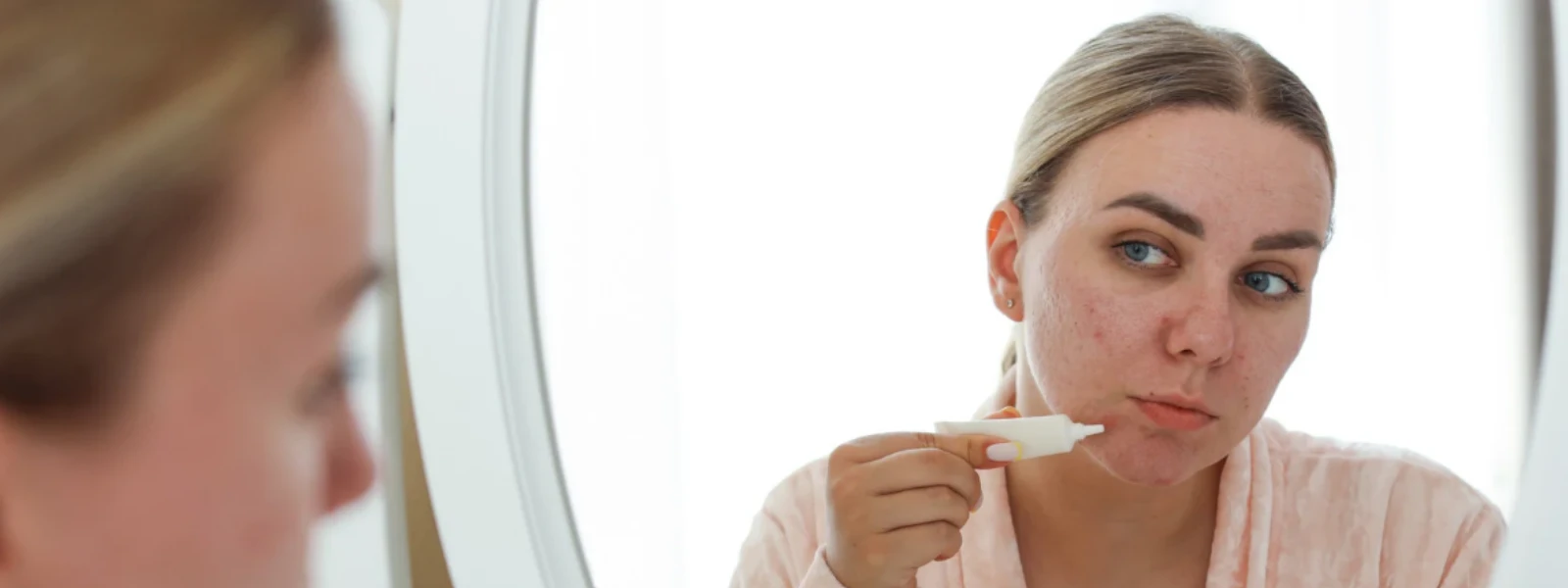
Dealing with acne pores can feel overwhelming, especially when you're trying to figure out what works for your skin. These stubborn spots on your face aren't just about appearance—they're often a sign that your skin needs some extra care and attention. Whether you're dealing with blackheads, whiteheads, or enlarged pores left behind after breakouts, understanding how to treat acne pores effectively can transform your skin health. The good news? With the right approach combining gentle care, consistent routines, and proven ingredients, you can see real improvements in your skin's texture and clarity.
Acne pores form when your hair follicles become clogged with oil, dead skin cells, and bacteria. Think of your pores as tiny tunnels in your skin—when these tunnels get blocked, they create the perfect environment for acne to develop. Your skin naturally produces oil to keep itself healthy, but sometimes this process goes into overdrive.
There are several types of acne that affect your pores, each requiring different treatment approaches. Blackhead removal targets open comedones where the clog reaches the surface and oxidizes, turning dark. Whiteheads are closed comedones that stay beneath the skin's surface, appearing as small white bumps.
Several factors contribute to acne pore formation. Excess oil production often runs in families, making some people more prone to clogged pores. Dead skin cells that don't shed properly can mix with this oil, creating plugs. Hormonal changes, especially during teenage years or menstrual cycles, can trigger increased oil production.
Skin inflammation plays a major role in making pores appear larger. When acne develops, the surrounding skin becomes inflamed and swollen. This stretches the pore opening, and over time, repeated inflammation can cause pores to lose their elasticity, making them appear permanently enlarged.
Professional acne treatment offers powerful solutions that work faster than home remedies alone. Dermatologists have access to stronger ingredients and advanced techniques that can address both active acne and the pore concerns that follow.
Chemical peels represent one of the most effective professional treatments for acne pores. These controlled exfoliation methods remove damaged skin layers, revealing smoother skin underneath. Salicylic acid peels work particularly well for acne-prone skin because they can penetrate oil-filled pores.
Laser treatments and microneedling have revolutionized pore minimizing approaches. These procedures stimulate collagen production, helping to tighten and refine pore appearance over time. Professional whitehead extraction ensures safe removal without damaging surrounding skin.
Retinoids remain the gold standard for acne treatment. These vitamin A derivatives speed up cell turnover, preventing pores from becoming clogged. Prescription-strength retinoids work more effectively than over-the-counter options, though they require careful introduction to avoid irritation.
Building an effective skin care routine forms the foundation of any successful acne pore treatment plan. Consistency matters more than using expensive products—your skin responds better to gentle, regular care than harsh, sporadic treatments.
Your morning routine should focus on gentle cleansing and protection. Start with a mild facial cleanser that removes overnight oil buildup without stripping your skin. Follow with a lightweight moisturizer and always finish with sunscreen to prevent further pore damage.
Evening routines allow for more intensive pore cleansing treatments. Double cleansing—first with an oil-based cleanser, then with a water-based one—effectively removes makeup, sunscreen, and daily pollutants that can clog pores. This method ensures your active treatments can penetrate properly.
Apply products from thinnest to thickest consistency. Start with toners or essences, follow with serums containing active ingredients, then moisturizer. This layering approach maximizes ingredient absorption while maintaining your skin's moisture barrier.
Natural remedies can complement your regular skincare routine, though they work more slowly than professional treatments. These gentle approaches help maintain skin health between professional visits and can be particularly helpful for sensitive skin types.
Clay masks excel at absorbing excess oil and providing temporary blemish control. Bentonite and kaolin clays work particularly well for acne-prone skin. Use these masks once or twice weekly to avoid over-drying your skin.
Steam helps soften the contents of clogged pores, making them easier to clear. Hold your face over a bowl of hot water for 5-10 minutes, then gently cleanse. This method works best when followed by a clay mask or gentle exfoliation.
Ice provides immediate but temporary pore tightening. Wrap ice cubes in a clean cloth and gently press against clean skin for 30-60 seconds. This technique works well before important events when you need quick pore minimizing effects.
Understanding active ingredients helps you choose products that actually work for your skin concerns. Salicylic acid stands out as one of the most effective ingredients for acne pores because it can penetrate oil and dissolve the bonds holding dead skin cells together.
Different exfoliation methods suit different skin types and concerns. Alpha hydroxy acids (AHAs) like glycolic acid work on the skin's surface, improving texture and brightness. Beta hydroxy acids (BHAs) like salicylic acid penetrate deeper into pores, making them ideal for acne-prone skin.
Niacinamide, a form of vitamin B3, offers multiple benefits for acne pores. It regulates oil production, reduces inflammation, and helps minimize the appearance of enlarged pores. This gentle ingredient works well for sensitive skin and can be used daily.
Many people with acne-prone skin skip moisturizer, thinking it will worsen their condition. However, dehydrated skin often produces more oil to compensate, leading to more clogged pores. Choose lightweight, non-comedogenic moisturizers that hydrate without clogging pores.
Prevention strategies focus on maintaining healthy skin function rather than just treating existing problems. Simple daily habits can significantly reduce your risk of developing new acne pores while supporting your skin's natural healing processes.
Choose makeup and skincare products labeled as non-comedogenic, meaning they won't clog pores. Clean your makeup brushes and phone screen regularly, as these items can harbor bacteria that contribute to breakouts. Change your pillowcase frequently to avoid transferring oils and bacteria to your face while sleeping.
While diet doesn't directly cause acne, certain foods may trigger breakouts in some people. High-glycemic foods and dairy products are common culprits. Staying hydrated helps your skin maintain its natural moisture balance, potentially reducing excess oil production.
Consistent care yields better results than intensive treatments followed by neglect. Establish a sustainable routine you can maintain long-term. Regular professional treatments, whether monthly facials or quarterly dermatologist visits, help maintain your progress.
Getting rid of acne pores requires a combination of consistent daily care and professional treatments. Start with a gentle cleansing routine using salicylic acid or benzoyl peroxide products. Professional treatments like chemical peels or laser therapy can provide faster, more dramatic results. The key is patience—most people see significant improvement within 6-12 weeks of consistent treatment.
Enlarged pores after acne result from inflammation and repeated stretching of the pore opening. When acne develops, surrounding skin becomes inflamed and swollen, stretching the pore. Over time, this repeated inflammation can cause pores to lose elasticity, making them appear permanently larger. Sun damage can worsen this effect by breaking down collagen around pores.
While you cannot permanently close pores (they're necessary for skin function), you can significantly minimize their appearance. Professional treatments like laser therapy and chemical peels can tighten pore appearance long-term. Consistent use of retinoids and regular exfoliation help maintain these results. The key is managing expectations—improvement is possible, but pores will always be visible to some degree.
Start with exfoliating 1-2 times per week and gradually increase frequency based on your skin's tolerance. Chemical exfoliants like salicylic acid are generally gentler than physical scrubs for acne-prone skin. Over-exfoliation can worsen acne by irritating skin and disrupting the moisture barrier, so listen to your skin and adjust accordingly.
Treating acne pores successfully requires understanding that this is a gradual process requiring patience and consistency. The most effective approach combines professional guidance with a well-designed daily routine using proven ingredients like salicylic acid, retinoids, and niacinamide. Remember that prevention plays just as important a role as treatment—protecting your skin from sun damage, maintaining proper hydration, and avoiding pore-clogging products helps maintain your results long-term.
Your skin is unique, and what works for others might need adjustment for your specific needs. Start with gentle products and gradually introduce stronger treatments as your skin builds tolerance. Most importantly, be patient with the process—real, lasting improvements in acne pores typically take several months of consistent care to achieve.
