


How to Stop Peeling Skin on Body: A Step-by-Step Guide
Your Cart
0You May Also Like
Your skin sheds. Every single day, quietly, without you noticing. But sometimes it gets louder — patches of dry flaky skin on your body, skin shedding on arms, that tight uncomfortable feeling after a shower. If you're trying to figure out how to stop peeling skin on your body, you're not alone. Peeling isn't always a sign that something is seriously wrong. More often, it's your skin telling you it needs a little more attention than it's been getting. Understanding your skin type is the first step to figuring out why it's peeling and what will actually help — not just temporarily, but consistently. At Asaya, where the focus is on melanin-rich skin and body care that works with your skin rather than against it, that starts with knowing what you're dealing with.
TL;DR
Peeling skin on the body is usually caused by dryness, sun damage, or a disrupted skin barrier — and your skin type determines which fix works best for you.
The right combination of gentle exfoliation and deep hydration can stop the cycle of dry flaky skin on your body without making things worse.
Knowing your skin type helps you pick the right products and routine so you're not guessing every time your skin acts up.
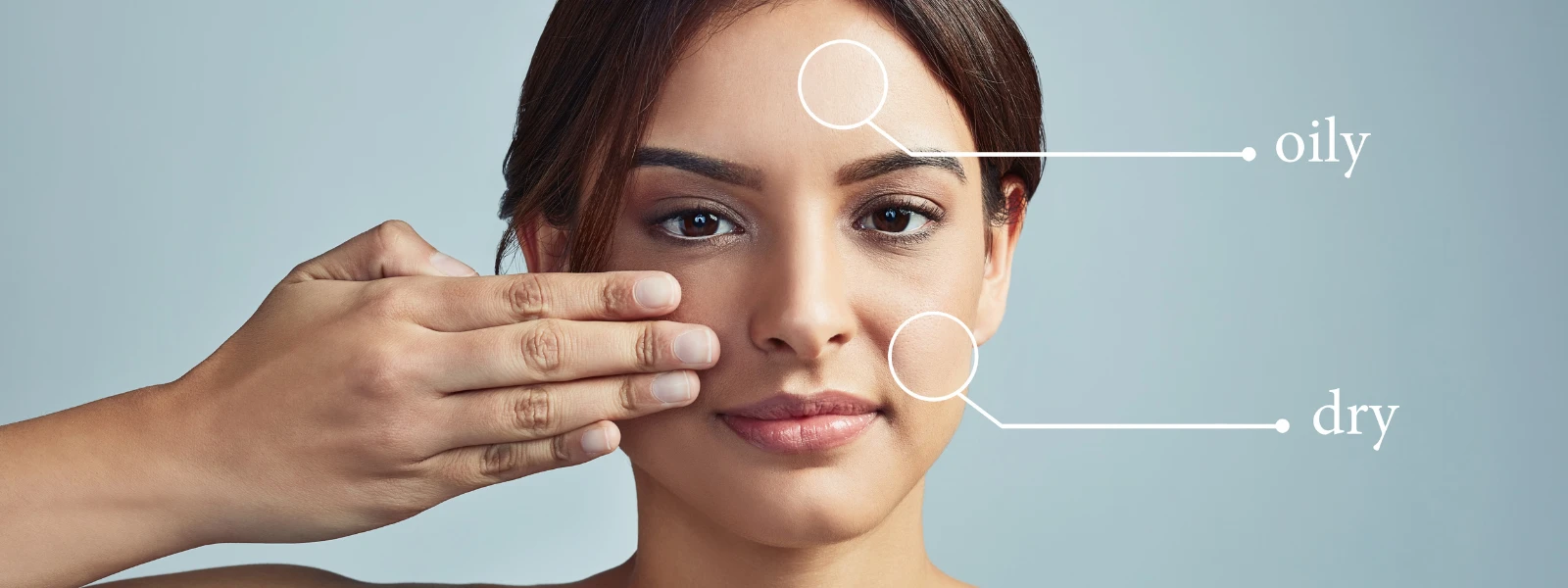
Skin peeling is basically your body's way of getting rid of old, damaged, or dead skin cells. It's a natural process. But when it becomes visible — flaking on your arms, peeling after sunburn, rough patches that won't go away — something in that process has gone off track. The causes of peeling skin vary, but the most common ones are dryness, sun exposure, irritation, or a compromised skin barrier. Dry skin types are more prone to flaking because they produce less natural oil to keep the surface supple. Oily and combination skin types can also experience peeling — usually from over-exfoliation or using products that strip the skin. Sensitive skin types are especially vulnerable to irritation-triggered peeling, and knowing which category you fall into changes everything about how you treat it.
If your skin feels tight after washing, looks dull, and tends to flake — especially in winter or air-conditioned spaces — you likely have dry skin. Dry flaky skin on the body is the most common complaint in this group. The fix isn't just moisturizer; it's the right moisturizer applied at the right time (right after a shower, while skin is still slightly damp).
Oily skin peeling might sound contradictory, but it happens — usually when the skin barrier gets disrupted by harsh cleansers or over-exfoliation. Combination skin types often experience peeling in drier zones (like the arms or shins) while the face stays oily. The approach here is gentler: hydrate without clogging, and exfoliate without stripping.
Sensitive skin reacts to almost everything — fragrance, heat, certain actives, even fabric. Itchy peeling skin relief for sensitive types means going slow, using fewer products, and prioritizing barrier repair above everything else.
The instinct when skin is peeling is often to scrub it off. That's understandable — but it's usually the wrong move, especially if your skin is already irritated or sunburned. Skin peeling after sunburn, for example, needs gentle handling, not aggressive exfoliation. Here's a more useful way to think about it: treat the cause, not just the symptom. Body skin peeling remedies that actually work address both the surface buildup and the underlying barrier disruption at the same time.
Dead skin buildup is a real contributor to that rough, uneven texture. But the key word is gentle. Harsh scrubs with large grit particles can create micro-tears and worsen peeling. Enzyme-based exfoliants work by breaking down keratin proteins in dead skin cells, while AHAs dissolve the bonds that hold those cells together — both are gentler than physical scrubbing and less likely to cause irritation.
The Asaya Fresh Start Smoothening Scrub is a good example of how exfoliation can work without the harshness. It uses Papaya and Pomegranate enzymes alongside AHAs and BHAs to lift dead skin through a cream-to-peel texture — no gritty scrubbing required. It's suitable for oily, combination, sensitive, and acne-prone skin, and works well 2–3 times a week as part of a body skin peeling remedy routine. If you've been dealing with rough texture or skin shedding on arms, this kind of triple enzyme and acid approach is worth trying before reaching for anything more aggressive.
Hydration is non-negotiable when skin is peeling. But not all moisturizers are equal. For the body, you want something that absorbs well, doesn't leave a greasy film, and actually repairs the barrier rather than just sitting on top of it. Ingredients like Mango Butter, Vitamin E, and Alpha Arbutin do more than hydrate — they nourish and, in the case of Alpha Arbutin, help with any post-peeling pigmentation that tends to linger on melanin-rich skin.
The Asaya Lush Hand Cream combines Alpha Arbutin, Vitamin E, and Mango Butter in a fast-absorbing, non-greasy formula that works well for dry hands and areas prone to peeling. It's available in six fragrance variants and is particularly useful in winter or whenever your hands and arms feel rough and depleted. If hand pigmentation is also a concern alongside dryness, this one addresses both without needing a separate product.
Once peeling settles, it often leaves behind uneven tone or darkened patches — especially on melanin-rich skin, where post-inflammatory pigmentation tends to be more pronounced. If your skin type is oily or combination and you're dealing with peeling alongside enlarged pores or post-acne marks on the face, the Asaya 10% Niacinamide and 1% Alpha Arbutin Serum for Open Pores can be a useful addition to your facial routine. It controls excess sebum, minimizes the appearance of pores, and helps fade post-acne marks in a lightweight texture that doesn't feel heavy on skin that's already stressed. For body-specific pigmentation concerns, pairing consistent moisturization with a targeted pigmentation approach — like Asaya's MelaMe™ Complex — is what helps even things out over time.
A hydrating body care routine doesn't need to be complicated. For most skin types dealing with peeling, three steps cover it: cleanse gently, exfoliate 2–3 times a week, and moisturize immediately after every shower. The order matters. Exfoliating before moisturizing means the hydration goes into freshly cleared skin, not a layer of dead cells.
If you're dealing with skin peeling after sunburn specifically, skip exfoliation entirely until the skin has healed. Focus on cooling, hydrating, and protecting. Once the peeling has settled, you can reintroduce gentle exfoliation to help even out any texture left behind.
Not usually. Most cases of peeling skin on the body are caused by dryness, sun exposure, or a disrupted skin barrier — all of which respond well to consistent hydration and gentle exfoliation. If peeling is severe, widespread, or accompanied by pain or fever, it's worth checking with a doctor.
2–3 times a week is a good starting point for most skin types. If your skin is very dry or sensitive, once a week is enough. Over-exfoliating can worsen peeling by stripping the skin barrier, so less is often more when you're starting out.
Yes, depending on what's causing the peeling. The Asaya Fresh Start Smoothening Scrub works well for dead skin buildup and rough texture, while the Asaya Lush Hand Cream helps with dryness and pigmentation on hands and arms. For face-related peeling linked to oily or acne-prone skin, the Asaya 10% Niacinamide and 1% Alpha Arbutin Serum for Open Pores helps stabilize the skin and reduce post-peeling marks over time.
Cool water, a fragrance-free moisturizer, and avoiding anything that could further irritate the skin — harsh soaps, hot showers, rough towels. If the itch is intense or the skin looks inflamed, a dermatologist visit is the right call.
You can get meaningful relief quickly, but full recovery takes consistency. Rinsing with cool water and applying a fast-absorbing moisturizer like the Asaya Lush Hand Cream can ease tightness and discomfort almost immediately. Visible improvement in texture and peeling typically follows over several days with a regular routine of gentle exfoliation and hydration — overnight fixes are rarely realistic, but the right steps do work faster than most people expect.
Yes — deficiencies in Vitamin B3 (Niacinamide), Vitamin A, and Vitamin C are known contributors to skin barrier disruption, which can lead to peeling and flaking. These vitamins play key roles in maintaining the skin's protective function and supporting cell turnover. If deficiency is suspected, addressing it through diet or supplementation alongside a barrier-repair skincare routine is the most effective approach.
The best starting point is identifying your skin type and the likely cause — dryness, sun exposure, or a disrupted barrier. From there, a simple routine of gentle exfoliation 2–3 times a week and consistent moisturization right after showering covers most cases of how to stop peeling skin on the body effectively.
Peeling skin is frustrating, but it's also fixable. The key is understanding your skin type first — because what works for dry skin won't necessarily work for oily or sensitive skin, and using the wrong approach can make things worse before they get better. Gentle exfoliation, consistent hydration, and a routine that respects your skin's current state are the three things that make the biggest difference.
If pigmentation is part of the picture — dark spots or uneven tone left behind after peeling or breakouts — that's where targeted ingredients matter. Asaya's MelaMe™ Complex is worth knowing about here. It's a melanin-first molecule designed specifically for melanin-rich skin, and it works by breaking down excess melanin deposits into re-absorbable amino acids while also inhibiting further excess melanin production. In clinical testing, most people see visible fading within 2 weeks of consistent use. For skin that's been through repeated cycles of peeling, sun damage, or post-acne marks, that kind of targeted approach to pigmentation — alongside a solid hydration routine — is what actually moves the needle.
Start with understanding your skin type. Build from there. Your skin doesn't need a dramatic overhaul — just the right attention, consistently.
