


How to Minimize Open Pores for Smoother Skin Texture
Your Cart
0You May Also Like
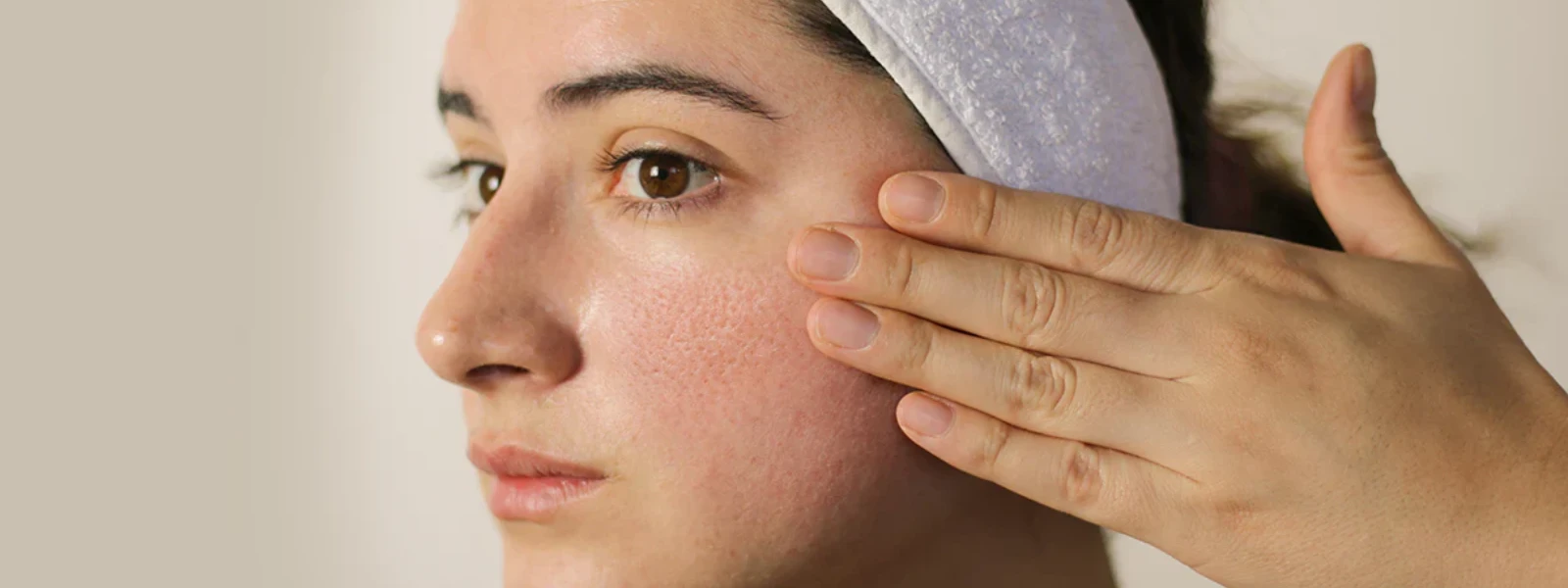
Large, visible pores can feel like an unwelcome spotlight on your face, making you second-guess every selfie and close conversation. If you've ever wondered how to minimize open pores, you're definitely not alone. The truth is, while you can't permanently shrink your pores (they're not muscles that can contract), you absolutely can make them appear significantly smaller and improve your overall skin texture. The secret lies in understanding what makes pores look enlarged and implementing a strategic approach that combines daily skincare habits with targeted treatments. Let's dive into the science-backed methods that actually work for achieving that smooth, refined complexion you've been dreaming of.
Before jumping into solutions, it's crucial to understand what we're actually dealing with. Pores are tiny openings in your skin that house hair follicles and sebaceous glands. Everyone has them, and their size is largely determined by genetics. However, several factors can make your pores appear more prominent than they naturally are.
The main culprits behind enlarged-looking pores include excess oil production, which can stretch the pore opening over time. When sebum mixes with dead skin cells and environmental pollutants, it creates a plug that makes pores appear darker and more noticeable. Additionally, as we age, our skin loses collagen and elasticity, causing the tissue around pores to sag slightly, making them look bigger.
Here's the game-changer: while you can't actually change your pore size, you can dramatically improve how they look. Clean, unclogged pores appear much smaller than congested ones. When you focus on keeping pores clear and maintaining skin firmness, the visual difference can be remarkable.
Consistency is your best friend when it comes to large pores treatment. A well-structured daily routine can work wonders for improving skin texture and making pores less noticeable. The key is using the right products in the correct order.
Start your day with a gentle, non-comedogenic cleanser that removes overnight oil buildup without stripping your skin. Follow with a niacinamide serum, which helps regulate oil production and can improve skin elasticity over time. Apply a lightweight, oil-free moisturizer to maintain hydration without clogging pores. Never skip broad-spectrum sunscreen with at least SPF 30, as sun damage breaks down collagen and makes pores more visible.
Evenings are perfect for more intensive pore cleansing. Use the double cleansing method: start with an oil-based cleanser to dissolve makeup and sunscreen, then follow with a water-based cleanser for deep cleaning. Incorporate chemical exfoliation with salicylic acid (BHA) or glycolic acid (AHA) 2-3 times per week. These ingredients penetrate pores and help dissolve the buildup that makes them look enlarged.
Not all skincare ingredients are created equal when it comes to minimizing pore appearance. Some actives have proven track records for improving skin texture and reducing the visibility of pores.
Niacinamide is a true multitasker that regulates oil production and improves skin elasticity. Salicylic acid penetrates deep into pores to clear out congestion and prevent future blockages. Retinoids boost collagen production and accelerate cell turnover, helping to firm the skin around pores. Alpha hydroxy acids like glycolic acid provide surface exfoliation that smooths texture and makes pores less noticeable.
Always choose non-comedogenic formulations that won't clog your pores. For oily skin, oil-free products are typically best, while those with normal to dry skin can benefit from lightweight, hydrating formulas. Start with lower concentrations of active ingredients and gradually increase to avoid irritation.
While professional treatments and targeted products are highly effective, several natural approaches can complement your routine and provide additional benefits for pore minimization.
Aloe vera gel provides hydration while temporarily tightening the skin, making pores less visible. Green tea works as an antioxidant-rich toner that can help reduce inflammation and oil production. A honey and oatmeal mask offers gentle exfoliation while providing moisture. Ice cube massage can temporarily constrict pores, though this effect is short-lived.
Clay masks, particularly those containing multani mitti (fuller's earth), can absorb excess oil and temporarily tighten the appearance of pores. Use these treatments once or twice weekly to avoid over-drying your skin.
When at-home care reaches its limits, professional treatments can provide more dramatic results for large pores treatment. These procedures work by stimulating collagen production and providing deeper exfoliation than what's possible at home.
Chemical peels offer professional-grade exfoliation that can significantly improve skin texture. Microneedling stimulates collagen production, helping to firm the skin around pores. Laser treatments provide deep skin remodeling for long-term texture improvement. HydraFacials combine deep cleansing with extraction for immediate pore-clearing results.
Professional treatments typically range from ₹3,000 to ₹15,000 per session, depending on the procedure and location. While more expensive upfront, they can provide faster and more dramatic results than at-home treatments alone.
Sometimes, well-intentioned skincare habits can actually make pores look larger. Avoiding these common pitfalls is just as important as following the right routine.
Over-cleansing and harsh scrubbing can irritate skin and stimulate more oil production. Skipping moisturizer on oily skin often backfires, as dehydrated skin produces more oil to compensate. Using comedogenic products can clog pores and make them appear larger. Inconsistent sunscreen use allows UV damage to break down collagen over time.
High-glycemic foods and dairy can potentially worsen oil production in some people. Chronic stress increases cortisol levels, which can stimulate sebaceous glands. Poor sleep quality affects skin repair processes, while lack of environmental protection exposes skin to pore-enlarging pollutants.
No, ice only provides temporary pore constriction that lasts a few hours at most. While it can give you a quick smoothing effect for photos or events, it doesn't create lasting changes to pore size or appearance.
Most people notice initial improvements in skin texture within 2-4 weeks of consistent use. However, significant pore appearance reduction typically takes 6-12 weeks of regular treatment with appropriate products.
While no single vitamin deficiency directly causes enlarged pores, inadequate vitamin C can affect collagen production, and insufficient vitamin A may impact skin cell turnover, both of which can influence pore appearance.
Not necessarily. Many affordable products with proven ingredients like salicylic acid and niacinamide can be just as effective as expensive alternatives. The key is consistency and choosing products with appropriate active concentrations for your skin type.
Minimizing the appearance of open pores requires a multi-faceted approach combining daily skincare consistency with targeted treatments. Remember that while you can't change your actual pore size, you can dramatically improve how they look through proper cleansing, regular exfoliation, and skin-firming ingredients. Start with one or two new techniques and build your routine gradually. With patience and the right approach, smoother, more refined skin texture is absolutely achievable. Focus on keeping pores clean and maintaining skin health rather than pursuing perfection, and you'll see meaningful improvements in your complexion over time.
