


How to Choose Sunscreen for Dry Skin: A Guide
Your Cart
0You May Also Like
Finding the right sunscreen when you have dry skin can feel like solving a puzzle. You need protection from harmful UV rays, but many sunscreens can make your skin feel even drier and more uncomfortable. The truth is, dry skin requires special consideration when choosing sun protection. Your skin barrier is already compromised, making it more vulnerable to irritation and moisture loss. The good news? With the right knowledge, you can find a sunscreen that protects and nourishes your skin at the same time. Let's explore why dry skin sunscreen needs differ from other skin types and how to make the best choice for your unique needs.
Dry skin faces unique challenges when it comes to sun protection. Your skin's natural barrier function is already weakened, which means it loses moisture more easily and becomes irritated faster. When UV rays hit compromised skin, they can accelerate this moisture loss and cause even more damage. Many traditional sunscreens contain ingredients that can worsen dryness. Alcohol-based formulas, certain chemical filters, and even some mineral ingredients like zinc oxide can have mild astringent effects. This creates a frustrating cycle where the very product meant to protect your skin ends up making it feel tight and uncomfortable.
UV exposure breaks down the proteins and lipids that keep your skin barrier healthy. For dry skin types, this damage happens faster and heals slower. Your skin needs extra support to maintain its protective function while defending against sun damage.
Standard sunscreens often prioritize protection over comfort. They may contain drying alcohols, harsh preservatives, or textures that sit on top of skin rather than absorbing properly. This can leave your skin feeling parched and looking flaky.
The best sunscreen for dry skin does double duty as a moisturizer. Look for formulas that combine effective UV filters with proven hydrating ingredients. These multitasking products save time and ensure your skin gets the moisture it craves. Hydrating ingredients work by attracting and holding water in your skin. They create a protective film that prevents moisture loss while allowing your skin to breathe and function normally.
Hyaluronic acid holds up to 1,000 times its weight in water, making it perfect for plumping and hydrating dry skin. Squalane mimics your skin's natural oils without feeling heavy or greasy. Ceramides help rebuild your skin barrier, while glycerin draws moisture from the environment into your skin.
Mineral sunscreens with zinc oxide and titanium dioxide tend to be gentler on sensitive dry skin. These ingredients sit on top of your skin and reflect UV rays away, rather than absorbing into your skin like chemical filters do.
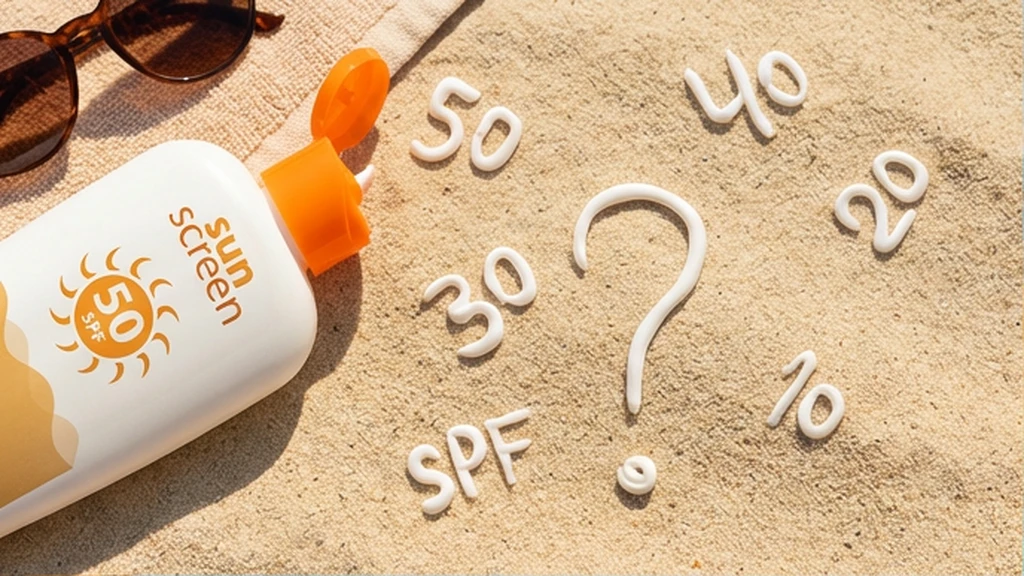
Choosing the right SPF level involves balancing protection with comfort. Higher SPF formulas often feel heavier and may contain more potentially drying ingredients. However, adequate protection is non-negotiable for maintaining healthy skin. SPF 30 blocks about 97% of UVB rays and is considered the minimum for daily protection. SPF 50 blocks about 98% of UVB rays and may be worth considering if you spend extended time outdoors or have very fair skin.
Look for sunscreens labeled "broad-spectrum" to ensure protection against both UVA and UVB rays. UVA rays penetrate deeper into skin and contribute to premature aging, while UVB rays cause burning. Both can worsen dry skin conditions.
For daily indoor activities with minimal sun exposure, a hydrating SPF 30 may be perfect. For beach days or outdoor sports, consider SPF 50 with water-resistant properties, but prioritize reapplication over higher numbers.
Not all dry skin is the same. Some people have naturally dry skin, while others experience dryness due to age, climate, or skincare products. Understanding your specific type of dryness helps you choose the most effective sunscreen formula. Sensitive dry skin requires extra gentle formulations free from fragrances, dyes, and common irritants. If your skin reacts to many products, mineral sunscreens are usually the safest choice.
Facial skin is thinner and more sensitive than body skin. Look for lightweight, non-comedogenic formulas that won't clog pores or interfere with makeup. Body sunscreens can be richer and more emollient.
Humid climates may allow for lighter formulations, while dry or air-conditioned environments call for more intensive moisture. Consider your daily routine and choose a sunscreen that fits seamlessly into your lifestyle.
Proper application technique can make or break your sunscreen experience. Start with clean, slightly damp skin to help your products absorb better. Apply moisturizer first if your sunscreen isn't hydrating enough on its own, then wait a few minutes before applying sunscreen. Use about a quarter teaspoon of sunscreen for your face and neck. This might seem like a lot, but it's necessary for adequate protection. Blend gently in upward motions, paying special attention to often-missed areas like around your eyes and ears.
Reapply sunscreen every two hours, or more frequently if you're sweating or swimming. For dry skin, choose reapplication methods that add moisture rather than stripping it away. Cream or lotion formulas work better than sprays for maintaining hydration.
Avoid rubbing sunscreen too vigorously, which can irritate dry skin. Don't skip areas that feel sensitive or flaky – these spots need extra protection. Never apply sunscreen to broken or severely irritated skin without consulting a dermatologist first.
Your sunscreen may contain drying ingredients like alcohol or harsh preservatives. Some mineral filters can also have mild astringent effects. Switch to a formula specifically designed for dry or sensitive skin with added moisturizing ingredients.
It depends on your skin's needs and the sunscreen formula. Very dry skin usually benefits from a separate moisturizer under sunscreen, while mildly dry skin might do well with a rich, moisturizing sunscreen alone.
Hydrating sunscreens add water to your skin using ingredients like hyaluronic acid. Moisturizing sunscreens create a protective barrier to prevent water loss using oils and emollients. The best formulas do both.
Your skin should feel comfortable throughout the day without tightness, flaking, or irritation. You shouldn't need to reapply moisturizer over your sunscreen during normal daily activities.
Both approaches can work well. Separate products allow you to customize each step, while combination products are more convenient and ensure you don't skip sun protection. Choose based on your skin's needs and your routine preferences.
Choosing sunscreen for dry skin doesn't have to be complicated. Focus on formulas that combine effective UV protection with proven moisturizing ingredients. Look for gentle mineral filters, avoid drying alcohols, and don't be afraid to layer products if needed. Remember that the best sunscreen is the one you'll use consistently every day. Take time to find a formula that feels comfortable on your skin and fits into your routine. Your future self will thank you for the protection and care you provide today.
