


How to Address Uneven Skin Tone: Causes and Treatments
Your Cart
0You May Also Like
Dealing with uneven skin tone can feel overwhelming, especially when you're trying to figure out what's causing those stubborn dark spots, red patches, or areas of dullness. Whether it's post-acne marks that won't fade, sun damage from years of exposure, or hormonal changes creating new discoloration, understanding the root causes is your first step toward clearer, more radiant skin. The good news? With the right knowledge and consistent approach, you can address these concerns effectively and restore your skin's natural glow.
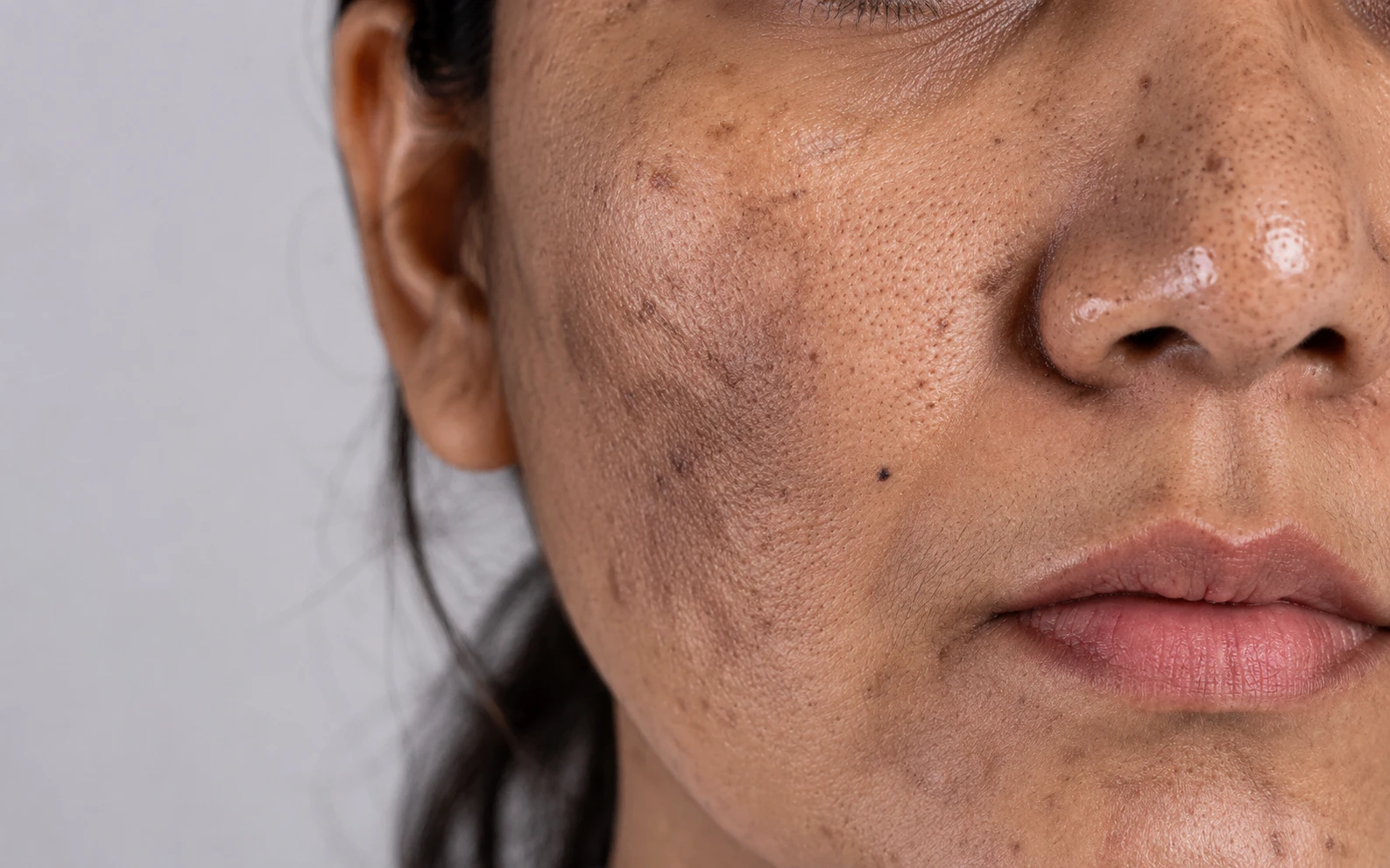
Uneven skin tone explained simply means areas of your skin appear darker, lighter, or redder than your natural complexion. This happens when melanin (the pigment that gives skin its color) gets produced unevenly or when inflammation affects certain areas. You might notice dark spots scattered across your cheeks, redness around your nose, or patches that look duller than the rest of your face.
Recognizing uneven skin tone is usually straightforward, but understanding the different types helps you choose the right treatment approach. Dark spots on skin often appear as small, concentrated areas of hyperpigmentation, while melasma creates larger patches typically on the forehead, cheeks, or upper lip.
Hyperpigmentation: Dark brown or black spots, patches, or areas
Redness on face: Pink or red patches from inflammation or broken capillaries
Dullness: Overall lack of radiance or ashy appearance
Texture irregularities: Rough patches that catch light differently
Understanding your specific type of discoloration helps target treatment more effectively. Hyperpigmentation causes range from sun exposure to hormonal fluctuations, each requiring slightly different approaches for optimal results.
Several factors contribute to uneven skin tone, and often multiple causes work together to create the discoloration you see. Identifying your primary triggers helps you prevent future issues while treating existing concerns. Let's explore the most common culprits behind skin tone irregularities.
UV rays are the leading cause of hyperpigmentation causes in Indian skin. When your skin detects UV damage, it produces extra melanin as protection, but this process often becomes uneven, creating sun spots and age spots that persist long after the initial exposure.
Pregnancy, birth control pills, and hormonal fluctuations can trigger melasma, creating symmetrical patches of darkening typically on the face. These hormonal changes make your skin more sensitive to UV exposure, often worsening existing discoloration.
When your skin experiences inflammation from acne, cuts, or irritation, the healing process can leave behind dark marks. This acne scars treatment concern is particularly common in Indian skin types, where even minor inflammation can trigger significant pigmentation.
Age naturally slows down cell turnover, allowing pigmented cells to accumulate on the surface longer. Environmental pollution, certain medications, and genetic predisposition also play roles in developing uneven skin tone over time.
When at-home treatments aren't providing the results you want, professional procedures can offer more dramatic improvements. Dermatologists have access to stronger treatments that can address stubborn pigmentation more effectively than over-the-counter options.
Chemical peels remove the top layers of skin, revealing fresher, more evenly toned skin underneath. Different peel strengths target various depths of pigmentation, from superficial dark spots to deeper melasma patches.
Laser treatments and Intense Pulsed Light (IPL) target pigmented cells specifically, breaking them down so your body can naturally eliminate them. These treatments require multiple sessions but can provide significant improvement for stubborn dark spots on skin.
Consider professional treatment if you've been consistent with at-home care for 3-4 months without seeing improvement, if your pigmentation is severe or covers large areas, or if you suspect melasma or other hormonal pigmentation.
Most people can achieve significant improvement with consistent at-home skin tone correction routines. The key is choosing the right ingredients and using them consistently over time. Building an effective routine doesn't require expensive products, but it does require patience and persistence.
Certain ingredients have proven track records for addressing pigmentation and promoting more even skin tone. Brightening skin ingredients work through different mechanisms, so combining them strategically can enhance results.
Vitamin C: Antioxidant that inhibits melanin production and protects against future damage
Niacinamide: Reduces inflammation and helps prevent pigment transfer to skin cells
Kojic Acid: Natural ingredient that inhibits tyrosinase, the enzyme responsible for melanin production
Alpha Arbutin: Gentle brightening ingredient that slowly releases hydroquinone
Retinol: Accelerates cell turnover, helping pigmented cells shed faster
Morning routines should focus on protection and gentle brightening, while evening routines can incorporate stronger active ingredients. Consistency matters more than using every possible ingredient at once.
While professional and cosmetic treatments are most effective, some natural ingredients can provide gentle support for dull skin solutions. Turmeric, lemon juice, and honey have mild brightening properties, though results are typically subtle and take longer to appear.
Preventing new pigmentation is often easier than treating existing discoloration. Once you understand what triggers your skin's pigmentation response, you can take steps to minimize future damage while treating current concerns.
Daily broad-spectrum SPF 30 or higher is non-negotiable for preventing and treating uneven skin tone. Reapply every two hours when outdoors, and consider additional protection like hats and sunglasses during peak UV hours.
Adequate sleep, stress management, and a diet rich in antioxidants support your skin's natural repair processes. Staying hydrated helps maintain healthy cell turnover, while managing stress reduces inflammation that can trigger pigmentation.
Understanding how long different treatments take helps you stay consistent and avoid switching products too quickly. Most skin discoloration treatment approaches require several weeks to months for visible improvement, depending on the severity and type of pigmentation.
Surface-level dark spots may start fading within 2-4 weeks of consistent treatment, while deeper pigmentation like melasma can take 3-6 months or longer. Professional treatments often show faster initial results but require multiple sessions.
Once you achieve your desired results, maintaining them requires ongoing sun protection and periodic use of brightening ingredients. Many people find success with a maintenance routine that's less intensive than their initial treatment phase.
Uneven skin tone results from irregular melanin production or distribution, typically caused by sun exposure, hormonal changes, inflammation from acne or injury, aging, and genetic factors. Indian skin is particularly prone to post-inflammatory hyperpigmentation.
Natural approaches include consistent sun protection, gentle exfoliation, vitamin C-rich foods, adequate hydration, and ingredients like turmeric or kojic acid. However, cosmetic treatments with proven ingredients typically provide faster, more dramatic results.
Some mild discoloration may fade naturally over 6-12 months as skin cells turnover, but most pigmentation requires active treatment. Without intervention, sun damage and age spots typically become more pronounced over time.
Avoid harsh scrubs, lemon juice applied directly to skin, and over-exfoliation, which can worsen pigmentation. Be cautious with hydroquinone without dermatologist supervision, and always patch-test new brightening ingredients.
Surface pigmentation may improve in 4-8 weeks with consistent treatment, while deeper discoloration can take 3-6 months. Professional treatments may show initial results faster but require multiple sessions for optimal outcomes.
Addressing uneven skin tone successfully requires understanding your specific type of discoloration and its underlying causes. Whether you're dealing with sun damage, hormonal pigmentation, or post-acne marks, consistent treatment with proven ingredients and diligent sun protection form the foundation of any effective approach. Remember that improvement takes time, typically several months for significant results, but with patience and the right strategy, you can achieve the clearer, more radiant complexion you're seeking. Start with gentle, consistent care and consider professional consultation for stubborn or extensive pigmentation concerns.
