


How to Achieve Normal Body Skin Without Heavy Creams
Your Cart
0You May Also Like
Your skin might be telling you something important if heavy creams feel too much, leave residue, or make you break out. Many people with normal body skin actually don't need the thick, occlusive moisturizers that dominate skincare aisles. Your skin has its own sophisticated hydration system, and sometimes the best approach is working with it rather than overwhelming it. Understanding how to achieve normal body skin without heavy creams starts with recognizing what your skin actually needs versus what beauty marketing tells you it needs.
Normal skin has a natural moisture barrier that often doesn't need heavy creams and can be maintained through gentle cleansing, proper hydration, and lightweight alternatives when needed.
Over-moisturizing can disrupt your skin's natural balance, leading to clogged pores, breakouts, or dependency on heavy products.
A minimalist approach focusing on internal hydration, gentle care, and targeted treatment works better for many people than layering thick creams.
Your skin produces its own moisturizing factors through sebaceous glands and natural lipid production. When this system works properly, you get that comfortable, balanced feeling without any products at all. Normal skin typically feels soft, looks even-toned, and doesn't get tight or oily throughout the day.
The key is recognizing when your skin is functioning normally versus when it actually needs help. If your skin feels comfortable after a shower without immediately reaching for lotion, that's a good sign your natural skin barrier is doing its job. Heavy creams can sometimes interfere with this process by creating a dependency where your skin stops producing its own oils efficiently.
Many people mistake temporary tightness after cleansing for genuine dryness. That feeling often comes from harsh soaps or over-washing, not from skin that needs heavy moisturization. When you switch to gentler cleansing and give your skin time to rebalance, you might find you need much less product than you thought.
A minimalist skincare routine for normal body skin focuses on not disrupting what's already working. Start with a gentle, pH-balanced cleanser that removes dirt and sweat without stripping natural oils. Look for cleansers with ingredients like glycerin or ceramides that clean while supporting your skin barrier.
Water temperature matters more than most people realize. Hot showers feel good but can strip your skin's protective oils, leaving it tight and dry. Lukewarm water cleans just as effectively while preserving your skin's natural moisture balance. Keep showers short, around 5-10 minutes, to prevent over-exposure to water and cleansing products.
For those moments when your skin does need extra help, lightweight alternatives work better than heavy creams. Look for water-based moisturizers, hydrating mists, or natural oils like jojoba or argan that absorb quickly without leaving residue.
Apply products to slightly damp skin to help with absorption and reduce the amount you need. This technique, called wet skin application, helps lock in the water your skin just absorbed while using minimal product.
The most effective way to maintain skin hydration without products starts from the inside. Drinking enough water supports your skin's natural moisture production, but it's not just about quantity. Consistent hydration throughout the day works better than chugging large amounts at once.
Your diet plays a bigger role in skin health than most topical products. Foods rich in omega-3 fatty acids, like walnuts and flax seeds, support your skin's lipid barrier. Fruits and vegetables high in water content, like cucumber and watermelon, provide hydration plus vitamins that support healthy skin naturally.
Sleep quality directly affects your skin's ability to repair and maintain its moisture barrier. During deep sleep, your skin increases blood flow and rebuilds collagen. Poor sleep disrupts this process, often leading to skin that feels dry or looks dull, making you think you need heavier products when you actually need better rest.
Humidity levels in your environment affect how much moisture your skin loses throughout the day. If you live in a dry climate or use heating and air conditioning frequently, a small humidifier can help maintain your skin's natural moisture balance for skin without adding products.
Cotton clothing allows your skin to breathe and doesn't trap moisture against your body the way synthetic fabrics can. This simple change can prevent the clogged pores and irritation that sometimes make people think they need heavier moisturizers.
Over-cleansing is one of the biggest barriers to achieving normal body skin without heavy creams. Washing more than once daily, using antibacterial soaps, or scrubbing with rough washcloths can damage your skin barrier and create the dryness you're trying to avoid.
Product layering often backfires for people with normal skin. Using a body wash, exfoliant, toner, serum, and heavy cream creates more problems than it solves. Each additional product increases the chance of irritation or clogged pores, especially if your skin was functioning fine with minimal intervention.
Seasonal routine changes should be subtle, not dramatic. Many people switch to much heavier products in winter when they might just need a slightly richer cleanser or an occasional light oil on particularly dry days. Your skin adapts to seasonal changes naturally if you don't overwhelm it with products.
If your skin consistently feels tight, looks flaky, or develops irritation despite gentle care, you might be dealing with a skin condition rather than normal dryness. Eczema, dermatitis, or hormonal changes can all affect your skin's natural moisture production and may need targeted treatment.
Sudden changes in your skin's behavior, especially if you've always had normal skin, warrant a dermatologist consultation. Sometimes underlying health conditions, medications, or hormonal shifts affect skin function in ways that require professional assessment.
Yes, if you have normal skin that produces adequate natural oils. Focus on gentle cleansing, proper hydration, and protecting your skin barrier. Many people find their skin actually improves when they stop using heavy daily moisturizers.
Most people see their skin rebalance within 2-4 weeks of switching to gentler care. Your skin needs time to resume its natural oil production if it's been dependent on heavy products.
Try cooler water, a gentler cleanser, and shorter showers first. If tightness persists, apply a light, water-based moisturizer to damp skin rather than reaching for heavy creams.
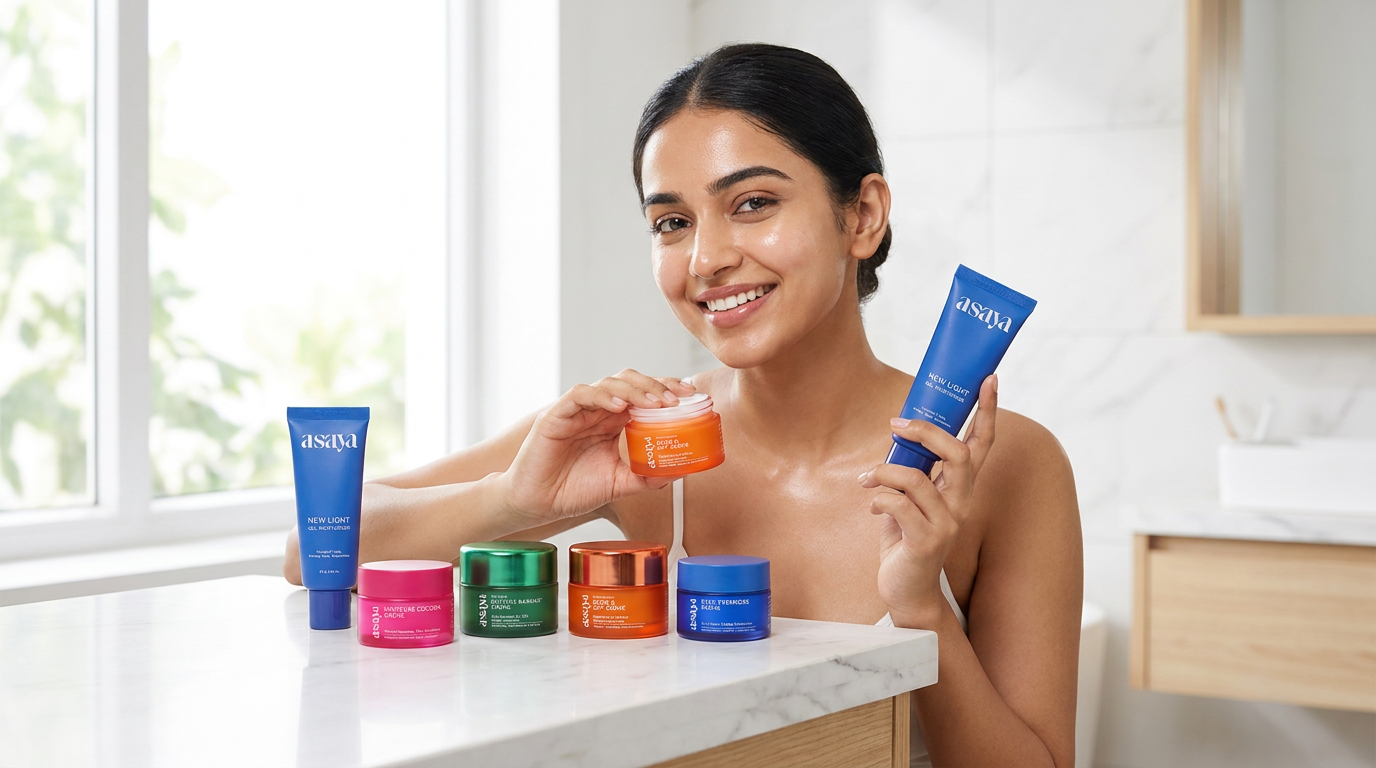
Asaya's formulations are designed to be effective without being heavy or overwhelming. The lightweight textures work well for people who want targeted results without disrupting their skin's natural balance.
Achieving normal body skin without heavy creams is absolutely possible for many people. Your skin's natural systems are more capable than most skincare marketing suggests. The key is supporting these systems rather than overwhelming them with products your skin doesn't actually need.
For those dealing with specific concerns like dark spots or uneven tone, targeted treatments work better than heavy, all-over moisturizers. Asaya's MelaMe™ Complex represents this focused approach perfectly. This melanin-first molecule has been designed to visibly treat discoloration and restore pigment balance in your skin within 2 weeks of regular use. It works on existing dark spots by breaking excess melanin deposits down into re-absorbable amino acids while inhibiting excess melanin production. This targeted approach means you can address specific skin concerns without disrupting your overall skin balance with heavy, unnecessary products.
