


Expert Insights: City Pollution's Varied Impact on Skin Types
Your Cart
0You May Also Like
Living in India's bustling cities means your skin faces a daily assault from pollution that goes far beyond what you can see. While we often think of pollution as a universal threat, the truth is that how does city pollution affect different skin types in different ways reveals a complex story of individual vulnerability. Your skin type determines not just how pollution penetrates your protective barrier, but also how your skin responds, repairs, and ages under constant environmental stress. Understanding these differences is the first step toward building a defense strategy that actually works for your unique skin needs.
Urban environments expose our skin to a cocktail of harmful particles that work together to break down our natural defenses. These environmental stressors on skin create a cascade of damage that starts the moment you step outside your door.
Particulate matter, especially PM2.5 and PM10, are small enough to penetrate deep into your skin's layers. These microscopic invaders trigger oxidative stress by generating free radicals that attack healthy skin cells. The process compromises your skin barrier pollution defense, making your skin more vulnerable to further damage and reducing its ability to retain moisture and repair itself naturally.
The pollution cocktail includes nitrogen dioxide from vehicle emissions, ground-level ozone, heavy metals like lead and mercury, and volatile organic compounds from industrial activities. City grime and skin health problems arise when these pollutants accumulate on your skin's surface, creating a film that clogs pores and prevents normal skin function.
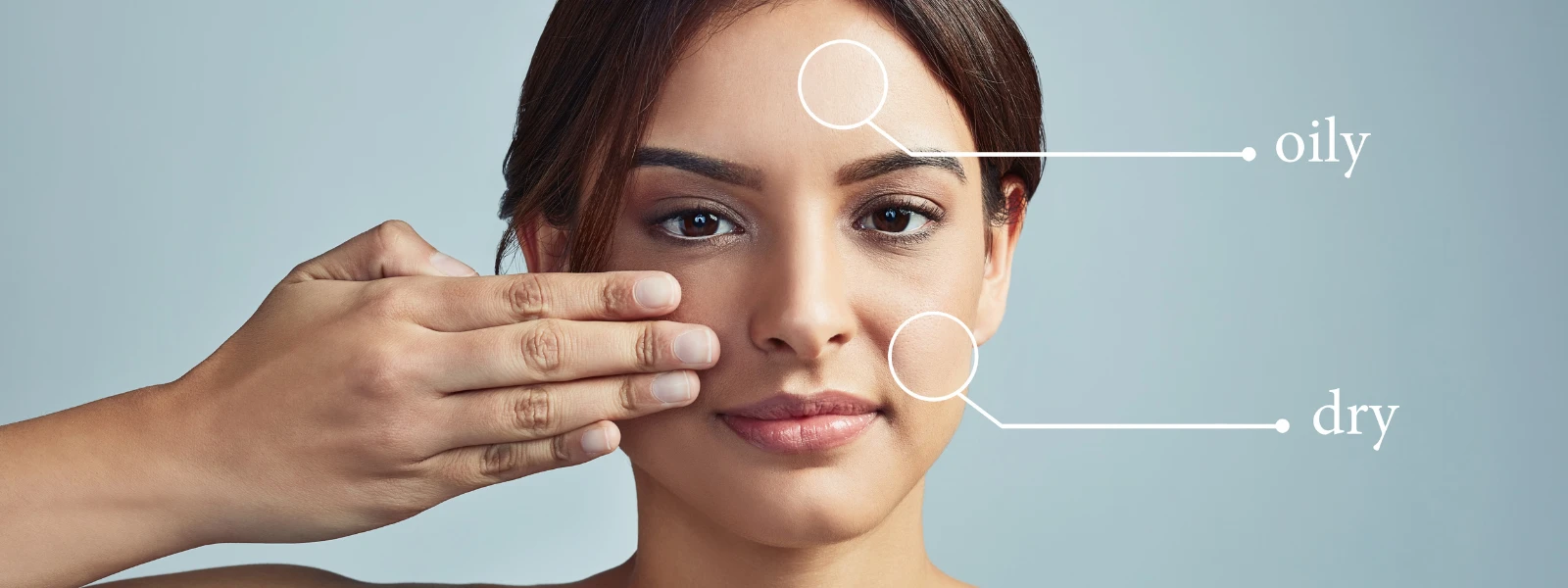
Oily skin faces a particularly challenging relationship with urban pollution. The excess sebum production that characterizes this skin type acts like a magnet for environmental pollutants, creating a perfect storm for skin problems.
The natural oils produced by sebaceous glands create a sticky surface that traps pollution particles more effectively than drier skin types. Enlarged pores, common in oily skin, provide additional spaces for particles to settle and accumulate. This creates the foundation for air pollution and acne connections that plague many urban dwellers.
The combination of excess oil and trapped pollutants leads to increased blackhead formation and comedone development. Inflammatory acne becomes more severe as pollution particles irritate already active sebaceous glands. The resulting inflammation often leads to post-inflammatory hyperpigmentation, creating dark spots that persist long after the initial breakout has healed.
Dry skin enters the pollution battle already compromised, with a weakened lipid barrier that provides less protection against environmental aggressors. This vulnerability makes pollution effects on dry skin particularly concerning for long-term skin health.
The compromised lipid barrier in dry skin allows pollutants to penetrate more easily and deeply. This increased permeability also leads to higher transepidermal water loss, making the skin even drier and more vulnerable to further pollution damage.
Understanding how pollution ages skin reveals why dry skin types often show premature aging signs in polluted environments. Pollution activates matrix metalloproteinases (MMPs) that break down collagen and elastin, the proteins responsible for skin firmness and elasticity. In dry skin, this process happens faster due to the already compromised barrier function.
Sensitive skin represents the most vulnerable category when it comes to pollution exposure. The pollution effects on sensitive skin extend beyond surface irritation to trigger systemic inflammatory responses that can affect overall skin health.
Sensitive skin typically has a compromised barrier function and heightened immune responses. This combination means that even small amounts of pollution can trigger significant inflammatory reactions, leading to redness, burning, and persistent irritation.
Sensitive skin exposed to urban pollution often develops or experiences worsening of conditions like atopic dermatitis, contact dermatitis, and rosacea. These conditions create a cycle where inflammation makes the skin more sensitive to pollution, which in turn triggers more inflammation.
Effective protecting skin from urban pollution requires understanding that one-size-fits-all approaches don't work. Each skin type needs tailored protection strategies that address its specific vulnerabilities while building overall resilience.
All skin types benefit from antioxidant-rich ingredients like vitamin C, vitamin E, and niacinamide that neutralize free radicals. Physical barriers through proper sunscreen use and thorough cleansing to remove accumulated pollutants form the foundation of any anti-pollution routine.
Oily skin needs deep cleansing products that can remove trapped pollutants without over-stripping natural oils. Dry skin requires intensive barrier repair through ceramides and hyaluronic acid, while sensitive skin benefits from gentle, hypoallergenic formulations that provide protection without triggering reactions.
Outdoor pollution accelerates skin aging through free radical generation that damages cellular structures and activates enzymes that break down collagen and elastin. This process leads to premature fine lines, wrinkles, and loss of skin firmness, with effects varying based on your skin type's natural protective abilities.
Yes, pollution can trigger various skin reactions including acne flare-ups, contact dermatitis, and worsening of existing conditions like eczema or psoriasis. Sensitive skin types are particularly prone to developing rashes and inflammatory responses when exposed to high levels of urban pollutants.
Effective pollution removal requires gentle but thorough cleansing using products appropriate for your skin type, followed by regular exfoliation to remove accumulated particles. The key is balancing thorough cleaning with maintaining your skin's natural protective barrier through proper moisturizing.
Environmental pollutants create oxidative stress and inflammation that disrupts the skin barrier's lipid structure and cellular integrity. This damage reduces the barrier's ability to protect against further environmental assault and maintain proper hydration levels, creating a cycle of increasing vulnerability.
Understanding how pollution affects your specific skin type empowers you to build a targeted defense strategy. While oily skin battles increased acne and blackheads, dry skin faces accelerated aging and barrier breakdown, and sensitive skin deals with heightened inflammatory responses. The key lies in recognizing these differences and adapting your skincare routine accordingly. Remember that consistent protection through appropriate cleansing, antioxidant use, and barrier support creates the foundation for healthy skin in any urban environment. Your skin type isn't a limitation—it's valuable information that helps you make smarter choices about protecting your skin's health and appearance for years to come.
