


Expert Insights: Building a Simple Skincare Routine for Sensitized Skin
Your Cart
0You May Also Like
If your skin reacts to almost everything you put on it, you're not alone. Sensitized skin affects millions of people, especially those living in urban environments with pollution, stress, and harsh weather conditions. Unlike naturally sensitive skin that you're born with, sensitized skin develops over time due to external factors and improper skincare choices. The good news? You can rebuild your skin's tolerance with the right approach. Learning how to build a simple skincare routine for sensitised skin that won't cause reactions is all about understanding your skin's current state and giving it exactly what it needs to heal.
Many people confuse sensitized skin with sensitive skin, but they're quite different. Sensitive skin is a genetic condition you're born with. Your skin naturally has a thinner barrier and reacts easily to common ingredients. Sensitized skin, on the other hand, is acquired sensitivity that develops when your skin barrier becomes compromised over time.
Common triggers that cause skin sensitization include over-exfoliation with harsh scrubs, using too many active ingredients at once, environmental pollution, extreme weather changes, and stress. Even switching between multiple skincare products too quickly can sensitize your skin. When your barrier is damaged, even gentle ingredients can cause stinging, burning, or redness.
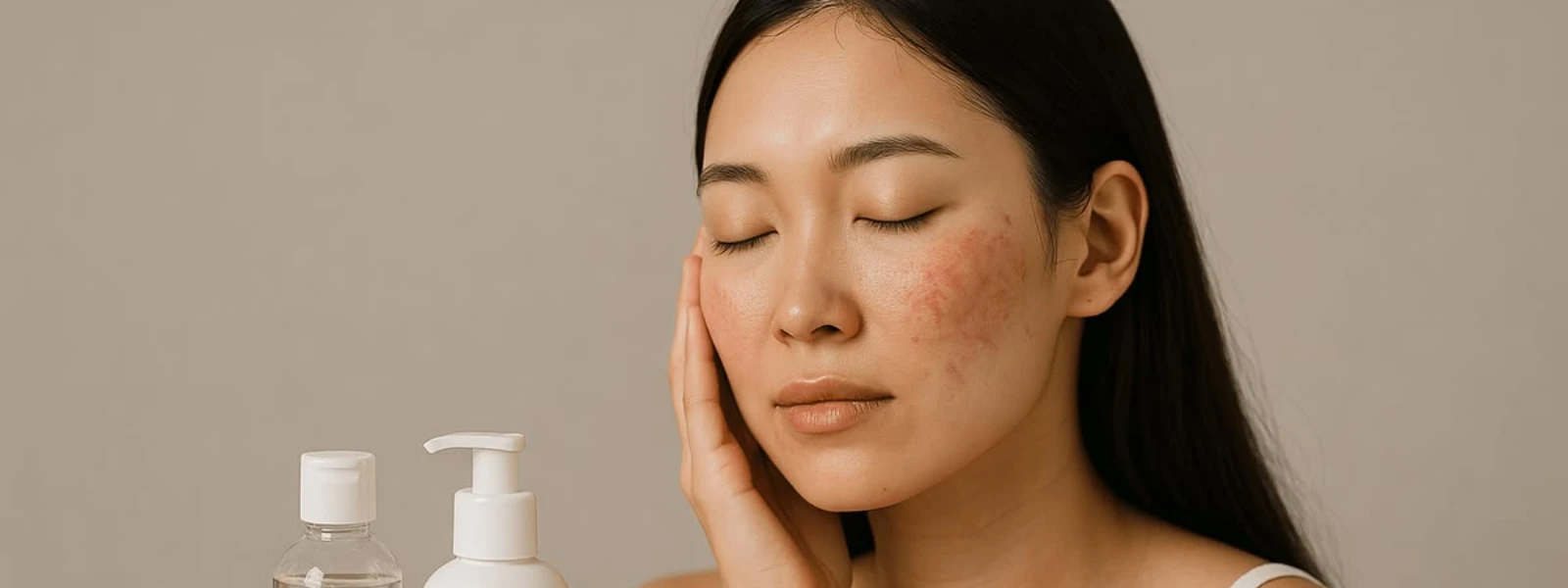
Signs your skin barrier is compromised include increased reactivity to products you used to tolerate, persistent redness or irritation, a tight or uncomfortable feeling after cleansing, and visible dryness or flaking. Your skin might also feel more sensitive to touch or temperature changes. This is your skin's way of telling you it needs basic skincare for compromised skin rather than complex routines.
Building a minimalist skincare for sensitized skin starts with just three essential steps. This isn't about cutting corners – it's about giving your skin space to heal while still providing necessary protection and hydration. Think of it as a reset button for your skin.
Your cleanser sets the tone for your entire routine. Cream cleansers work better than gel formulas for reactive skin because they're less likely to strip natural oils. Look for sulfate-free and soap-free formulations that clean without creating that tight, squeaky feeling.
If you wear makeup or sunscreen, double cleansing can be safe for sensitized skin when done gently. Use a cleansing oil or balm first, followed by your gentle cream cleanser. Keep water temperature lukewarm and pat your skin dry instead of rubbing with a towel.
Your moisturizer is the most important product in your routine right now. Look for ingredients like ceramides, which help rebuild your skin barrier, and niacinamide, which reduces inflammation and strengthens skin. Hyaluronic acid provides hydration without irritation, but apply it to slightly damp skin for best results.
Avoid moisturizers with fragrances, essential oils, or high concentrations of acids. Even natural ingredients like citrus extracts can be irritating when your barrier is compromised. Stick to products with 10 ingredients or fewer to minimize reaction risks.
Mineral sunscreens with zinc oxide or titanium dioxide are gentler than chemical sunscreens for sensitized skin. They sit on top of your skin rather than absorbing into it, reducing irritation potential. Look for SPF 30 or higher without added fragrances or alcohol.
If mineral sunscreens feel too heavy, try a gentle chemical sunscreen with newer, less irritating filters. Always apply sunscreen as your last step in the morning routine, and reapply every two hours when outdoors.
When choosing products for your hypoallergenic skincare routine, focus on science-backed calming skincare ingredients. Allantoin, derived from comfrey root, helps soothe irritation and promotes healing. Colloidal oatmeal creates a protective film on your skin while reducing inflammation. Centella asiatica, also known as cica, has been used for centuries to calm irritated skin.
Anti-inflammatory actives safe for sensitized skin include low concentrations of niacinamide (2-5%) and azelaic acid. These ingredients work gently to reduce redness and strengthen your skin barrier over time. Prebiotics and postbiotics support your skin's natural microbiome, which plays a crucial role in barrier function and overall skin health.
Avoid combining multiple active ingredients, especially acids and retinoids, until your skin barrier is fully restored. Even gentle actives can conflict when used together on compromised skin.
Creating a skincare routine for reactive skin requires patience and systematic introduction of products. Rushing this process often leads to setbacks and prolonged sensitization.
Patch test every new product on a small area of your inner arm for 24-48 hours before using it on your face. Even products labeled as gentle can cause reactions on sensitized skin. Introduce only one new product at a time, waiting at least a week between additions.
Watch for delayed reactions, which can occur up to 72 hours after first use. Signs include redness, itching, burning, or increased sensitivity in the test area.
Your morning routine should be: gentle cleanser (if needed), moisturizer, and sunscreen. Many people with sensitized skin can skip morning cleansing and just rinse with water. Your evening routine includes: gentle cleanser, moisturizer, and that's it.
Use each product consistently for at least two weeks before deciding if it works for you. Frequency matters too – you might need to moisturize twice daily but only cleanse once, depending on your skin's needs.
Once your skin tolerates the basic routine for 4-6 weeks, you might consider adding a gentle serum with hyaluronic acid or low-concentration niacinamide. Gentle exfoliation with a soft washcloth once weekly might be tolerated, but avoid chemical or physical exfoliants initially.
Seasonal adjustments might include switching to a heavier moisturizer in winter or a lighter formula in humid weather. Make these changes gradually and one at a time.
Reading ingredient labels becomes crucial when building fragrance-free skincare for sensitive skin routines. Fragrances can hide under names like parfum, essential oils, or even natural extracts like lavender or citrus. These can all trigger reactions in sensitized skin.
"Unscented" doesn't always mean fragrance-free – it might contain masking fragrances to cover up chemical odors. Look specifically for "fragrance-free" on labels. Essential oils, while natural, are concentrated plant extracts that can be highly irritating to compromised skin barriers.
Dermatologist-recommended product categories often include medical-grade or pharmacy brands that focus on gentle, effective formulations without unnecessary additives.
Even with the gentlest approach, you might still experience reactions as your skin heals. This doesn't mean you're doing something wrong – it's often part of the recovery process.
If a product causes irritation, stop using it immediately and try to identify the culprit ingredient by comparing labels with products you've tolerated. Sometimes you need to simplify your routine even further, using just water and a basic moisturizer until your skin calms down.
Persistent reactions despite gentle products might indicate contact dermatitis or another underlying condition. This is when consulting a dermatologist becomes necessary for proper diagnosis and treatment.
Emergency soothing techniques include cool compresses with plain water, applying a thick layer of your gentlest moisturizer, and avoiding all active ingredients until the flare-up subsides. Temporary routine modifications might mean using only water to cleanse and moisturizing multiple times daily.
Recovery timelines vary, but most people see improvement within 1-2 weeks of stopping irritating products and following a simplified routine. Complete barrier repair typically takes 4-8 weeks of consistent gentle care.
Start with just 3 products: gentle cleanser, barrier-repair moisturizer, and mineral SPF. Add new products only after 2-4 weeks of tolerance. Focus on products with fewer than 10 ingredients and avoid all fragrances, essential oils, and active ingredients initially.
Focus on ceramide-rich moisturizers, gentle cream cleansers, and products with minimal ingredient lists. Avoid all fragrances, essential oils, alcohol, and acids. Look for soothing skincare for redness with ingredients like allantoin, colloidal oatmeal, or centella asiatica.
Consistent barrier repair with gentle products, avoiding known triggers, and patience are key. Most sensitized skin improves within 4-8 weeks of proper care. Unlike sensitive skin, sensitized skin can often return to normal tolerance levels with proper treatment.
Yes, but choose single-ingredient serums with proven gentle actives like hyaluronic acid or low-concentration niacinamide. Introduce slowly after your basic routine is well-tolerated, and always patch test first.
Initial calming occurs within 1-2 weeks of starting a gentle routine. Complete barrier repair typically takes 4-8 weeks of consistent care. Some people notice reduced reactivity within days of stopping irritating products.
Building a simple skincare routine for sensitized skin requires patience, but it's absolutely achievable. Remember that less is more when your skin barrier is compromised. Focus on gentle cleansing, barrier repair, and sun protection as your foundation. Introduce new products slowly and always patch test first.
Your skin's sensitivity is temporary with the right care. By avoiding common triggers like fragrances and over-exfoliation while focusing on barrier repair skincare routine essentials, you can restore your skin's natural tolerance. Give your routine at least 4-6 weeks to show results, and don't hesitate to consult a dermatologist if reactions persist despite gentle care.
