


Dry Skin: Genetic vs Environmental Factors Explained
Your Cart
0You May Also Like
Have you ever wondered why some people naturally have smooth, supple skin while others struggle with persistent dryness despite using countless moisturizers? The answer lies in a fascinating interplay between your genetic makeup and the environment around you. Understanding the scientific reason dry skin: genetic vs environmental factors can help you identify whether your skin concerns stem from inherited traits or external triggers. This knowledge becomes crucial for developing an effective skincare routine that addresses the root causes rather than just treating symptoms. Let's dive deep into the science behind dry skin formation and explore how both nature and nurture shape your skin's health.
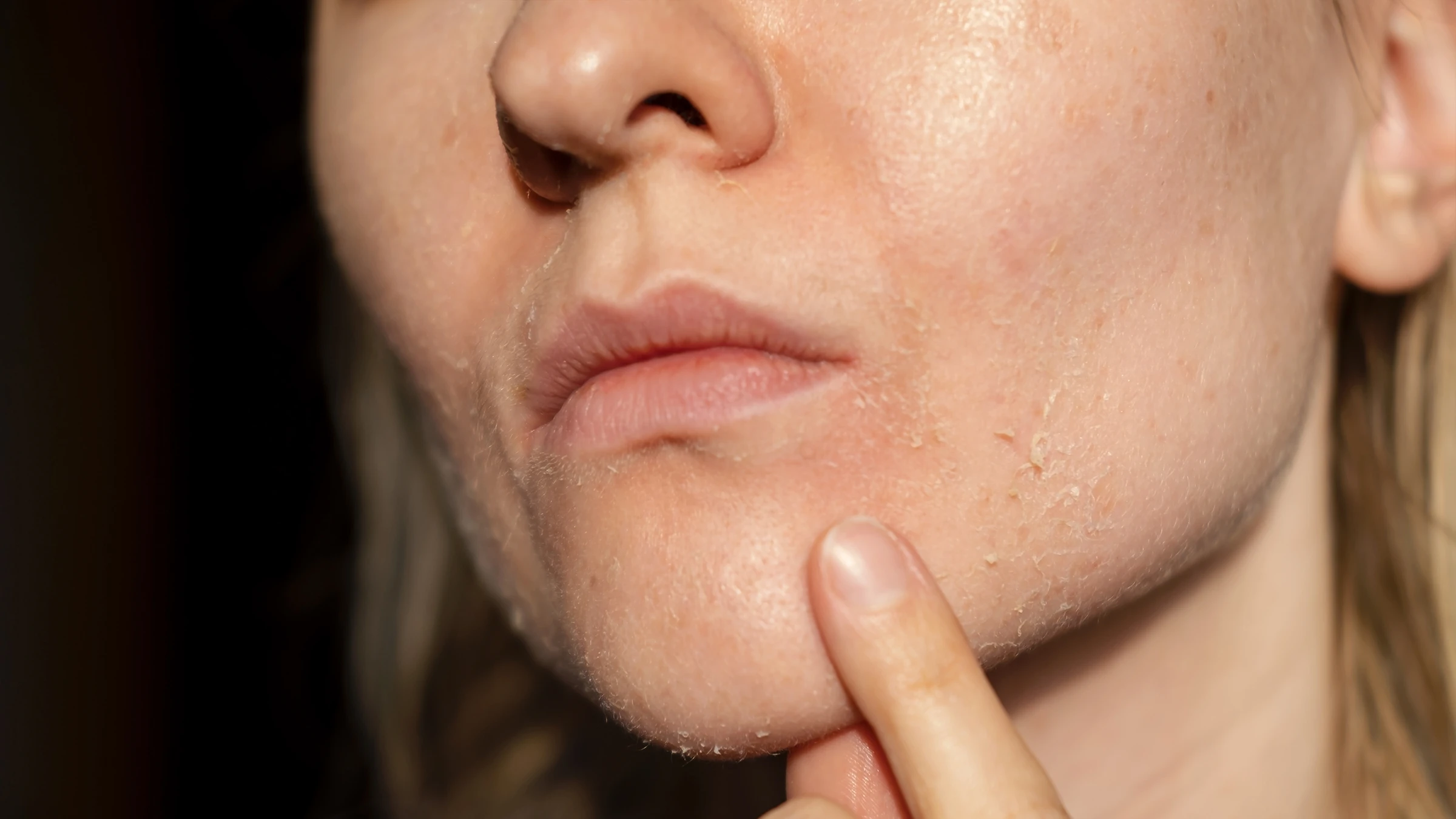
At its core, dry skin occurs when the outermost layer of your skin, called the stratum corneum, fails to retain adequate moisture. This protective barrier consists of dead skin cells held together by lipids, creating a brick-and-mortar structure that prevents water loss and keeps irritants out. When this skin barrier function becomes compromised, your skin loses its ability to maintain proper hydration levels.
The process involves several key players working together. Keratinocytes, the primary cells in your epidermis, produce essential proteins like filaggrin that help bind moisture to your skin. Natural moisturizing factors, including amino acids and ceramides, work alongside these proteins to create a healthy lipid barrier. When any component in this complex system malfunctions, whether due to genetic predisposition or environmental damage, the result is dry, flaky, and often irritated skin.
Your DNA plays a significant role in determining your skin's natural moisture levels and barrier strength. Dry skin genetics primarily revolve around mutations in specific genes that control skin barrier proteins and lipid production. These genetic variations can make some individuals more susceptible to chronic dryness from birth, regardless of their skincare habits or environmental conditions.
Research has identified several genetic markers associated with dry skin conditions. The most well-studied is the FLG gene, which produces filaggrin protein essential for maintaining skin hydration. When this gene carries mutations, it significantly reduces the skin's ability to retain moisture and protect against external irritants.
Filaggrin acts as a natural humectant in your skin, breaking down into amino acids that attract and hold water molecules. When FLG gene mutations occur, filaggrin production decreases dramatically, leading to compromised skin hydration science. This genetic deficiency affects approximately 10% of the population and creates a cascade of skin barrier problems.
People with FLG mutations often experience increased transepidermal water loss, making their skin more vulnerable to allergens, bacteria, and environmental stressors. This genetic predisposition explains why some individuals develop dry skin conditions early in life and struggle with persistent symptoms despite proper skincare routines.
Several hereditary dry skin conditions demonstrate the powerful influence of genetics on skin health. Ichthyosis vulgaris, the most common inherited dry skin disorder, affects roughly 1 in 250 people worldwide. This condition results from FLG gene mutations and causes characteristic fish-scale-like skin texture.
Atopic dermatitis also has strong genetic components, with children having a 60-80% chance of developing the condition if both parents are affected. Other genetic conditions like psoriasis involve overactive immune responses that disrupt normal skin cell turnover, leading to thick, dry patches.
While genetics set the foundation for your skin's behavior, environmental factors often trigger or worsen dry skin symptoms. The environmental impact on skin dryness encompasses everything from climate conditions to daily lifestyle choices. Understanding these external triggers for dry skin helps you identify modifiable factors that could improve your skin's condition.
Environmental factors work by disrupting your skin's natural barrier function or accelerating moisture loss. Unlike genetic factors, these influences can often be controlled or minimized through lifestyle adjustments and protective measures.
Low humidity environments pose the greatest threat to skin moisture. When air lacks sufficient water vapor, it draws moisture from your skin through increased transepidermal water loss. Winter months typically bring the harshest conditions, with cold temperatures and low humidity creating perfect conditions for dry skin development.
Wind exposure further accelerates moisture loss by increasing air circulation across your skin surface. This explains why people living in desert climates or windy coastal areas often experience more severe dry skin symptoms.
Modern indoor environments can be surprisingly harsh on skin health. Central heating systems reduce indoor humidity levels to as low as 10-20%, well below the optimal 40-60% range for skin comfort. Air conditioning units similarly remove moisture from the air while circulating dry, processed air.
Wood-burning stoves and space heaters create localized areas of extremely dry heat that can rapidly dehydrate exposed skin. These indoor factors often explain why dry skin symptoms worsen during winter months when heating systems run continuously.
Dermatologists classify causes of dry skin into two main categories: intrinsic and extrinsic factors. This classification helps healthcare providers develop targeted treatment approaches based on the underlying mechanisms driving each patient's symptoms. Understanding this distinction empowers you to address the most relevant factors affecting your skin.
The intrinsic vs extrinsic dry skin framework provides a comprehensive view of how multiple factors interact to influence skin health. Many people experience dry skin from a combination of both categories, requiring multifaceted treatment approaches.
Intrinsic factors originate from within your body and include aging, hormonal changes, medical conditions, and nutritional deficiencies. As you age, your skin naturally produces less sebum and loses collagen, leading to decreased moisture retention. Hormonal fluctuations during menopause, pregnancy, or thyroid disorders can significantly impact skin hydration levels.
Certain medications, including diuretics, retinoids, and some blood pressure medications, can cause xerosis as a side effect. Medical conditions like diabetes, kidney disease, and autoimmune disorders also contribute to chronic dry skin symptoms.
Extrinsic factors include all external influences that damage or disrupt your skin barrier. UV radiation from sun exposure breaks down collagen and elastin while damaging the lipid barrier. Chemical exposure from harsh soaps, detergents, and occupational hazards strips natural oils from your skin surface.
Environmental pollution and toxins create oxidative stress that accelerates skin aging and barrier dysfunction. Even seemingly harmless activities like frequent hand washing or long hot showers can contribute to chronic dryness by removing protective oils.
Effective dry skin management requires identifying whether your symptoms stem primarily from genetic predisposition or environmental triggers. This understanding guides treatment selection and helps set realistic expectations for improvement. While genetic factors cannot be changed, their effects can be managed through appropriate skincare strategies.
Environmental factors offer more opportunities for direct intervention through lifestyle modifications and protective measures. Most people benefit from addressing both categories simultaneously for optimal results.
Genetic dry skin conditions typically require consistent, long-term management rather than quick fixes. Focus on strengthening your skin barrier through gentle, hydrating products that support natural moisture retention. Look for ingredients like ceramides, hyaluronic acid, and niacinamide that help repair and maintain barrier function.
Severe genetic conditions may require prescription treatments including topical corticosteroids, calcineurin inhibitors, or specialized moisturizers containing urea or lactic acid. Regular dermatological monitoring helps adjust treatment plans as needed.
Environmental dry skin often responds well to lifestyle modifications and protective strategies. Install humidifiers in your home during dry seasons, limit hot shower duration, and choose gentle, fragrance-free cleansers. Protect your skin from harsh weather with appropriate clothing and barrier creams.
Identify and eliminate specific triggers in your environment, such as harsh laundry detergents or workplace chemicals. Simple changes like using lukewarm water instead of hot water for washing can make significant improvements in skin comfort.
Genetic dry skin is primarily caused by mutations in genes like FLG, which reduce filaggrin protein levels. This makes skin more susceptible to dryness, allergens, and pollutants by compromising the natural barrier function. These genetic variations affect how well your skin can retain moisture and protect against external irritants.
Key environmental factors include low humidity from heating systems, cold windy weather, excessive bathing with hot water, harsh soaps, and living in dry climates. These factors strip natural oils and disrupt the skin barrier, leading to increased water loss and irritation.
Dry skin results from dehydration in upper skin layers, impaired lipid barrier function, stratum corneum disruption, and compromised moisture retention. The process involves dysfunction in keratinocytes, reduced filaggrin production, and decreased natural moisturizing factors that normally keep skin hydrated.
Ichthyosis is the primary genetic condition causing dry, scaly skin. It's usually inherited and involves mutations affecting skin barrier proteins, particularly filaggrin, leading to chronic dryness that requires ongoing management. Other genetic conditions include atopic dermatitis and certain forms of psoriasis.
Yes, many people experience dry skin from both genetic predisposition and environmental triggers. This combination often requires comprehensive treatment addressing both underlying genetic factors and external causes for optimal skin health improvement.
Understanding the scientific reasons behind dry skin empowers you to make informed decisions about your skincare routine and lifestyle choices. Whether your dry skin stems from genetic factors, environmental triggers, or a combination of both, targeted approaches can significantly improve your skin's health and comfort. Remember that genetic predispositions don't doom you to lifelong dry skin struggles – with proper care and environmental modifications, you can maintain healthy, hydrated skin regardless of your genetic makeup.
