


Can Skin Type Change With Age? Your FAQ Answered
Your Cart
0You May Also Like
You've been dealing with oily skin your whole life, and suddenly your face feels tight after washing. Or maybe you're wondering why your once-normal skin now needs heavy moisturizer just to feel comfortable. If you're questioning whether your skin type can actually change, you're not alone. Many people notice their skin behaving differently as they age, and it's completely normal to feel confused about what's happening. Understanding how skin changes over time helps you adapt your routine and manage your expectations about what's possible.
• Your skin type can shift with age due to hormonal changes, decreased oil production, and slower cell turnover, with the most dramatic changes happening in your 40s and 50s. • The most common transition is from oily to normal or dry skin as sebaceous glands slow down after age 30. • Adapting your skincare routine to match these changes is essential for maintaining healthy skin throughout different life stages.
Before diving into how skin changes over time, it's important to understand what we mean by "skin type." Your skin type refers to your genetic baseline for oil production. This includes oily, dry, combination, and normal skin types. It's determined by how much sebum your sebaceous glands naturally produce.
Skin conditions, on the other hand, are temporary states like dehydration, sensitivity, or breakouts. These can come and go based on weather, stress, hormones, or products you're using. The distinction matters because while skin conditions can change quickly, true skin type changes happen gradually over years.
How skin texture evolves is different from skin type changes too. You might notice your skin feeling rougher or losing elasticity, but these texture changes don't necessarily mean your oil production has shifted. Understanding this difference helps you choose the right products and set realistic expectations for your skin.
Aging skin concerns aren't just about wrinkles and fine lines. The fundamental way your skin functions changes as you get older, and these changes directly impact your skin type.
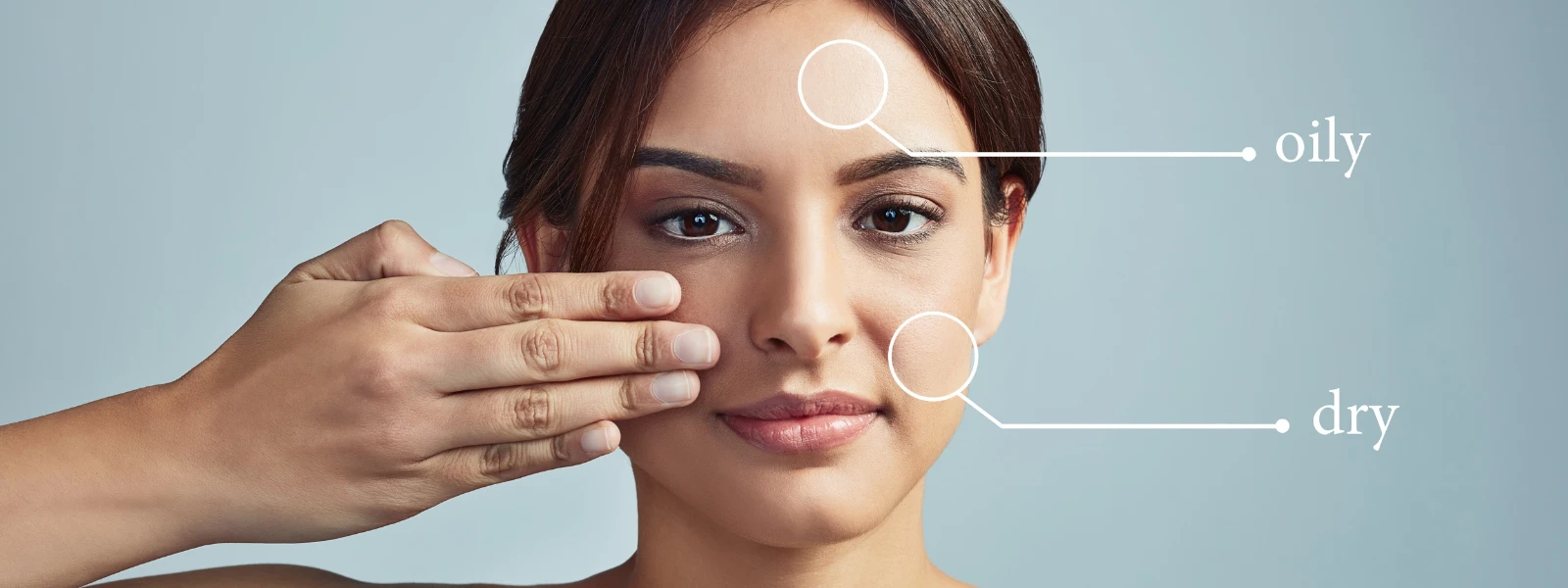
Your sebaceous glands start slowing down oil production after age 30. This happens gradually at first, then more noticeably in your 40s and 50s. If you had oily skin in your teens and twenties, you might find your T-zone less greasy and your cheeks feeling drier than before.
Starting in your mid-twenties, you lose collagen each year. This affects more than just firmness. Collagen helps your skin hold onto moisture, so as it decreases, even naturally oily skin can start feeling dry or tight in certain areas.
Young skin renews itself every 28 days, but this process slows to 40-50 days as you age. Dead skin cells stick around longer, making your skin feel rougher and look duller. This can also affect how your skin absorbs and responds to products.
Most people experience predictable patterns in how their skin type evolves. Knowing what to expect helps you prepare and adjust your routine accordingly.
This is the most common transition. Oily skin in middle age is different from teenage oiliness because hormonal skin changes reduce overall sebum production. You might still get oily in your T-zone during summer, but your cheeks and jawline probably feel normal or even dry now.
The role of declining estrogen and testosterone becomes significant here. These hormones directly influence oil production, so as they decrease with age, your skin naturally produces less sebum.
If you have combination skin, you'll likely notice your T-zone becoming less oily while your cheeks become drier. Seasonal variations also become more pronounced. Your skin might feel balanced in summer but quite dry in winter, whereas it used to stay fairly consistent year-round.
Even people with "normal" skin often develop dryness or sensitivity as they age. Environmental factors like air conditioning, heating, and pollution can accelerate these changes. Certain medications also impact mature skin needs, making previously balanced skin feel tight or reactive.
Changes in skin sensitivity with age are common too. Products that never bothered you before might suddenly cause irritation as your skin barrier weakens over time.
Hormones are often the hidden driver behind skin type changes. Understanding when and why these shifts happen helps you anticipate and manage them better.
Menopause brings the most dramatic skin changes for many women. Estrogen decline affects oil production significantly, often turning previously oily or combination skin quite dry. This isn't just about less oil – estrogen also helps maintain skin thickness and moisture retention.
Post-menopausal skin needs different care because the fundamental structure has changed. You might need richer moisturizers, gentler cleansers, and more hydrating serums than ever before.
Interestingly, some people develop adult acne even as their overall skin type becomes drier. Hormonal fluctuations in your 30s and 40s can cause breakouts in new areas, like along the jawline or chin. Stress-induced skin changes also become more noticeable as you age, since your skin's ability to bounce back from stress decreases over time.
Recognizing the early signs of skin type changes helps you adjust your routine before problems develop.
Texture changes are often the first sign. Your skin might feel rough, flaky, or tight in areas where it never did before. You might notice oil production shifts in different zones of your face – perhaps your forehead stays oily while your cheeks become dry.
New sensitivity to products that once worked fine is another clear indicator. If your trusted cleanser suddenly feels stripping or your moisturizer isn't enough anymore, your skin type is likely shifting.
Skin elasticity loss can also impact how you classify your skin type. As skin becomes less firm, it might hold onto oil differently or feel drier even if sebum production hasn't changed dramatically.
Learning to distinguish temporary shifts from lasting changes takes time. If your skin feels different for just a few weeks, it might be responding to weather, stress, or a new product. But if changes persist for several months, especially if they align with life changes like perimenopause, they're likely permanent.
Climate impact on evolving skin becomes more pronounced with age. Your skin might handle seasonal changes differently than it used to, requiring more adjustment in your routine throughout the year.
Once you recognize that your skin type is changing, adapting your routine becomes essential for maintaining healthy skin.
If your skin is becoming drier, start with gentle cleansing. The foaming cleanser that worked great for your oily teenage skin might now be too stripping. Look for cream or oil-based cleansers that clean without leaving your skin tight.
Moisturizing strategies need to evolve too. You might need to layer a hydrating serum under your moisturizer, or switch to a richer cream formula. The Asaya Glow & Lift Creme - Peptide Moisturizer works well for this transition because it provides both hydration and anti-aging benefits with Vitamin C and peptides, addressing multiple concerns that emerge as skin matures.
Ingredient swaps become important for aging skin concerns. You might need to reduce strong actives like high-concentration acids and add more hydrating ingredients like hyaluronic acid and ceramides.
As combination skin evolves, zone-specific treatments become even more important. You might need a lightweight gel moisturizer for your T-zone and a richer cream for your cheeks. The Asaya 5% Multi Peptide Complex & Hyaluronic Acid Serum for Face can help bridge this gap, providing hydration and anti-aging benefits that work well across different areas of your face.
Balancing oil control with hydration requires a delicate approach. You want to manage any remaining oiliness without over-drying the areas that have become normal or dry.
Your skin type will naturally shift from oily to normal as you age due to decreased oil production. This usually happens gradually starting in your 30s. While you can't force this change to happen faster, using gentle products and avoiding over-cleansing can help your skin find its new balance more easily.
Yes, this is actually the most common skin type transition. It typically happens over several years as hormones change and oil production decreases. Most people notice this shift becoming obvious in their 40s and 50s, though it can start earlier depending on genetics and lifestyle factors.
This is completely normal and very common. Hormonal changes, especially declining estrogen, naturally reduce oil production over time. If the change happened suddenly or is accompanied by other symptoms, it's worth consulting a dermatologist to rule out underlying conditions.
Seasonal changes usually affect your skin condition rather than your actual type. However, as you age, these seasonal variations can become more pronounced and might require different products throughout the year. True skin type changes happen gradually over months or years.
The five main signs are: decreased oil production leading to dryness, loss of elasticity and firmness, slower cell turnover causing dullness, increased sensitivity to products, and changes in how your skin responds to weather and environmental factors. These often coincide with skin type changes.
Asaya's products are designed to address multiple concerns that emerge as skin changes. The Even Tone Face Cleanser with MelaMe™ Complex provides gentle cleansing while targeting pigmentation issues that often develop with age, making it suitable for skin transitioning from oily to normal or dry.
Skin type changes with age are not only possible but expected. The key is recognizing these changes early and adapting your routine accordingly. Most people find their skin becomes less oily and more sensitive over time, requiring gentler products and more hydration than they used to need.
Remember that these changes happen gradually, so don't panic if your skin feels different than it used to. Take time to observe how your skin responds to different products and conditions. What worked in your twenties might not work in your forties, and that's perfectly normal.
As your skin evolves, ingredients like those found in Asaya's MelaMe™ Complex become particularly valuable. This advanced skincare-engineered, melanin-first molecule is designed to visibly treat discolouration and restore pigment balance within 2 weeks of regular use. It works on existing dark spots by breaking excess melanin deposits down into re-absorbable amino acids while inhibiting excess melanin production, making it especially beneficial for mature skin that's developing new pigmentation concerns alongside type changes.
The most important thing is to listen to your skin and adjust your routine as needed. Your skin type changing doesn't mean there's anything wrong – it's just another part of the natural aging process that you can manage with the right approach and products.
