


Best Home Remedy Routine for Full-Body Even Skin Tone FAQ
Your Cart
0You May Also Like
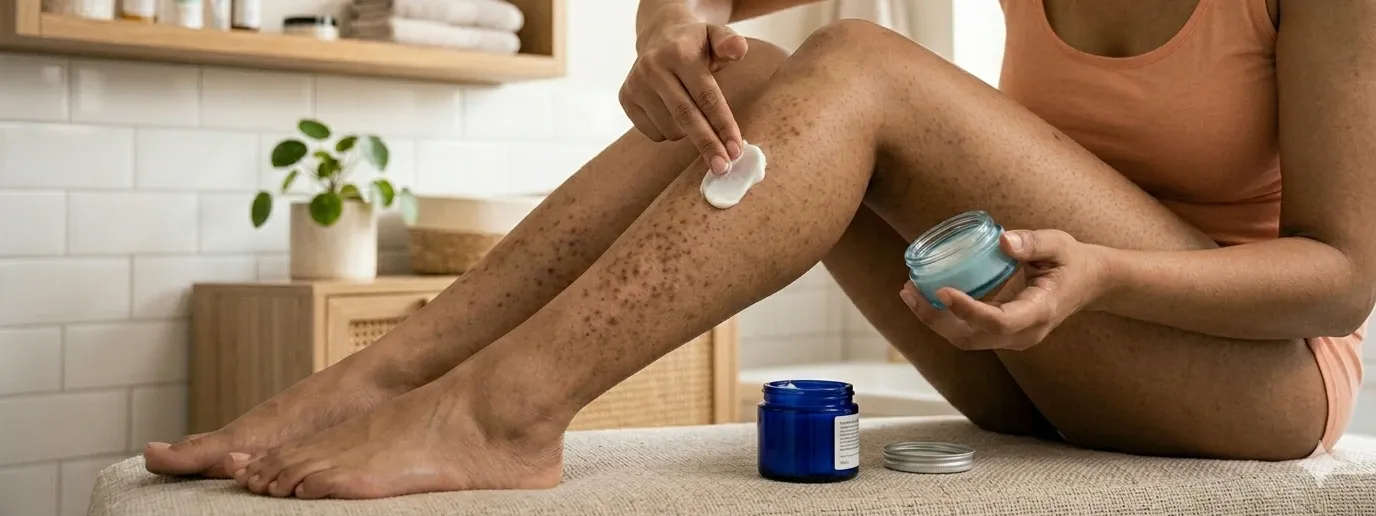
Achieving an even skin tone across your entire body doesn't require expensive treatments or harsh chemicals. With the right combination of natural ingredients and consistent care, you can address uneven pigmentation, dark spots, and dullness using simple home remedies. The key lies in understanding what causes these skin tone variations and creating a routine that works with your skin's natural healing processes. While professional treatments have their place, many people find success with gentle, natural approaches that nourish the skin while gradually improving its appearance.
A consistent 7-day routine using natural ingredients like turmeric, lemon, and oatmeal can help even skin tone across your body
Combine gentle exfoliation, targeted treatments, and proper moisturizing for best results
Most people see visible improvements within 2-4 weeks of regular use
Uneven skin tone happens when certain areas of your body produce more melanin than others. This can result from sun exposure, hormonal changes, friction from clothing, or post-inflammatory marks from acne or injuries. Your underarms, inner thighs, elbows, and knees are particularly prone to darkening because of constant friction and moisture. Natural remedies work by gently exfoliating dead skin cells, providing antioxidants that protect against further damage, and delivering nutrients that support healthy skin cell turnover. Unlike harsh bleaching agents, these ingredients work with your skin's natural processes rather than against them. The Asaya Advanced Spot Targeting Serum combines this gentle approach with advanced science, using MelaMe™ Complex alongside natural brightening agents like Alpha Arbutin to target stubborn dark spots while nourishing the skin.
Friction from tight clothing, especially around the inner thighs and underarms, creates chronic irritation that triggers excess melanin production. Hormonal fluctuations during pregnancy or due to insulin resistance can also cause darkening in body folds. Sun damage accumulates over time, creating uneven patches on exposed areas like your arms, chest, and back.
This routine focuses on gentle but effective ingredients you likely already have at home. The key is consistency rather than intensity.
Start each morning with a gentle exfoliating scrub made from oatmeal and honey. Mix two tablespoons of ground oatmeal with one tablespoon of honey and a few drops of lemon juice. Gently massage this onto damp skin in circular motions, focusing on areas with uneven tone. The oatmeal provides gentle physical exfoliation while honey acts as a natural humectant and antibacterial agent. After rinsing, apply a vitamin C treatment using fresh lemon juice diluted with equal parts water. Never use undiluted lemon juice, as it can cause irritation or photosensitivity. Pat this mixture onto dark spots and let it absorb for 10 minutes before rinsing. Strengthen the warning about lemon juice causing photosensitivity and emphasize the importance of sunscreen use. Finish with a natural moisturizer like coconut oil or aloe vera gel. These ingredients help maintain your skin's barrier while providing additional brightening benefits.
Evenings are perfect for more intensive treatments since you won't be exposed to sunlight. Start with a turmeric and yogurt mask. Mix one teaspoon of turmeric powder with two tablespoons of plain yogurt. Apply this to areas with uneven tone and leave for 15-20 minutes before rinsing with lukewarm water. Turmeric contains curcumin, which has anti-inflammatory properties and can help reduce pigmentation over time. Yogurt provides lactic acid, a gentle alpha hydroxy acid that promotes cell turnover. For targeted spot treatment, create a paste using baking soda and water. Apply this only to very dark spots, leave for 5 minutes, then rinse thoroughly. Use this treatment only 2-3 times per week to avoid over-exfoliation. Add stronger warnings about baking soda's high pH and potential for irritation, or consider removing this recommendation entirely.
Several kitchen staples have proven brightening properties when used consistently. Papaya contains natural enzymes that gently dissolve dead skin cells, revealing brighter skin underneath. Mash fresh papaya and apply it as a mask for 15 minutes before rinsing. Green tea isn't just for drinking. Brew a strong cup, let it cool, and use it as a toner. The antioxidants in green tea help protect against further damage while supporting skin healing. For enhanced benefits, freeze green tea in ice cube trays and use the cubes to massage dark areas. Apple cider vinegar, when properly diluted (one part vinegar to three parts water), can help balance skin pH and provide gentle exfoliation. However, always patch test first and never use it undiluted.
For stubborn areas, combine multiple natural ingredients for enhanced effectiveness. Create a weekly intensive mask using gram flour (besan), turmeric, rose water, and a few drops of lemon juice. This combination provides exfoliation, anti-inflammatory benefits, and gentle brightening. Steam treatments can help natural ingredients penetrate better. After a warm shower, when your pores are open, apply your chosen treatment for maximum absorption.
Different areas of your body may need slightly different approaches. For underarms, focus on gentle exfoliation and avoiding harsh deodorants that can cause further darkening. The Asaya Fade Forward Inner Thigh & Bum Roll-On offers a targeted solution for intimate areas, combining MelaMe™ Complex with gentle acids that work specifically on friction-related pigmentation. For your face and neck, use gentler concentrations of active ingredients. The delicate skin here requires more careful treatment. Dilute lemon juice further and reduce the frequency of exfoliating treatments. Elbows and knees, being thicker-skinned areas, can handle slightly more intensive treatments. You can use the baking soda paste more frequently here, but still limit it to every other day maximum.
If you have sensitive skin, start with shorter contact times and lower concentrations. Oily skin can typically handle more frequent exfoliation, while dry skin needs extra moisturizing between treatments. For those with very dark skin tones, be especially gentle with acidic ingredients like lemon juice, as they can sometimes cause irritation or paradoxical darkening if used too aggressively.
What you eat and how you live significantly impacts your skin's ability to heal and maintain an even tone. Foods rich in vitamin C, like citrus fruits and bell peppers, support collagen production and natural brightening. Antioxidant-rich foods like berries and leafy greens help protect against oxidative stress that can worsen pigmentation. Staying hydrated is crucial for skin cell turnover. Aim for at least 8 glasses of water daily, and consider adding lemon or cucumber for extra vitamin C and minerals. Sleep quality directly affects your skin's ability to repair itself. During deep sleep, your body produces growth hormone, which supports skin regeneration. Aim for 7-9 hours of quality sleep nightly.
Regular exercise improves circulation, bringing oxygen and nutrients to your skin cells while helping remove waste products. However, be mindful of friction from workout clothes, especially in areas prone to darkening. Choose moisture-wicking fabrics and shower promptly after exercising. Stress management is equally important, as chronic stress can trigger hormonal imbalances that worsen pigmentation. Consider incorporating meditation, yoga, or other stress-reduction techniques into your routine.
Most people notice initial improvements within 2-3 weeks of consistent use. However, significant changes typically take 6-8 weeks. Dark spots that took months or years to form won't disappear overnight, but patience and consistency pay off.
Yes, but introduce them gradually. Start with one treatment and add others slowly to avoid irritation. Never combine acidic ingredients like lemon juice with baking soda, as this can disrupt your skin's pH balance.
Natural doesn't always mean risk-free. Lemon juice can cause photosensitivity, making your skin more prone to sun damage. Always use sunscreen when using citrus-based treatments. Some people may be allergic to ingredients like turmeric or honey, so patch testing is essential.
Consult a professional if you notice sudden changes in pigmentation, if dark spots are growing or changing shape, or if home remedies cause persistent irritation. The Asaya Even Evermore Creme bridges the gap between home care and professional treatment, offering clinically-proven ingredients in a gentle, daily-use formula.
Yes, but darker skin tones need extra caution with acidic ingredients. What works for one person may not work for another, so it's important to listen to your skin and adjust accordingly.
Creating an even skin tone naturally requires patience, consistency, and the right combination of ingredients and lifestyle habits. While home remedies can be highly effective, combining them with scientifically-formulated products can accelerate your results. The MelaMe™ Complex represents this perfect fusion of nature and science, working to break down existing melanin deposits while preventing new dark spots from forming. This advanced molecule, tested and proven to show visible results within 2 weeks, transforms excess melanin into re-absorbable amino acids, effectively fading discoloration while restoring your skin's natural balance. Whether you choose purely natural methods or enhance them with targeted treatments, remember that healthy, even-toned skin is achievable with the right approach and realistic expectations.
