


Aging Skin Dryness FAQ: Why Oily Skin Turns Dry
Your Cart
0You May Also Like
Have you ever wondered why your once-oily T-zone now feels tight and dry? You're not alone in this puzzling skin transformation. Many women who battled excess shine in their twenties find themselves reaching for heavier moisturizers in their thirties and beyond. This shift from oily to dry skin isn't just in your head—it's a natural part of aging that affects millions of people worldwide. Understanding why this happens can help you adapt your skincare routine and maintain healthy, comfortable skin throughout every stage of life.
Your skin undergoes dramatic transformations as you age, and these changes go far deeper than what you see in the mirror. The most significant shift occurs in your sebaceous gland activity aging, which directly impacts how much oil your skin produces. Think of your sebaceous glands as tiny oil factories that have been working overtime since puberty—but like any factory, they slow down with time.
Research shows that oil production typically peaks during your teenage years and early twenties, then gradually decreases by about 10% per decade after age 30. This decline explains why your previously oily skin might start feeling different as you enter your thirties and forties.
Your sebaceous glands don't just randomly decide to slow down—they respond to specific biological signals. After age 30, these glands begin producing less sebum due to hormonal changes and natural aging processes. The size of the glands themselves also decreases, meaning they physically cannot produce the same amount of oil they once did.
Genetics play a role too. If your parents experienced similar skin changes with age, you're likely to follow a similar pattern. However, environmental factors like sun exposure, pollution, and skincare habits can accelerate or slow down these changes.
Beyond oil production, your skin's structural proteins—collagen and elastin—also decline with age. These proteins don't just keep your skin firm; they're crucial for maintaining your skin barrier function aging. When collagen breaks down, your skin loses its ability to hold onto moisture effectively.
This protein breakdown creates a double challenge: less oil production combined with reduced moisture retention. It's like having a leaky bucket that's also being filled more slowly.
Hormones are the puppet masters behind many skin changes, and hormonal changes and skin dryness are intimately connected. Estrogen, in particular, plays a crucial role in maintaining skin moisture and oil production. As estrogen levels fluctuate and decline with age, your skin responds accordingly.
The most dramatic hormonal shift occurs during perimenopause and menopause, but subtle changes begin much earlier. Even women in their late twenties and early thirties may notice their skin becoming less oily due to gradual hormonal shifts.
Before menopause, estrogen helps stimulate oil production and maintains skin thickness. This hormone also supports collagen production and helps your skin retain moisture. During the transition to menopause, estrogen levels can fluctuate wildly, causing unpredictable skin changes.
Post-menopause, when estrogen levels stabilize at much lower levels, menopause skin changes become more predictable. Many women notice their skin becomes noticeably drier, thinner, and more sensitive during this phase.
Thyroid function also affects skin moisture. An underactive thyroid can lead to dry, flaky skin, while stress hormones like cortisol can compromise your skin barrier. Even men experience hormonal changes that affect their skin, though typically later and more gradually than women.
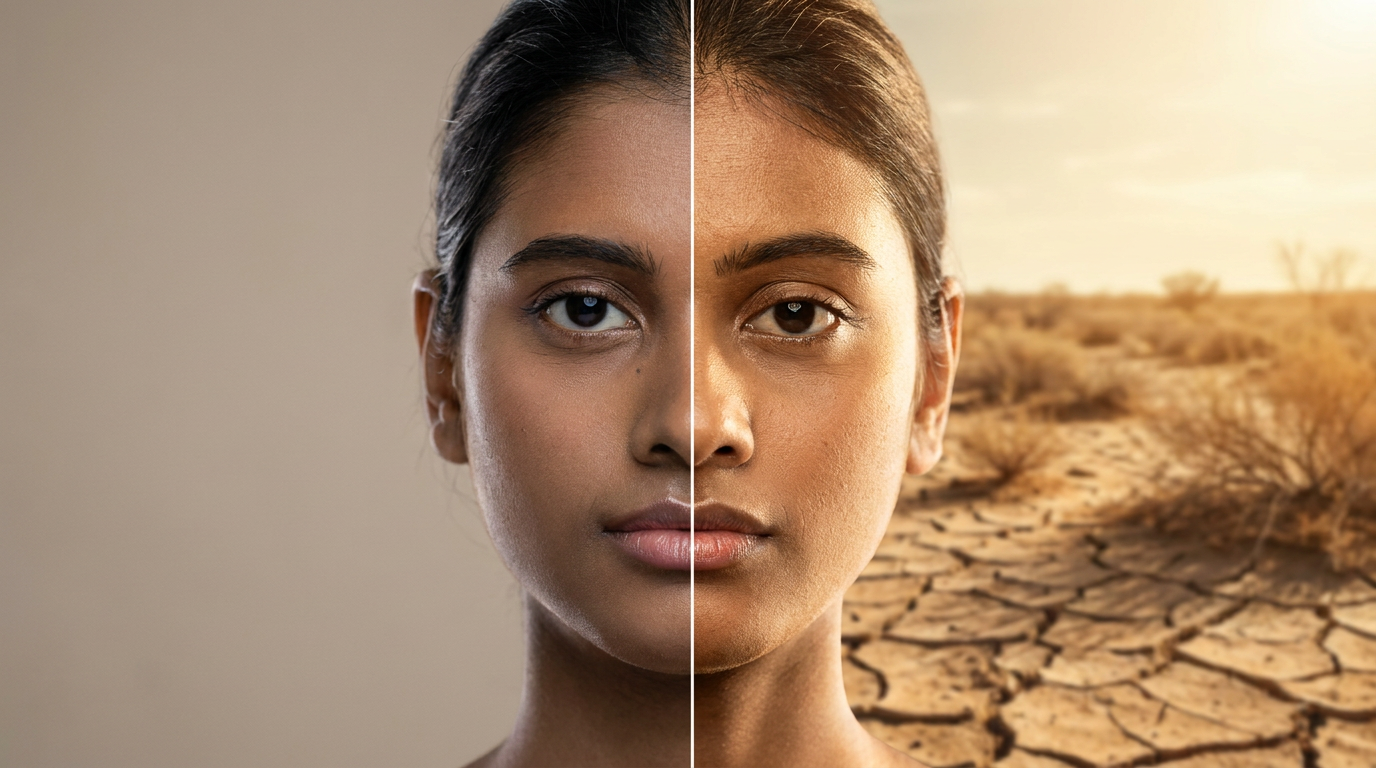
The concept of permanent skin types is actually a myth. Your skin type isn't set in stone—it's more like a river that changes course over time. The oily skin to dry skin transition is a natural evolution that most people experience to some degree.
This transition typically happens gradually over several years, making it easy to miss the early signs. You might first notice that your T-zone isn't as shiny by afternoon, or that your usual lightweight moisturizer doesn't feel quite enough anymore.
Scientific evidence strongly supports the idea that skin types evolve with age. Studies tracking the same individuals over decades show clear patterns of decreasing oil production and increasing dryness. Your skin type at 20 is not necessarily your skin type at 40.
The timeline varies by individual, but most people begin noticing changes in their thirties. Some lucky individuals maintain oily skin longer, while others experience the transition earlier due to genetics or environmental factors.
Early warning signs include reduced shine throughout the day, feeling like you need moisturizer more often, and noticing that oil-control products now feel too harsh. You might also experience more sensitivity to products that never bothered you before.
It's important to distinguish between dehydrated and dry skin. Dehydrated skin lacks water but may still produce oil, while dry skin produces less oil overall. Understanding this difference helps you choose the right products for your changing needs.
Multiple factors contribute to dehydrated skin causes as you age, creating a perfect storm for dryness. Understanding these factors helps you address the root causes rather than just treating symptoms.
Internal and external factors work together to accelerate skin hydration loss. While you can't stop aging, you can certainly slow down some of these processes with the right knowledge and approach.
Cell turnover slows significantly with age, meaning dead skin cells accumulate on the surface longer. This buildup can prevent moisture from penetrating effectively. Your body also produces less hyaluronic acid naturally, reducing your skin's ability to hold onto water.
Certain medications, particularly those for blood pressure, allergies, and acne, can contribute to skin dryness as a side effect. If you've started new medications and noticed skin changes, discuss this with your healthcare provider.
Years of UV exposure damage your skin's protective barrier, making it less effective at retaining moisture. Air conditioning, heating, and low humidity environments also contribute to moisture loss. Even hot showers, while relaxing, can strip your skin of natural oils.
Lifestyle habits like smoking, excessive alcohol consumption, and poor nutrition can accelerate skin aging and dryness. These factors compound over time, making their effects more noticeable as you age.
One of the most frustrating aspects of aging skin is dealing with both dryness and breakouts simultaneously. Adult acne oily skin patterns don't always follow the rules, and many people find themselves battling both concerns at once.
This seemingly contradictory combination occurs because different areas of your face may age at different rates. Your T-zone might still be oily while your cheeks become dry, requiring a more nuanced skincare approach.
A compromised skin barrier can trigger both dryness and acne. When your barrier is damaged, your skin may overproduce oil in some areas while losing moisture in others. Hormonal fluctuations during perimenopause can also cause unpredictable breakouts even as overall oil production decreases.
Using the wrong products can create this problem too. Over-drying acne treatments can trigger reactive oil production, while heavy moisturizers might clog pores in areas that are still oily.
The key is using gentle, targeted treatments rather than harsh, all-over approaches. Look for products with ingredients like niacinamide that can address both concerns simultaneously. Gentle cleansing with products that don't strip your skin is crucial.
Consider using different products on different areas of your face. A lightweight, oil-free moisturizer might work for your T-zone, while your cheeks might need something richer.
Yes, your skin type can definitely change from oily to dry as you age. This happens because sebaceous gland activity decreases over time, typically starting around age 30. Hormonal changes, particularly declining estrogen levels, also contribute to reduced oil production. This transition is completely normal and affects most people to some degree.
Most people begin noticing changes in their thirties, though the timeline varies by individual. Oil production typically peaks in your teens and twenties, then decreases by about 10% per decade after age 30. Women may notice more dramatic changes during perimenopause, usually in their forties or fifties.
This combination often occurs during the transition period when different areas of your face are aging at different rates. Your T-zone might still produce excess oil while your cheeks become dry. Dehydrated skin can also feel tight while still producing oil, creating this confusing combination.
Gradually introduce more hydrating products while reducing harsh, oil-stripping ingredients. Switch to a gentler cleanser, add a hydrating serum with hyaluronic acid, and use a richer moisturizer. Don't abandon all your acne-fighting products at once—instead, use them less frequently or only on problem areas.
The age-related decrease in oil production is generally permanent, as it's caused by natural changes in hormone levels and sebaceous gland function. However, your skin's needs may continue to evolve, and factors like climate, health conditions, and skincare products can influence how dry or oily your skin feels.
The transformation from oily to dry skin is a natural part of aging that affects most people. Understanding the science behind these changes—from declining sebaceous gland activity to hormonal shifts—helps you adapt your skincare routine appropriately. Remember that this transition happens gradually, and your skin's needs will continue to evolve throughout your life.
The key to managing this transition successfully is staying flexible with your skincare approach. What worked in your twenties may not work in your forties, and that's perfectly normal. Pay attention to how your skin feels and responds to products, and don't be afraid to adjust your routine as needed. With the right understanding and approach, you can maintain healthy, comfortable skin at every age.
