


Acne 101: Causes, Prevention, and Treatment Guide
Your Cart
0You May Also Like
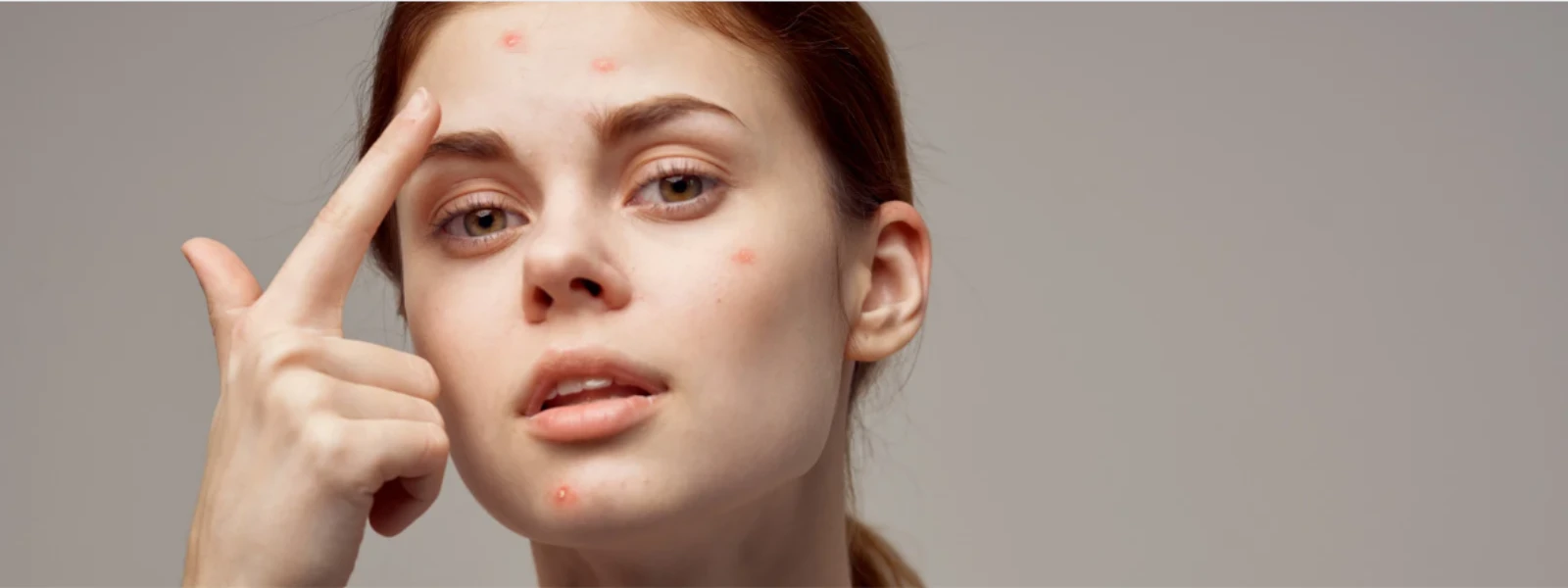
Dealing with acne can feel overwhelming, especially when you're not sure what's causing those stubborn breakouts. Whether you're a teenager experiencing your first pimples or an adult wondering why acne suddenly appeared, understanding the root causes is your first step toward clearer skin. Acne affects nearly 85% of people at some point in their lives, making it one of the most common skin conditions worldwide. The good news? With the right knowledge about acne causes and prevention, you can take control of your skin health and work toward the clear complexion you deserve.
Acne develops when your pores become clogged with a combination of dead skin cells, oil, and bacteria. This process might seem simple, but several factors work together to create the perfect storm for breakouts. Understanding these underlying mechanisms helps you make better choices for your skin. Your skin naturally produces an oil called sebum through tiny glands connected to your hair follicles. When everything works properly, this oil travels up through the pore and onto your skin's surface, keeping it moisturized and protected. Problems arise when this process gets disrupted.
Excess oil production tops the list of acne causes and prevention factors. Your sebaceous glands can go into overdrive due to hormones, genetics, or external triggers. When they produce too much oil, it becomes difficult for everything to flow smoothly through your pores. Dead skin cells that don't shed properly create the second piece of the puzzle. Normally, old skin cells slough off naturally, but sometimes they stick around and mix with that excess oil. This combination forms a plug that blocks your pore.
Once a pore gets blocked, it creates an ideal environment for bacteria called Propionibacterium acnes to multiply. These bacteria feed on the trapped oil and dead skin cells, leading to infection and inflammation. Your immune system responds to this bacterial overgrowth by sending white blood cells to fight the infection. This immune response causes the redness, swelling, and pain associated with inflamed acne lesions.
Not all acne looks the same, and different types of acne require different approaches. Recognizing what type you're dealing with helps you choose the most effective treatments and prevention strategies. Acne generally falls into two main categories: non-inflammatory and inflammatory. Non-inflammatory acne includes blackheads and whiteheads, while inflammatory acne encompasses papules, pustules, nodules, and cysts.
Blackheads form when a pore gets clogged but remains open at the surface. The dark appearance comes from oxidation, not dirt. Effective blackheads removal involves gentle exfoliation and products containing salicylic acid or retinoids. Whiteheads occur when clogged pores close completely at the surface, trapping everything underneath. Whiteheads treatment typically involves similar ingredients to blackhead treatment, but may take longer to see results since the pore opening is sealed.
Papules appear as small, red, tender bumps without visible pus. Pustules look similar but contain white or yellow pus at the center. Both respond well to gentle pimple remedies that reduce inflammation without over-drying the skin. Cystic acne causes include deeper infections that form large, painful lumps under the skin. These severe lesions often require professional treatment and can lead to scarring if not handled properly.
Hormonal acne typically appears along the jawline, chin, and lower cheeks. It often flares up around menstrual cycles, during pregnancy, or due to hormonal imbalances. This type usually requires targeted treatments that address underlying hormonal triggers. Oily skin acne tends to be more widespread and may include multiple types of lesions. Managing excess oil production becomes crucial for preventing new breakouts while treating existing ones.
Preventing acne often proves more effective than treating it after it appears. The key lies in maintaining healthy skin barrier function while keeping pores clear and bacteria levels balanced. Consistent daily habits make the biggest difference in acne causes and prevention. Small changes in your routine can lead to significant improvements over time.
Wash your face twice daily with lukewarm water and a gentle, non-comedogenic cleanser. Hot water can irritate your skin and trigger more oil production, while harsh cleansers can disrupt your skin's natural protective barrier. Choose oil-free, non-comedogenic moisturizers even if you have oily skin. Skipping moisturizer can actually make acne worse by causing your skin to produce more oil to compensate for dryness. Remove makeup completely every night using a gentle makeup remover followed by your regular cleanser. Sleeping in makeup clogs pores and provides extra food for acne-causing bacteria.
Stress management plays a crucial role in acne prevention. Chronic stress increases cortisol levels, which can trigger more oil production and worsen existing breakouts. Regular exercise, adequate sleep, and relaxation techniques help keep stress hormones in check. Pay attention to how your skin reacts to different foods. While diet doesn't directly cause acne, some people notice flare-ups after eating dairy products or high-glycemic foods like white bread and sugary snacks.
Successful acne treatment often requires patience and consistency. Most treatments take 6-12 weeks to show significant results, so stick with your routine even if you don't see immediate changes. The best approach combines prevention strategies with targeted treatments that address your specific type of acne. What works for your friend might not work for you, so be prepared to adjust your routine as needed.
Benzoyl peroxide kills acne-causing bacteria and helps unclog pores. Start with a 2.5% concentration to minimize irritation, and gradually increase if needed. This ingredient can bleach fabrics, so use white towels and pillowcases. Salicylic acid gently exfoliates inside your pores, making it particularly effective for blackheads and whiteheads. Look for products with 0.5-2% salicylic acid and use them consistently for best results. Retinoids, available both over-the-counter and by prescription, help normalize skin cell turnover and prevent pore clogging. They're considered the gold standard for acne treatment but can cause initial dryness and irritation.
Consider seeing a dermatologist if over-the-counter treatments haven't improved your acne after 2-3 months of consistent use. Professional treatments include prescription medications, chemical peels, and light-based therapies. Severe acne, especially cystic acne, often requires prescription treatments to prevent scarring. Early intervention with professional care can save you from dealing with permanent acne scars later.
A well-designed skin care routine for acne balances treatment with gentle care. The goal is to address acne without damaging your skin's protective barrier or causing excessive dryness and irritation. Start simple and add products gradually. Introducing too many new treatments at once makes it impossible to tell what's helping and increases your risk of irritation.
Begin with a gentle cleanser that removes overnight oil buildup without stripping your skin. Follow with any treatment products, then apply a lightweight, non-comedogenic moisturizer. Sunscreen is non-negotiable, even for acne-prone skin. Look for mineral sunscreens with zinc oxide or titanium dioxide, which are less likely to clog pores than chemical sunscreens.
Double cleanse if you wear makeup or sunscreen, starting with an oil-based cleanser followed by your regular face wash. This ensures complete removal of the day's buildup. Apply treatment products to clean, dry skin, waiting a few minutes between layers. Finish with a nourishing night moisturizer to support your skin's natural repair processes.
Most acne treatments require 6-12 weeks of consistent use before you see significant improvement. Some people notice initial changes within 2-4 weeks, but full results take patience and persistence.
Yes, but introduce them gradually to avoid irritation. Start with one treatment for 2-3 weeks, then slowly add others if needed. Always use a moisturizer to maintain your skin barrier.
This "purging" period is normal with certain treatments like retinoids. They accelerate skin cell turnover, bringing existing clogs to the surface faster. This typically lasts 4-6 weeks.
Many acne treatments aren't recommended during pregnancy. Stick to gentle cleansers, moisturizers, and consult your doctor about safe options like topical erythromycin or azelaic acid.
Avoid picking or squeezing pimples, treat acne early and consistently, and always wear sunscreen. Professional treatment for severe acne helps prevent the deep inflammation that leads to scarring.
Understanding acne causes and prevention empowers you to make informed decisions about your skincare routine. Remember that acne is a complex condition influenced by genetics, hormones, lifestyle factors, and environmental triggers. Consistency matters more than perfection when it comes to acne management. Stick with gentle, evidence-based treatments and give them time to work. Most importantly, be patient with yourself and your skin – clear skin is a journey, not a destination. If over-the-counter treatments aren't providing the results you want, don't hesitate to seek professional help. A dermatologist can provide personalized treatment plans and prescription options that might be more effective for your specific situation.
