


9 Ways Genetics Influence Your Oily or Dry Skin Type
Your Cart
0You May Also Like
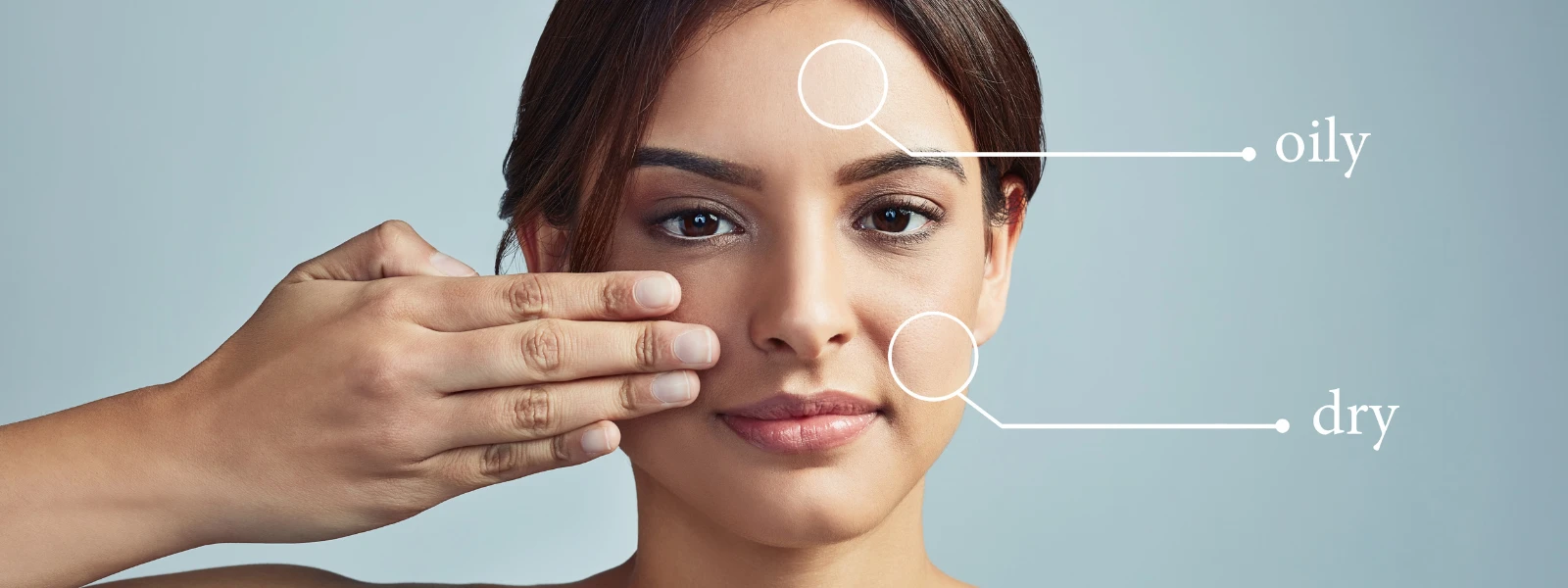
Ever wondered why your mom has perpetually oily skin while your sister deals with constant dryness? The answer lies deeper than your skincare routine—it's written in your DNA. Is having oily or dry skin actually genetic? Science says yes, and the evidence is fascinating.
Your genes don't just determine your eye color or height; they also control how much oil your skin produces, how well it retains moisture, and even how your pores are structured. Understanding these genetic factors can revolutionize how you approach skincare, helping you work with your natural skin type rather than against it.
Recent dermatological research shows that skin type inheritance follows predictable patterns, much like other physical traits. Studies indicate that approximately 60-80% of your skin characteristics are determined by genetics, while environmental factors account for the remaining 20-40%. This means your family history of skin type plays a crucial role in determining whether you'll battle oily T-zones or struggle with dry patches.
The genetics of oily skin and genetics of dry skin involve complex interactions between multiple genes. These genes control everything from sebaceous gland size to skin barrier function, creating the unique skin profile you inherit from your parents. Understanding these mechanisms helps explain why certain hereditary skin conditions run in families and why some skincare approaches work better for certain genetic backgrounds.
Your DNA influences your skin type through multiple pathways, each contributing to the overall picture of whether you'll have oily, dry, or combination skin. These genetic factors work together to create your unique skin profile, explaining why can skin type be inherited is such an important question for understanding your skincare needs.
The sebaceous gland genetics you inherit directly determine how much oil your skin produces. Genes control both the size of these oil-producing glands and their activity levels. If your parents have large, active sebaceous glands, you're likely to inherit this trait, resulting in naturally oily skin. Conversely, smaller or less active glands lead to drier skin types. This genetic programming also affects how your glands respond to hormonal changes throughout your life.
Your skin barrier function genetics determine how well your skin retains moisture and protects against environmental damage. Mutations in genes like filaggrin can lead to compromised barrier function, resulting in chronically dry skin that struggles to maintain hydration. These genetic variations affect the production of essential proteins and lipids that keep your skin barrier intact and functioning properly.
The size and structure of your pores are largely determined by genetics. Larger pores, often inherited, tend to produce and retain more oil, contributing to an oily skin type. This genetic factor also influences how visible your pores appear and how prone you are to blackheads and other pore-related concerns.
Your genes determine how sensitively your skin responds to hormones like androgens. Some people inherit heightened sensitivity to these hormones, leading to increased oil production during puberty, menstruation, or times of stress. This genetic programming explains why hormonal skin changes follow similar patterns within families.
The speed at which your skin cells renew themselves is genetically controlled. Faster turnover can lead to oilier skin as the process stimulates sebaceous glands, while slower turnover may contribute to dryness and dead skin cell accumulation. This genetic factor affects how quickly your skin recovers from damage and maintains its healthy appearance.
Your genes control the production of natural moisturizing factors like hyaluronic acid and the function of water channels in your skin. Genetic variations in these systems determine how well your skin naturally retains moisture, directly influencing whether you have dry or well-hydrated skin.
Some people inherit a tendency toward skin inflammation, which can affect oil production and barrier function. Genetic variations in immune system responses can lead to chronic low-level inflammation that disrupts normal skin function, contributing to various skin type characteristics.
The genes controlling structural protein production affect skin texture and oil distribution. Variations in collagen and elastin genetics influence how your skin feels and behaves, contributing to whether it appears oily, dry, or balanced.
Your genetic makeup determines how your skin responds to environmental stressors like weather, pollution, and skincare products. Some people inherit greater environmental sensitivity, which can trigger changes in oil production or barrier function depending on external conditions.
While genetics play a major role in determining your skin type, factors influencing skin type extend beyond DNA alone. Environmental factors like climate, diet, stress levels, and skincare habits can modify how your genetic predispositions express themselves. This means that even with a genetic tendency toward oily skin, environmental factors might temporarily shift your skin toward a more balanced state.
The interaction between genetics and environment is particularly important for Indian skin, which faces unique challenges from climate, pollution, and cultural practices. Understanding your genetic baseline helps you make informed decisions about which environmental factors to modify for optimal skin health.
Recognizing your genetic skin type allows you to choose more effective skincare strategies. Instead of fighting against your natural tendencies, you can work with them to achieve healthier, more balanced skin. This approach is more sustainable and often more successful than trying to completely change your skin type through products alone.
For those with genetically oily skin, focus on gentle oil control and maintaining barrier function rather than stripping all oils away. Those with genetically dry skin benefit from intensive hydration and barrier repair strategies that work with their skin's natural limitations.
Yes, oily skin is largely genetic. Studies show that sebaceous gland size and activity are inherited traits, meaning if your parents have oily skin, you're likely to inherit this characteristic. The genes controlling oil production are passed down through families, explaining why oily skin often runs in family lines.
Research indicates that 60-80% of your skin type characteristics are determined by genetics, while environmental factors account for 20-40%. This means your genetic foundation is the primary influence, but lifestyle and environmental factors can still modify how these genes express themselves.
You cannot change your underlying genetic skin type, but you can significantly influence how it behaves through proper skincare, lifestyle choices, and environmental modifications. The goal is to work with your genetic predispositions to achieve the healthiest version of your natural skin type.
Look at your family history and observe your skin's behavior over time. Genetic skin types remain relatively consistent throughout life, while environmentally-influenced changes are often temporary and related to specific triggers like weather, stress, or product use.
Yes, you inherit skin-related genes from both parents. This is why siblings can have different skin types even within the same family—each child receives a unique combination of genetic variants from both parents, creating individual skin profiles.
Understanding that your skin type is largely genetic empowers you to make better skincare decisions. Rather than fighting against your natural tendencies, embrace your genetic skin type and choose products and routines that support your skin's inherent characteristics. Remember that while you cannot change your genetic foundation, you have significant control over how these genes express themselves through your lifestyle choices and skincare practices.
The key is finding the right balance between accepting your genetic predispositions and optimizing the environmental factors within your control. This approach leads to more realistic expectations, better results, and a healthier relationship with your skin. Whether you've inherited oily, dry, or combination skin, understanding the genetic basis of your skin type is the first step toward achieving your healthiest, most radiant complexion.
