


9 Signs Your Skin is Truly Balanced: Beyond 'Normal'
Your Cart
0You May Also Like
When you think about skin types, "normal" probably sounds like the golden standard everyone should aim for. But here's a surprising truth that might change how you think about your skin forever: truly normal skin is actually one of the rarest skin types on the planet. Most dermatologists agree that less than 10% of adults actually have what's clinically defined as normal skin. So if you've been chasing this elusive "normal" skin goal, you might be setting yourself up for disappointment. Instead, let's talk about something more achievable and realistic: balanced skin. Understanding what balanced skin really means can transform your entire approach to skincare and help you appreciate the unique beauty of your skin's natural state.
The term "normal skin" has become so common in beauty marketing that we've forgotten how rare it actually is. Skin type rarity statistics reveal a fascinating truth: most people fall somewhere on a spectrum between different skin conditions rather than fitting neatly into one category.
Research shows that combination skin affects nearly 70% of adults, while oily and dry skin types each account for about 15-20% of the population. This leaves truly normal skin representing less than 10% of all skin types. The reason? Our skin is constantly responding to hormones, environment, age, and lifestyle factors that naturally push it away from that perfect "normal" baseline.
The beauty industry has created confusion around defining normal skin by using the term loosely in product marketing. Medically speaking, normal skin has very specific characteristics: balanced oil production, intact barrier function, minimal sensitivity, and consistent texture. Most products labeled for "normal skin" are actually designed for combination or well-managed skin types.
What is balanced skin goes far beyond just looking good on the surface. It's about achieving harmony between your skin's natural functions, creating a state where everything works together seamlessly. Think of it as your skin's optimal performance mode rather than a fixed category you're born into.
Balanced skin operates on three fundamental pillars: optimal oil production, effective moisture retention, and strong skin barrier function. Your skin's acid mantle maintains a pH between 4.5 and 6.5, creating an environment where beneficial bacteria thrive while harmful microorganisms are kept at bay. This delicate ecosystem requires constant maintenance and can be easily disrupted by harsh products or environmental stressors.
Balanced skin produces just enough sebum to maintain hydration and protection without creating excess shine or clogged pores. This ideal skin condition means your skin feels comfortable throughout the day, adapts well to seasonal changes, and responds positively to appropriate skincare products.
Recognizing truly balanced skin goes beyond surface-level observations. These nine signs indicate that your skin has achieved optimal function and health, representing the pinnacle of achieving balanced complexion.
Your skin feels smooth and even across your entire face, with pores that are visible but not enlarged. There are no rough patches, flaky areas, or excessively oily zones that require constant attention.
Balanced skin has a subtle, healthy glow that comes from within rather than surface oil. This natural luminosity reflects light beautifully without looking greasy or requiring powder to control shine.
Your skin rarely breaks out, and when minor blemishes do appear, they resolve quickly without leaving lasting marks. Environmental changes like weather shifts or travel don't dramatically affect your skin's appearance.
Monthly hormonal fluctuations don't cause dramatic changes in your skin's condition. While you might notice subtle variations, your skin maintains its overall balance and appearance throughout your cycle.
When your skin encounters mild irritants or experiences minor damage, it heals efficiently without prolonged redness or sensitivity. This indicates strong barrier function and healthy cellular turnover.
Your skin feels comfortable from morning to night without requiring frequent touch-ups or additional products. There's no tightness, itching, or excessive oiliness that demands immediate attention.
Your complexion appears uniform with minimal hyperpigmentation or discoloration. Any existing spots or marks fade naturally over time without requiring intensive treatment.
Your skin responds well to suitable skincare products without extreme sensitivity or resistance. New products integrate smoothly into your routine without causing unexpected reactions.
Your skin looks healthy and vibrant for your age, aging gracefully without premature signs of damage or deterioration. Fine lines and changes appear gradually and naturally.
The reality of skin type spectrum is much more complex than the traditional categories suggest. Most people's skin exists in a state of constant flux, moving between different conditions based on internal and external factors.
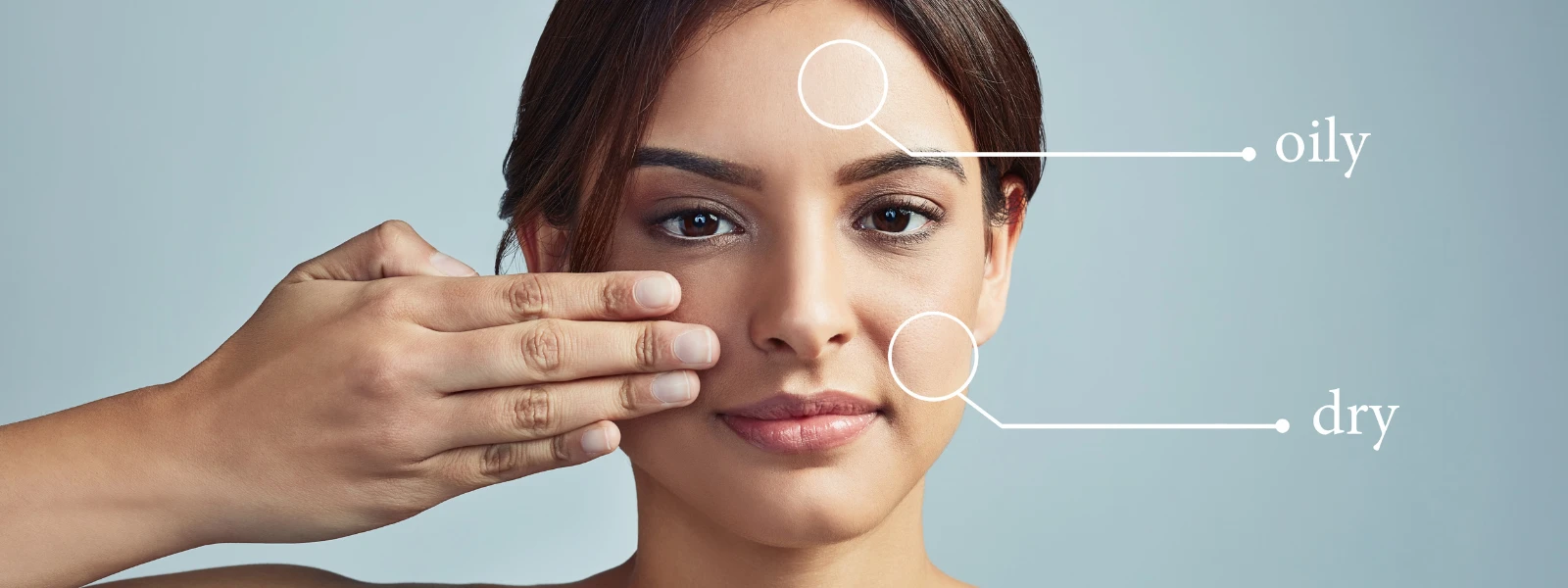
Many people with combination skin believe they have normal skin because their T-zone oiliness seems "manageable" or their cheeks feel "fine." However, true normal skin doesn't have these variations in oil production across different facial zones.
Your skin type can shift due to age, hormones, climate, stress, and skincare routine changes. Understanding skin balance means recognizing these fluctuations and adapting your approach accordingly rather than rigidly sticking to one classification.
While you might not be born with perfectly balanced skin, you can certainly work toward achieving and maintaining this optimal state. The key lies in supporting your skin's natural functions rather than trying to force it into an unnatural condition.
Less is often more when it comes to skin care for normal skin or working toward balance. Gentle cleansing, appropriate moisturizing, and consistent sun protection form the foundation of any balanced skin routine. Avoid over-cleansing or using too many active ingredients simultaneously.
Balanced skin reflects overall health and wellness. Adequate sleep, stress management, proper hydration, and a nutrient-rich diet all contribute to your skin's ability to maintain its natural equilibrium.
No, normal skin and combination skin are distinctly different. Normal skin maintains consistent oil production and texture across the entire face, while combination skin has varying conditions in different areas, typically with an oily T-zone and normal to dry cheeks.
Yes, while genetics play a role in your baseline skin type, you can work toward achieving better balance through consistent, appropriate skincare and healthy lifestyle choices. The goal is optimizing your skin's natural functions rather than completely changing your skin type.
Naturally balanced skin maintains its optimal condition with minimal intervention, while well-managed skin requires consistent product use to maintain its appearance. Try simplifying your routine temporarily to see how your skin responds without extensive product support.
Modern life presents numerous challenges to skin balance, including pollution, stress, hormonal fluctuations, processed foods, and harsh skincare products. Additionally, individual genetic factors influence how easily your skin maintains its natural equilibrium.
Understanding that truly normal skin is rare can be liberating rather than discouraging. Instead of chasing an unrealistic ideal, focus on achieving the best possible balance for your unique skin. Remember that skin health definition goes beyond appearance to include function, comfort, and resilience. Your skin's journey toward balance is ongoing, influenced by countless factors that change throughout your life. Embrace this dynamic nature and work with your skin rather than against it. The goal isn't perfection but rather optimal function and health that allows your natural beauty to shine through. Whether your skin tends toward oily, dry, or combination characteristics, you can still achieve a state of balance that feels comfortable, looks healthy, and responds well to appropriate care.
