


13 Reasons Why Teens Get Sensitive Skin & How to Help
Your Cart
0You May Also Like
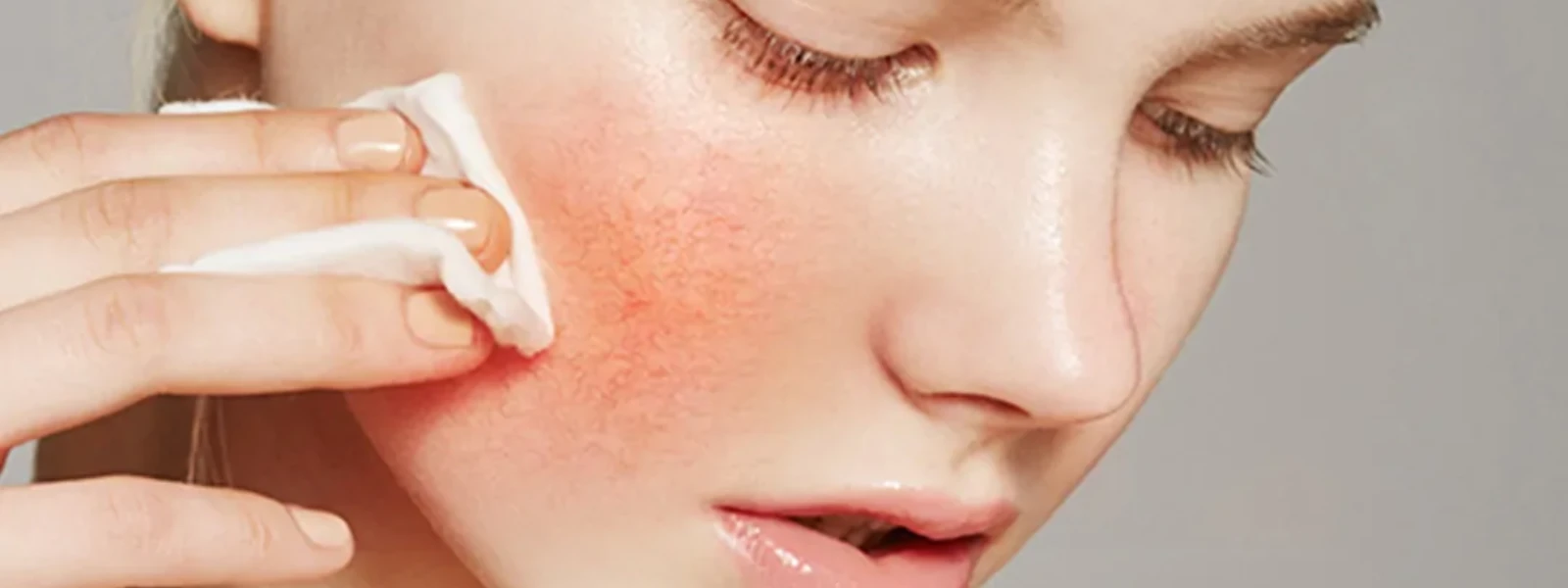
Teenage years bring many changes, and sensitive skin is one of the most common challenges teens face. If you've noticed your teenager dealing with redness, irritation, or unexpected skin reactions, you're not alone. Studies show that nearly 60% of adolescents experience some form of skin sensitivity during puberty. Understanding why teens get sensitive skin is the first step toward helping them build confidence and healthy skincare habits that last a lifetime.
Teen skin operates differently than adult skin, making it naturally more prone to sensitivity and reactions. During adolescence, the skin undergoes significant changes that affect its barrier function and overall resilience. The skin becomes thicker in some areas while remaining delicate in others, creating an uneven landscape that's more susceptible to irritation.
Research indicates that teen skin sensitivity causes are multifaceted, involving hormonal fluctuations, environmental factors, and lifestyle choices. The sebaceous glands become hyperactive during puberty, producing up to five times more oil than adult skin, which can lead to clogged pores and increased sensitivity to skincare products.
Parents can identify potential skin sensitivity in their teens by watching for these signs:
Redness that appears after using new products
Burning or stinging sensations during skincare routines
Increased breakouts when trying new products
Skin that feels tight or uncomfortable after cleansing
Reactions to weather changes or stress
Understanding the root causes of teenage skin reactions helps parents and teens make informed decisions about skincare and lifestyle choices. These causes range from natural biological processes to environmental factors that can be controlled or managed.
The most significant factor in teen skin sensitivity stems from hormonal changes and teen skin interactions during puberty.
1. Puberty Hormone Surges: Testosterone and estrogen levels fluctuate dramatically during adolescence, directly affecting skin thickness, oil production, and sensitivity levels. These hormonal spikes can make previously tolerated products suddenly irritating.
2. Increased Sebum Production: Oil glands become hyperactive, producing excess sebum that can trap bacteria and irritants, leading to inflammation and sensitivity. This overproduction often makes teens feel like they need harsh products to control oil, which paradoxically increases sensitivity.
3. Menstrual Cycle Impacts: Female teens experience monthly hormonal fluctuations that can trigger skin sensitivity, particularly in the week before menstruation when progesterone levels peak.
4. Growth Hormone Effects: Rapid growth during adolescence affects skin thickness and elasticity, making it more vulnerable to environmental stressors and product reactions.
External factors play a crucial role in irritated skin in teenagers, often amplifying existing sensitivity issues.
5. Climate and Weather Sensitivity: Seasonal changes, humidity levels, and temperature fluctuations can trigger skin reactions. Air conditioning and heating systems can also disrupt the skin's natural moisture balance.
6. Pollution and Urban Environment Exposure: City pollutants, dust, and environmental toxins can accumulate on teen skin, causing irritation and inflammatory responses that increase overall sensitivity.
7. Academic and Social Stress: High stress levels trigger cortisol production, which can worsen existing skin conditions and increase sensitivity to external irritants.
8. Sleep Deprivation Effects: Insufficient sleep disrupts the skin's natural repair processes, making it more vulnerable to sensitivity and slower to recover from irritation.
Many common teen skin issues stem from well-intentioned but misguided skincare practices.
9. Over-Cleansing and Harsh Scrubbing: The misconception that oily teen skin needs aggressive cleansing often leads to barrier damage and increased sensitivity. Physical scrubs can create micro-tears that allow irritants to penetrate deeper.
10. Acne Medications Causing Irritation: Acne medication sensitive skin teens often experience dryness, peeling, and increased photosensitivity from treatments like retinoids and benzoyl peroxide, especially when starting treatment.
11. Wrong Product Selection: Using products formulated for adult skin or choosing products based on marketing rather than skin type can lead to reactions and increased sensitivity.
Some teens are predisposed to sensitivity due to inherited traits and underlying health conditions.
12. Family History of Sensitive Skin: Genetic predisposition to conditions like eczema, rosacea, or general skin sensitivity often manifests during the teenage years when hormonal changes trigger dormant sensitivities.
13. Underlying Conditions: Undiagnosed allergies, autoimmune conditions, or skin disorders can cause persistent sensitivity that parents might attribute to typical teenage skin changes.
Recognizing sensitive facial skin teens experience requires careful observation of both physical symptoms and behavioral changes. Many teens don't communicate skin discomfort clearly, making parental awareness crucial for early intervention.
The key signs include persistent redness that doesn't resolve quickly, complaints of burning or stinging during product application, and sudden changes in skin texture or appearance. Parents should also watch for behavioral cues like avoiding certain activities, covering their face frequently, or expressing reluctance to use skincare products.
Certain symptoms indicate the need for dermatological consultation:
Severe reactions that don't improve within 48 hours
Spreading redness or swelling
Persistent burning or pain
Signs of infection like pus or fever
Reactions that interfere with daily activities
Effective skincare for sensitive teen skin focuses on gentle, consistent routines that support the skin's natural barrier function. The goal is to calm existing sensitivity while preventing future reactions through careful product selection and application techniques.
A successful routine starts with understanding that less is often more for sensitive skin. Teens should begin with a basic three-step routine: gentle cleansing, lightweight moisturizing, and daily sun protection.
Lukewarm water rinse or gentle, fragrance-free cleanser
Lightweight, non-comedogenic moisturizer
Broad-spectrum SPF 30 or higher sunscreen
Gentle cleanser to remove daily buildup
Wait 10-15 minutes before applying any treatment products
Moisturizer to support overnight repair
When hormonal changes and teen skin create persistent sensitivity issues, a targeted approach becomes necessary. Hormonal fluctuations can worsen existing conditions like eczema or trigger new sensitivities that require specialized care.
Understanding the cyclical nature of hormonal skin changes helps teens and parents anticipate and prepare for sensitive periods. Female teens often notice increased sensitivity in the week before menstruation, while all teens may experience heightened reactions during growth spurts.
For persistent sensitivity issues, collaboration between dermatologists, pediatricians, and families ensures comprehensive care that addresses both immediate symptoms and long-term skin health.
Building healthy habits early helps teens avoid many adolescent sensitive skin triggers and establishes routines that benefit them throughout life. Prevention focuses on supporting the skin's natural functions while avoiding common irritants and stressors.
Daily habits that protect sensitive skin include staying hydrated, eating a balanced diet rich in antioxidants, managing stress through healthy outlets, and maintaining consistent sleep schedules. Environmental modifications like using humidifiers and choosing gentle laundry detergents also contribute to skin comfort.
Use fragrance-free household products
Maintain optimal humidity levels (40-60%)
Choose soft, breathable fabrics for bedding and clothing
Ensure good ventilation to reduce indoor pollutants
Sudden skin sensitivity in teens typically results from hormonal changes during puberty, new skincare products, increased stress levels, or environmental factors. The skin's barrier function changes during adolescence, making it more reactive to previously tolerated substances.
Teen skin sensitivity often improves as hormone levels stabilize in the late teens or early twenties. However, establishing good skincare habits early can significantly reduce the duration and severity of sensitivity issues.
Yes, stress triggers cortisol production, which can weaken the skin barrier and increase inflammation. Academic pressure, social challenges, and sleep deprivation all contribute to stress-related skin sensitivity in teenagers.
Avoid suggesting harsh scrubs, multiple new products at once, or dismissing their concerns as "just teenage skin." Don't recommend adult skincare products or treatments without professional guidance.
Consult a dermatologist if sensitivity persists despite gentle care, interferes with daily activities, shows signs of infection, or is accompanied by severe reactions like widespread redness or swelling.
Teen skin sensitivity is a common, manageable condition that stems from multiple factors including hormonal changes, environmental stressors, and skincare practices. Understanding these causes empowers parents and teens to make informed decisions about skincare routines and lifestyle modifications. The key to success lies in patience, consistency, and working with healthcare professionals when needed. Remember that sensitive skin during the teenage years is often temporary, and establishing good habits early creates a foundation for lifelong skin health. With proper care and understanding, teens can navigate this challenging period while building confidence and healthy relationships with their skin.
