


11 Best Serums for Oily Skin: Oil Control & Hydration
Your Cart
0You May Also Like
Finding the right serum for oily skin can feel like solving a puzzle. You need something that controls excess oil without leaving your skin feeling stripped or tight. The good news? The right serum can actually help balance your skin's oil production while keeping it properly hydrated. Many people with oily skin skip serums entirely, thinking they'll make their skin greasier. But that's exactly the opposite of what happens when you choose the right formula. A well-formulated serum for oily skin can regulate your skin's natural oils, minimize pores, and give you that balanced, healthy glow you're after.
• Oily skin needs lightweight, water-based serums with ingredients like niacinamide, hyaluronic acid, and vitamin C
• The best serums for oily skin control oil production while maintaining proper hydration levels
• Look for non-comedogenic, fast-absorbing formulas that won't clog pores or feel heavy on your skin
Here's something that might surprise you: oily skin often produces more oil when it's dehydrated. Your skin tries to compensate for the lack of moisture by ramping up oil production. This creates a cycle. You avoid hydrating products because your skin feels oily. But that actually makes the oiliness worse.
Serums are different from heavy moisturizers. They're concentrated treatments with smaller molecules that penetrate deeper into your skin. A good serum for oily skin delivers active ingredients exactly where they're needed without sitting on the surface and feeling greasy.
The key is choosing formulas that are specifically designed for oily complexions. These serums typically have a water-based or gel-like texture that absorbs quickly and doesn't interfere with your skin's natural oil balance.
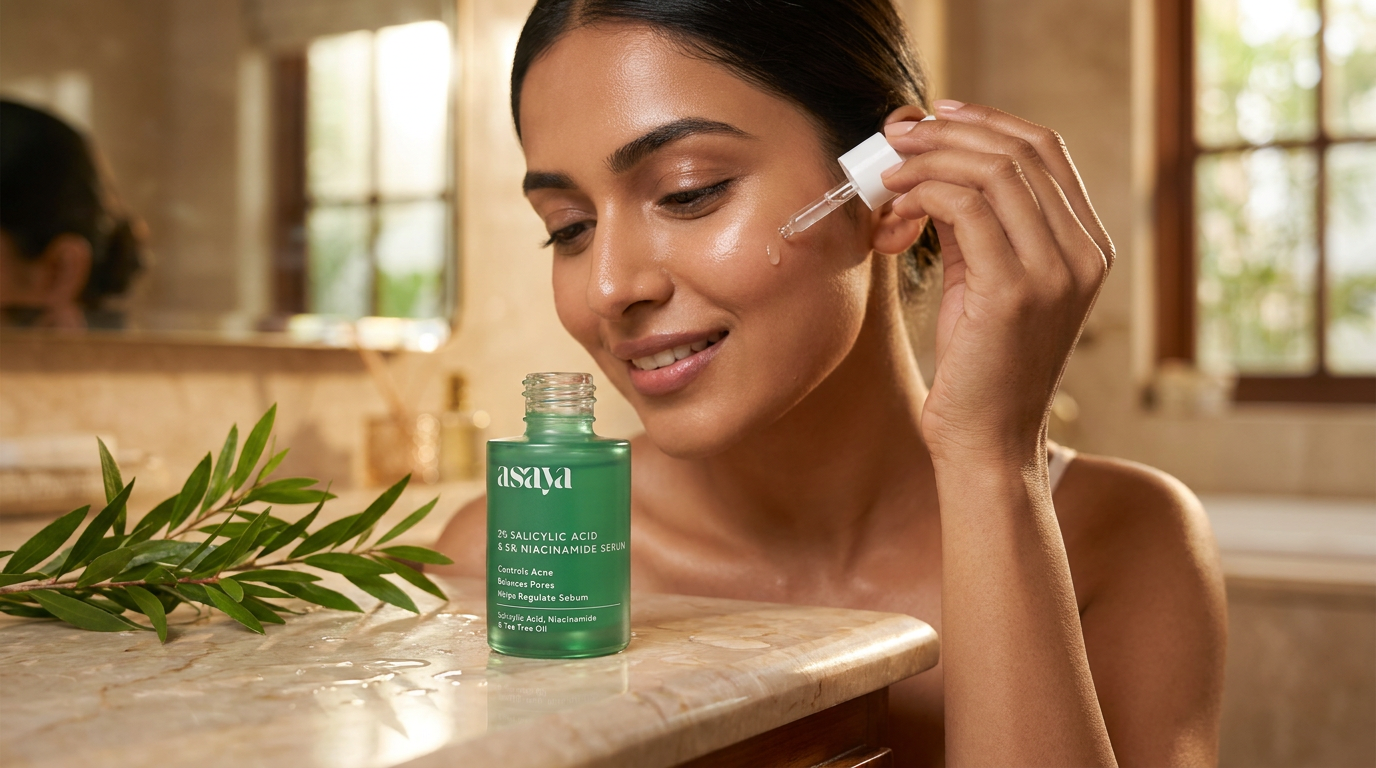
Niacinamide is probably the most effective ingredient for controlling oil production. At concentrations of 5-10%, it helps regulate sebum production and minimizes the appearance of pores. It also has anti-inflammatory properties, which means it can help with any redness or irritation that comes with oily, acne-prone skin.
For comprehensive pore and oil control, consider a serum that combines niacinamide with ingredients like alpha arbutin and zinc PCA. These lightweight, non-comedogenic formulas absorb quickly and work on multiple concerns at once.
Hyaluronic acid might sound counterintuitive for oily skin, but it's actually perfect. This ingredient can hold a significant amount of water, providing intense hydration without any oily residue. It's important to note that this is a theoretical capacity, and actual performance can vary based on molecular weight and environmental humidity. Look for serums with different molecular weights of hyaluronic acid for both surface and deep hydration.
For anti-aging benefits alongside hydration, look for formulas that combine hyaluronic acid with peptides to plump fine lines while keeping oily skin properly moisturized.
Vitamin C serums can work beautifully for oily skin when they're in the right form. Look for stable forms like magnesium ascorbyl phosphate or sodium ascorbyl phosphate rather than L-ascorbic acid, which can be too harsh for some oily skin types.
The best serum for oily skin should feel like water or a very light gel. It should absorb within 30-60 seconds of application and never leave a sticky or tacky feeling. Water-based formulas are usually your best bet, though some oil-free gel serums work well too.
This is non-negotiable for oily skin. Non-comedogenic means the product has been tested and won't clog your pores. Even if a serum has great active ingredients, it's useless if it's going to cause breakouts.
The most effective serums for oily skin tackle multiple concerns at once. Look for formulas that combine oil control with pore refinement, hydration, or anti-aging benefits. This approach is more efficient and often more cost-effective than using multiple single-ingredient serums.
These are the gold standard for oily skin. Niacinamide serums help control oil production, minimize pores, and reduce inflammation. They work well under makeup and play nicely with other skincare ingredients. Look for concentrations between 5-10% for the best balance of effectiveness and tolerance.
Perfect for adding hydration without weight. These serums are especially good if your oily skin also feels tight or dehydrated. They work by drawing moisture from the environment into your skin, so they're most effective in humid climates or when used under a light moisturizer.
Great for oily skin that's also dealing with dullness or uneven tone. Vitamin C serums provide antioxidant protection and can help brighten your complexion. Choose stable forms and start with lower concentrations if you have sensitive skin.
Ideal for oily, acne-prone skin. Salicylic acid is oil-soluble, so it can penetrate into pores and help clear out buildup. These serums are particularly good for preventing blackheads and keeping pores clear.
Zinc has natural oil-controlling and anti-inflammatory properties. Serums with zinc PCA or zinc gluconate can help regulate sebum production while soothing irritated skin.
For oily skin that's also showing signs of aging, peptide serums can help boost collagen production without adding heaviness. They're particularly good for the eye area and around the mouth where fine lines tend to appear first.
If your oily skin also deals with dark spots or post-acne marks, alpha arbutin can help fade pigmentation without irritation. It's gentler than hydroquinone but still effective for brightening.
Green tea has natural oil-controlling and antioxidant properties. These serums are particularly good for oily skin that's also sensitive or reactive.
For oily skin that can tolerate retinoids, these serums help with both acne prevention and anti-aging. Start with low concentrations and use only at night.
These combine several beneficial ingredients for comprehensive care. They're convenient and often more cost-effective than buying multiple single-ingredient serums.
Specifically designed to control shine throughout the day. These often contain silica or other oil-absorbing ingredients that create a smooth, matte base for makeup.
Stick to gentle ingredients like niacinamide, hyaluronic acid, and zinc. Avoid high concentrations of acids or vitamin C until you know how your skin reacts.
Look for serums with salicylic acid, niacinamide, or zinc. These ingredients help prevent breakouts while controlling oil production.
Combine oil control with anti-aging ingredients like peptides, vitamin C, or gentle retinoids. Consider formulas that combine peptides with vitamin C for both firming and brightening benefits.
Always apply serums to clean, slightly damp skin. Use 2-3 drops for your entire face and gently pat the product in rather than rubbing. Wait 30-60 seconds before applying your next product.
Most serums can be used twice daily, but some ingredients like retinol should only be used at night. Always follow with sunscreen during the day, especially when using active ingredients.
If you're using multiple serums, apply them from thinnest to thickest consistency. Wait a minute between each application to let the previous product absorb.
The best serum for oily skin typically contains ingredients like niacinamide, hyaluronic acid, and vitamin C. Look for lightweight, water-based formulas that absorb quickly and are non-comedogenic. Consider your specific concerns, such as acne or aging, when choosing a formula.
Yes, serum is not only okay but highly beneficial for oily skin. The right serum won't make your skin oilier; in fact, properly hydrated skin often produces less excess oil. Choose lightweight, water-based formulas that absorb quickly.
Most people notice some improvement in oil control within 1-2 weeks of consistent use. For pore refinement and texture improvements, give it 4-6 weeks. For pigmentation concerns, visible results can often be seen within 2 weeks of consistent use with advanced technologies.
Yes, but introduce them gradually. Start with one serum and add others slowly to see how your skin reacts. Some combinations work better than others, so pay attention to how your skin feels.
Choosing the right serum for oily skin is about finding the balance between oil control and proper hydration. The best formulas use ingredients like niacinamide, hyaluronic acid, and vitamin C to regulate sebum production while keeping your skin healthy and balanced.
For comprehensive care, consider serums that address multiple concerns at once. Many options combine oil control with other benefits like pore refinement and anti-aging. Advanced technologies, particularly those designed for melanin-specific benefits, are particularly effective for oily skin dealing with dark spots or uneven tone. This approach means you can address oil control and pigmentation concerns simultaneously, seeing visible improvements in skin clarity and balance within just 2 weeks of consistent use.
