


Will Pigmentation Go Away? Expert Answers Revealed
Your Cart
0You May Also Like
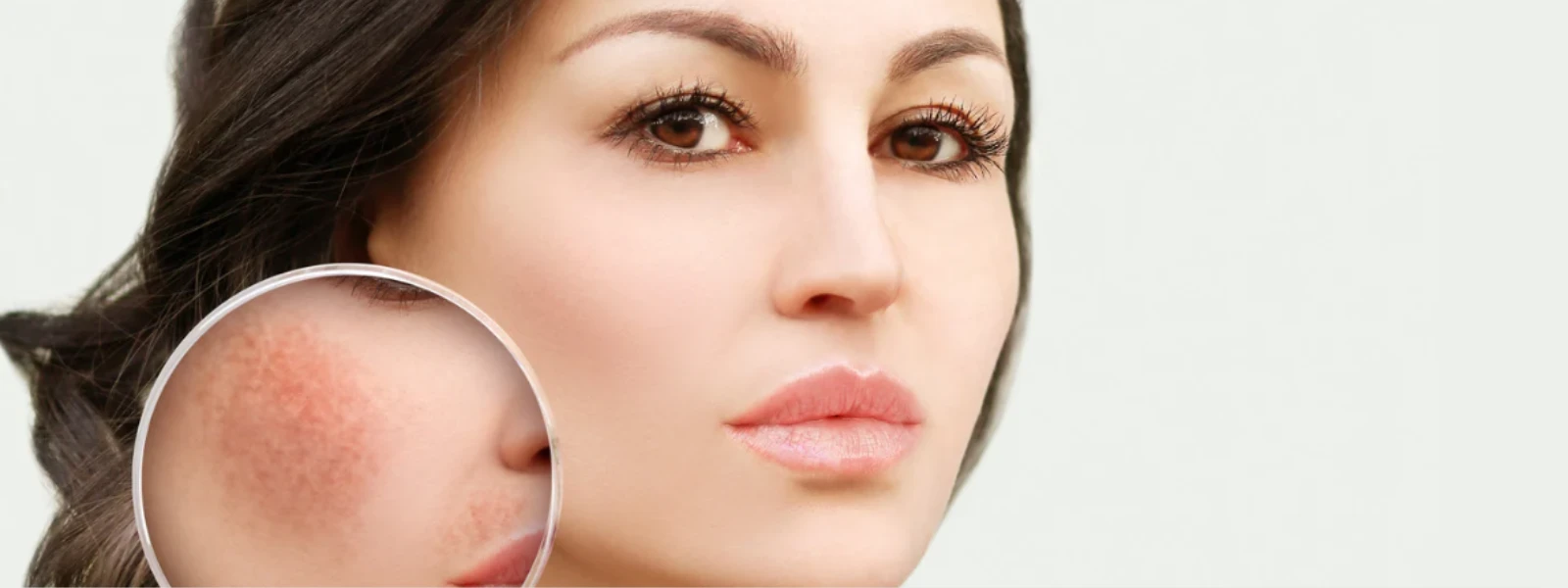
Dealing with dark spots and uneven skin tone can feel overwhelming. Many people wonder if their pigmentation will fade on its own or if they need to take action. The good news is that understanding how your skin works can help you make informed decisions about treatment. Some types of pigmentation do fade naturally over time, while others may need a helping hand. Let's explore what causes skin discoloration and discover the most effective ways to achieve the clear, even complexion you're looking for.
Pigmentation happens when your skin produces too much melanin in certain areas. Melanin is the natural pigment that gives your skin its color and helps protect it from sun damage. When this process goes into overdrive, you end up with dark spots, patches, or an uneven skin tone that can make you feel self-conscious.
Your skin contains special cells called melanocytes that produce melanin. These cells work harder when they detect threats like UV rays or inflammation. Think of melanin as your skin's natural sunscreen - it's trying to protect you. However, sometimes this protection system gets confused and creates too much pigment in specific areas. This excess melanin gets trapped in your skin cells, creating the dark spots you see on the surface.
Different types of pigmentation have different causes and behaviors. Melasma appears as brown patches, usually on your face, and often develops during pregnancy or when taking hormonal medications. Post-inflammatory hyperpigmentation shows up after acne, cuts, or other skin injuries heal. Age spots develop from years of sun exposure and typically appear on areas that see the most sunlight. Freckles are usually genetic and become more noticeable with sun exposure.
External factors like UV exposure are the biggest culprits behind pigmentation issues. Even brief sun exposure can trigger melanin production that leads to dark spots months later. Internal factors include hormonal changes during pregnancy, menopause, or from birth control pills. Inflammation from acne, eczema, or injuries also signals your skin to produce extra melanin as part of the healing process.
The short answer is: it depends on the type and severity of your pigmentation. Your skin naturally renews itself every 28 days, which means pigmented cells do eventually shed off. However, this process can take much longer than you might hope, and some types of pigmentation won't fade without intervention.
Your skin constantly creates new cells in the deeper layers and pushes older cells to the surface. This natural exfoliation process can gradually reduce the appearance of surface-level pigmentation. However, when melanin gets deposited in deeper skin layers, it takes much longer to reach the surface and shed away. The natural turnover process slows down as you age, which is why pigmentation tends to stick around longer in mature skin.
Light, surface-level pigmentation from minor sun exposure or small injuries often fades within 6 to 12 months. Post-inflammatory hyperpigmentation from acne may improve over time, especially if you have lighter skin. However, deeper pigmentation like melasma, severe sun damage, or long-standing age spots rarely disappear completely without treatment. These types of discoloration typically require active intervention to see meaningful improvement.
Mild hyperpigmentation might show noticeable improvement within 6 to 12 months with good sun protection. Moderate discoloration could take 1 to 2 years to fade significantly, and even then, some traces may remain. Severe pigmentation or deep melasma often requires professional hyperpigmentation treatment to achieve satisfactory results. Your skin type, age, and the pigmentation's cause all influence how quickly natural fading occurs.
When natural fading isn't enough, several effective treatments can help speed up melanin reduction and restore your skin's natural tone. The key is choosing the right approach for your specific type of pigmentation and skin sensitivity. Modern hyperpigmentation solutions range from gentle daily treatments to more intensive professional procedures.
Hydroquinone remains the gold standard for treating hyperpigmentation because it directly inhibits melanin production. Retinoids work by speeding up cell turnover, helping pigmented cells shed faster while preventing new dark spots from forming. Vitamin C provides antioxidant protection while gradually brightening existing pigmentation. Kojic acid offers a gentler alternative that naturally inhibits the enzymes responsible for melanin production.
Chemical peels use controlled acids to remove pigmented skin layers and reveal fresh, even-toned skin underneath. Laser therapy targets melanin with precise light energy, breaking up pigment deposits so your body can naturally eliminate them. Microneedling creates tiny channels in your skin that enhance the penetration of lightening treatments. IPL treatments use broad-spectrum light to target multiple types of pigmentation in a single session.
The most effective approach often combines multiple treatments for faster, more dramatic results. You might use a gentle retinoid at night, vitamin C in the morning, and get monthly chemical peels. Professional treatments work best when supported by a consistent at-home routine that maintains and enhances the results. Your skincare professional can design a customized protocol that addresses your specific pigmentation concerns.
Creating an effective treatment plan starts with understanding your skin's current condition and setting realistic goals. The most successful approaches combine patience with consistency, using proven ingredients that work together to treat hyperpigmentation safely and effectively.
Start by taking clear photos of your skin in natural light to track your progress over time. Identify the type and severity of your pigmentation to choose appropriate treatments. Set realistic expectations - most people see initial improvements in 6 to 8 weeks, with significant results appearing after 3 to 6 months of consistent treatment.
Your morning routine should focus on protection with a broad-spectrum sunscreen of at least SPF 30. Apply antioxidants like vitamin C to prevent new pigmentation from forming. In the evening, use active ingredients like retinoids or gentle acids to promote cell turnover and melanin reduction. Always follow up with a moisturizer to maintain your skin barrier during treatment.
Take weekly photos in the same lighting conditions to track subtle changes that you might not notice day-to-day. Look for signs of improvement like lighter spots or more even skin tone. If you experience irritation, reduce the frequency of active treatments rather than stopping completely. Adjust your routine based on how your skin responds, and don't be afraid to modify your approach if needed.
Mild pigmentation may fade in 6-12 months with proper sun protection. Moderate discoloration can take 1-2 years, while severe pigmentation often requires active treatment to see meaningful improvement.
Yes, pigmentation can return if you don't protect your skin from sun exposure or if underlying causes like hormonal changes persist. Consistent sun protection and maintenance treatments help prevent recurrence.
Most treatments are safe when used properly, but darker skin types may be more prone to irritation or paradoxical darkening. Always start with gentle formulations and consider professional guidance for the safest approach.
Hydroquinone is most effective for stubborn pigmentation, while vitamin C, kojic acid, and retinoids offer gentler alternatives. Combination approaches often work better than single ingredients alone.
Yes, but introduce new products gradually to avoid irritation. Start with one active ingredient and add others slowly. Professional guidance can help you create an effective combination routine.
While some pigmentation does fade naturally over time, most people see better results with active treatment. The key is understanding your specific type of pigmentation and choosing appropriate hyperpigmentation solutions. Whether you opt for gentle at-home treatments or professional procedures, consistency and sun protection are essential for success. Remember that treating hyperpigmentation is a marathon, not a sprint - patience and persistence will reward you with the clear, even skin tone you desire.
