


What Is Face Serum? Your Complete Skincare Guide
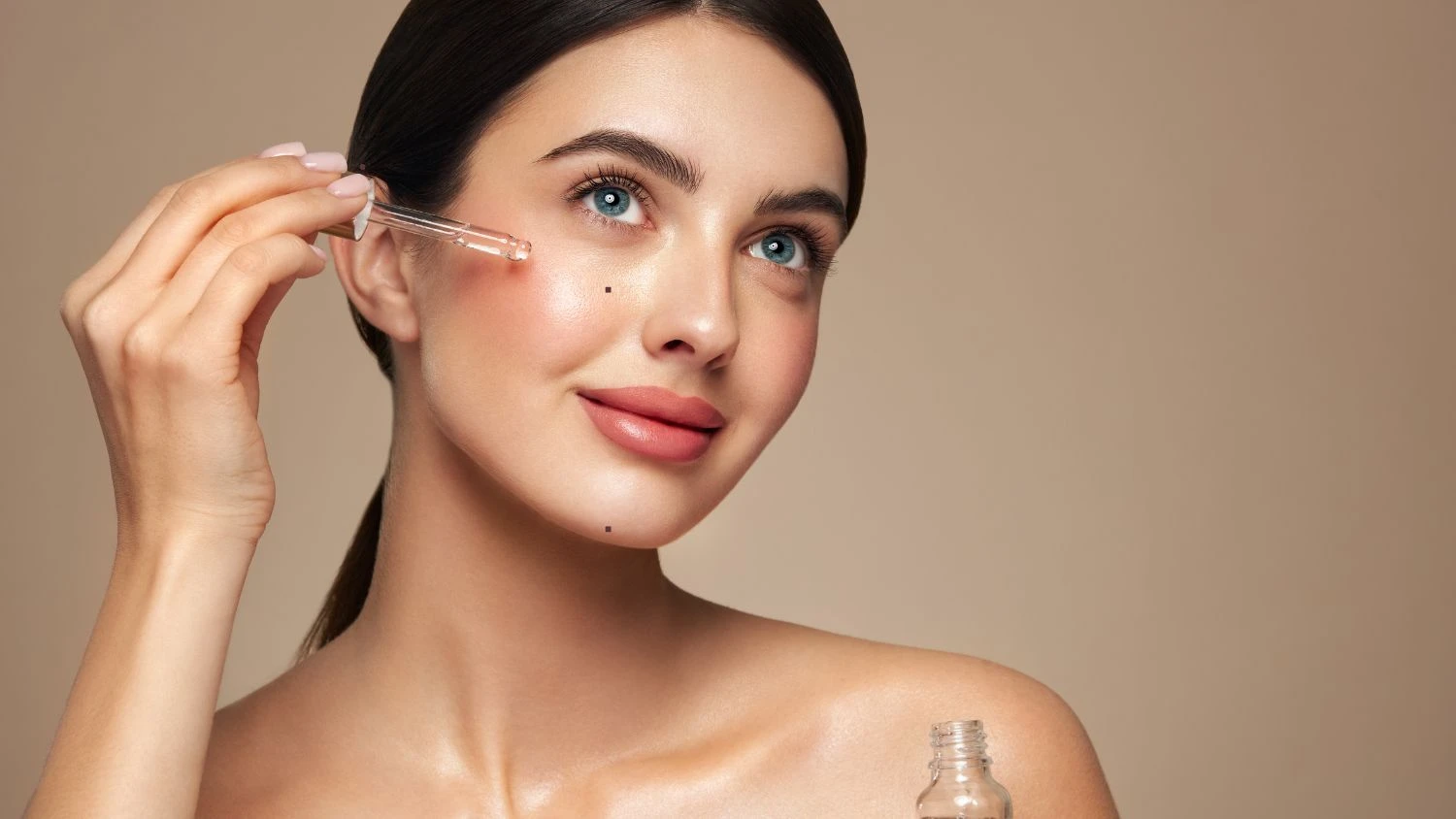
Face serum has become a skincare staple for good reason. This lightweight, concentrated formula delivers powerful active ingredients directly to your skin. Unlike heavier creams, serums penetrate deeper and work faster. They target specific concerns like dark spots, fine lines, and dullness. Whether you're dealing with hyperpigmentation or just want healthier skin, understanding what face serum is and how it works can transform your routine. Let's explore everything you need to know about this skincare essential.
A face serum is a lightweight, liquid skincare product packed with concentrated active ingredients. Think of it as a targeted treatment that delivers specific benefits to your skin. The formula typically contains smaller molecules than regular moisturizers, which means it absorbs faster and penetrates deeper into your skin layers. Most serums have a water-based or oil-based consistency. They feel lighter than creams but more substantial than toners. The key difference lies in their concentration of active ingredients, which can be up to 70% of the formula.
Many people wonder about the difference between serums and moisturizers. While moisturizers focus on hydration and creating a protective barrier, serums target specific skin concerns. Moisturizers contain larger molecules that sit on your skin's surface. Serums have smaller molecules that dive deeper. You should use both products for optimal results. Apply serum first, then follow with moisturizer to lock in the benefits.
The face serum benefits extend far beyond basic skincare. These concentrated formulas deliver results that regular creams simply can't match. Your skin gets a direct dose of powerful ingredients without heavy fillers or unnecessary additives. Serums work faster than traditional products because of their lightweight formula. Most people see improvements within 2-4 weeks of consistent use. The concentrated nature means you need only a few drops per application, making them cost-effective despite higher upfront prices.
Different serums address specific issues. A hyperpigmentation serum contains ingredients like vitamin C, niacinamide, or kojic acid to fade dark spots. Anti-aging serums use retinol or peptides to smooth fine lines. Hydrating serums feature hyaluronic acid to plump and moisturize. The beauty of serums lies in their specificity. You can choose exactly what your skin needs most.
The world of serums offers solutions for virtually every skin concern. Understanding the different types of face serum helps you make the right choice for your specific needs. Each type contains unique ingredients designed to address particular issues. Let's break down the most popular categories and what they can do for your skin.
A vitamin C serum is often called the gold standard for brightening. This powerful antioxidant protects against environmental damage while evening out your skin tone. Most vitamin C serums contain 10-20% L-ascorbic acid or more stable derivatives like magnesium ascorbyl phosphate. Use vitamin C serums in the morning for maximum protection. They work best when followed by sunscreen.
A dedicated serum for dark spots typically contains ingredients like niacinamide, alpha arbutin, or kojic acid. These ingredients work by inhibiting melanin production and promoting cell turnover. Results usually become visible after 6-8 weeks of consistent use. For stubborn hyperpigmentation, look for serums that combine multiple brightening ingredients.
Hyaluronic acid serums provide intense hydration without heaviness. They can hold up to 1000 times their weight in water, making them perfect for all skin types. Retinol serums offer anti-aging benefits but require gradual introduction to avoid irritation. Natural face serum options use plant-based ingredients like rosehip oil, vitamin E, or botanical extracts.
Understanding facial serum ingredients empowers you to make informed choices. The most effective serums contain scientifically proven actives at optimal concentrations. Quality ingredients make the difference between a good serum and a great one. Active ingredients typically make up 5-20% of a serum's formula. The remaining ingredients include stabilizers, preservatives, and delivery systems that help actives penetrate your skin.
Vitamin C comes in several forms, with L-ascorbic acid being the most potent but least stable. Magnesium ascorbyl phosphate offers similar benefits with better stability. Niacinamide (vitamin B3) reduces pore appearance and controls oil production. Hyaluronic acid and sodium hyaluronate provide deep hydration. Alpha hydroxy acids like glycolic acid promote cell turnover, while beta hydroxy acid (salicylic acid) penetrates pores to clear congestion.
Stabilizers like vitamin E prevent active ingredients from breaking down. pH adjusters ensure ingredients remain effective. Penetration enhancers help actives reach deeper skin layers. The best serums balance active ingredients with supporting components for maximum effectiveness and minimal irritation.
Knowing how to use face serum properly ensures you get the best results from your investment. Proper application technique and timing make a significant difference in effectiveness. Most people use too much product or apply it incorrectly, reducing its benefits. Start with clean, slightly damp skin for better absorption. Apply serums before heavier products like moisturizers and oils.
Cleanse your face thoroughly and pat dry, leaving skin slightly damp. Dispense 2-3 drops of serum onto your fingertips or palm. Gently press and pat the serum into your skin, avoiding rubbing or pulling motions. Wait 5-10 minutes before applying moisturizer. This allows the serum to fully absorb and prevents pilling.
Most serums can be used daily, but start with every other day if you have sensitive skin. Vitamin C works best in the morning, while retinol should be used at night. Always follow with sunscreen during the day, especially when using exfoliating ingredients. Layer multiple serums from thinnest to thickest consistency if using more than one.
Finding the best face serum depends on your specific skin type and concerns. What works for your friend might not work for you. Consider your skin's current condition, sensitivity level, and primary concerns when making your choice. Start with one serum targeting your biggest concern, then add others gradually if needed.
Oily skin benefits from lightweight, water-based serums with niacinamide or salicylic acid. Dry skin needs hydrating serums with hyaluronic acid or ceramides. Sensitive skin should start with gentle ingredients like niacinamide or vitamin E. Combination skin can use different serums on different areas or alternate between products.
For hyperpigmentation, choose serums with vitamin C, niacinamide, or alpha arbutin. Anti-aging concerns call for retinol, peptides, or growth factors. Acne-prone skin benefits from salicylic acid or benzoyl peroxide serums. Dullness responds well to vitamin C or glycolic acid formulations.
Face serum delivers concentrated active ingredients directly to your skin. It targets specific concerns like dark spots, fine lines, or dehydration more effectively than regular moisturizers. The lightweight formula penetrates deeper and works faster than heavier creams.
Most serums are safe for daily use, but start slowly if you're new to active ingredients. Begin with every other day and gradually increase frequency as your skin adjusts. Always follow product instructions and listen to your skin's response.
Always apply serum before moisturizer. The lightweight serum needs to penetrate your skin first, then the moisturizer seals in the benefits and provides hydration. This layering order ensures maximum effectiveness.
Most people notice improvements within 2-4 weeks of consistent use. Hydrating serums show results fastest, often within days. Brightening and anti-aging serums typically take 6-12 weeks for significant visible changes.
You can layer different serums, but avoid mixing them directly. Apply the thinnest consistency first, wait for absorption, then apply the next. Some ingredients don't play well together, so research compatibility or consult a skincare professional.
Face serum represents a powerful addition to any skincare routine. These concentrated formulas deliver targeted results that regular products simply can't match. Whether you're addressing hyperpigmentation, aging, or dehydration, there's a serum designed for your specific needs. Remember to start slowly, especially with active ingredients. Consistency matters more than using multiple products at once. Choose quality formulations with proven ingredients, and always follow with sunscreen during the day. Your skin will thank you for the targeted care and attention that only a well-chosen serum can provide.
