


What Causes Sweat Rash? Your FAQ on Heat Rash & Prickly Heat
Your Cart
0You May Also Like
Summer heat and humidity can turn your daily routine into a sweaty ordeal. But when that sweat gets trapped under your skin, it creates an uncomfortable condition called sweat rash or heat rash. This common skin irritation affects millions of people, especially in hot climates like India. Understanding what causes sweat rash helps you prevent it and treat it effectively when it does occur.
Sweat rash, medically known as miliaria, happens when your sweat ducts get blocked. Normally, sweat travels from deep glands through tiny ducts to reach your skin's surface. When these ducts become clogged with dead skin cells or bacteria, sweat gets trapped underneath your skin.
There are three main types of heat rash. Miliaria crystallina appears as clear, tiny blisters that break easily. Miliaria rubra shows up as red bumps with intense itching - this is what most people call prickly heat. Miliaria profunda is the deepest and most serious form, creating flesh-colored bumps that don't itch but can cause heat exhaustion.
Several factors work together to create the perfect storm for sweat rash development. Understanding these triggers helps you avoid them and keep your skin comfortable during hot weather.
Dead skin cells naturally shed from your body every day. In hot, humid conditions, these cells can stick together and plug your sweat ducts. When sweat can't escape normally, it builds up under your skin and creates those characteristic bumps and blisters.
Hot, humid weather creates ideal conditions for prickly heat. Temperatures above 30°C combined with high humidity make you sweat more while slowing evaporation. Poor air circulation indoors, especially in crowded spaces, can trigger symptoms even when it's not extremely hot outside.
Tight synthetic fabrics trap heat and moisture against your skin. Areas where clothing rubs repeatedly - like waistbands, bra lines, and collar areas - are especially prone to developing itchy rash. Skin-on-skin contact in body folds creates similar friction and heat buildup.
Trapped moisture creates perfect breeding conditions for bacteria and yeast. These microorganisms can worsen skin inflammation and turn a simple heat rash into a more serious infection requiring medical treatment.
Recognizing sweat rash symptoms early helps you treat the condition before it worsens. The signs vary depending on which type of heat rash you have and how severe it becomes.
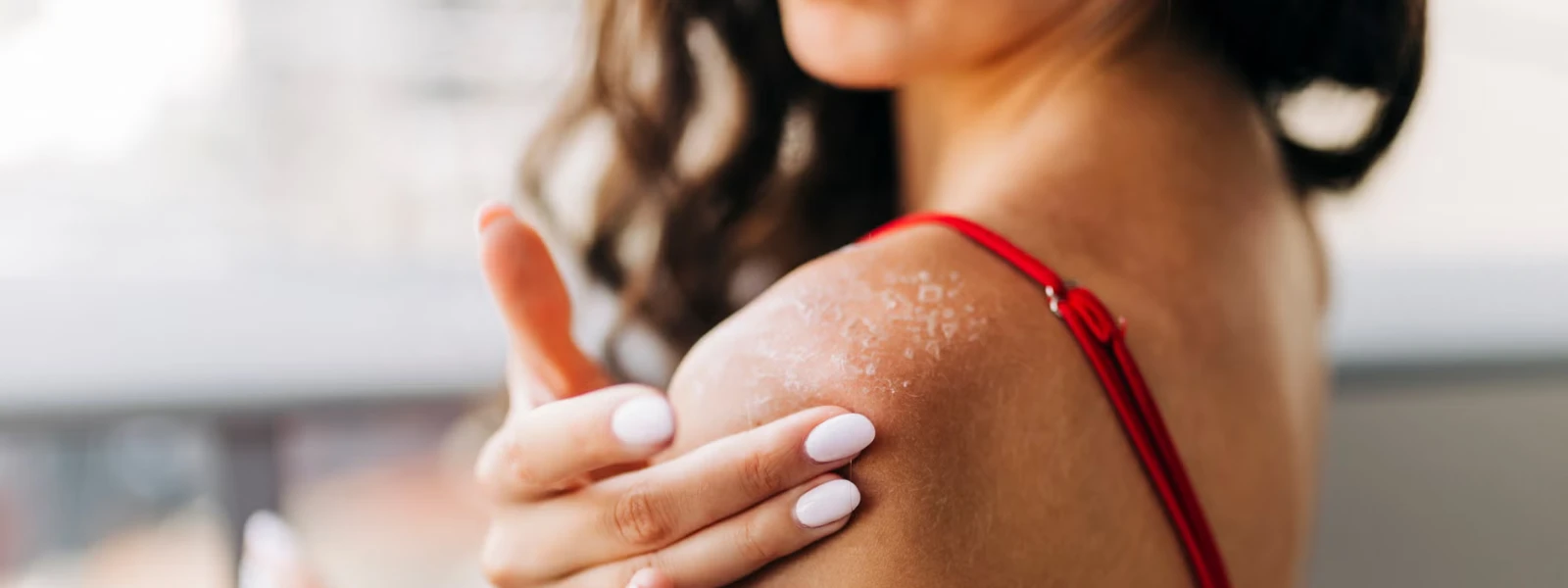
Small red bumps are the most common sign of heat rash. You might also see tiny blisters filled with clear fluid. The affected area often feels prickly, itchy, or like it's burning - that's where the name "prickly heat" comes from.
Your neck, chest, and back are prime spots for heat rash because they produce lots of sweat. Underarms and groin areas stay warm and moist, making them vulnerable too. Any place where skin folds or clothing creates friction can develop symptoms.
Watch for signs that your rash needs medical attention. Pus-filled bumps, red streaking, fever, or a rash that spreads rapidly could indicate bacterial infection. If symptoms persist for more than a week despite treatment, see a healthcare provider.
Quick action can provide relief from sweat rash discomfort. The key is cooling your skin and removing excess moisture that's causing the problem.
Move to an air-conditioned space immediately if possible. Take a cool shower or bath to lower your body temperature and wash away sweat and bacteria. Apply cold compresses for 15-20 minutes to reduce inflammation and provide instant relief.
Remove tight, synthetic clothing right away. Switch to loose-fitting cotton garments that allow air to circulate around your skin. Avoid wearing anything that might rub against the affected areas until the rash heals.
Gently cleanse the area with mild soap and cool water. Pat your skin dry instead of rubbing, which can worsen irritation. Apply talcum powder or cornstarch to absorb excess moisture and prevent further duct blockage.
Prevention is always better than treatment when it comes to skin irritation. Simple lifestyle changes can dramatically reduce your risk of developing heat rash during hot weather.
Choose moisture-wicking fabrics that pull sweat away from your skin. Cotton and bamboo are excellent natural options. Schedule outdoor activities during cooler morning or evening hours when possible.
Use fans and air conditioning to maintain comfortable indoor temperatures. Keep humidity levels below 60% in your living spaces. If you work outdoors, take frequent breaks in shaded or air-conditioned areas.
Use gentle, fragrance-free cleansers that won't irritate sensitive skin. Pay special attention to drying skin folds completely after bathing. Consider using antiperspirants on areas prone to excessive sweating, but avoid them on already irritated skin.
While most heat rashes heal without lasting effects, some people develop dark spots where the rash occurred. This hyperpigmentation from rash is especially common in people with darker skin tones.
When your skin becomes inflamed from heat rash, it produces extra melanin as part of the healing process. This post-inflammatory hyperpigmentation can persist for weeks or months after the original rash disappears.
Protect healing skin from sun exposure, which can worsen pigmentation. Use gentle exfoliation techniques once the acute inflammation subsides. For persistent dark spots, consider products with ingredients like kojic acid or niacinamide that help fade pigmentation safely.
Cool your skin immediately with air conditioning or cold compresses. Keep the area clean and dry, wear loose cotton clothing, and apply calamine lotion for itching. Most cases resolve within 2-4 days with proper care.
You may have naturally narrow sweat ducts that block easily, or your skin might be more sensitive to heat and moisture. Some people are genetically predisposed to developing miliaria in hot, humid conditions.
Mild heat rash typically clears up in 2-4 days once you cool down and keep the area dry. Deeper forms of miliaria may take a week or longer to heal completely.
No, heat rash is caused by blocked sweat ducts, while fungal infections result from yeast overgrowth. However, persistent moisture from sweat rash can lead to secondary fungal infections that require different treatment.
Heat rash can trigger post-inflammatory hyperpigmentation, especially in people with darker skin. These spots usually fade over time but may take several months to completely disappear.
Avoid heavy moisturizers during the acute phase as they can trap more heat and moisture. Once healing begins, use light, non-comedogenic products to prevent skin dryness without clogging pores.
Understanding what causes sweat rash empowers you to prevent and treat this uncomfortable condition effectively. The key is keeping your skin cool, dry, and free from friction during hot weather. While most cases resolve quickly with simple home care, don't hesitate to seek medical attention if symptoms worsen or persist. With proper prevention strategies, you can enjoy warm weather without worrying about developing painful, itchy heat rash.
