


What Causes PIH Fast? Your FAQ on Hyperpigmentation
Your Cart
0You May Also Like
Post-inflammatory hyperpigmentation, or PIH, can appear seemingly overnight after a breakout or skin injury. If you've ever wondered what causes PIH fast, you're not alone. This frustrating skin condition affects millions, especially those with medium to darker skin tones.
Understanding the triggers behind rapid PIH development can help you prevent those stubborn dark spots before they form. Let's dive into the science behind hyperpigmentation and explore why some people develop these marks so quickly while others don't.
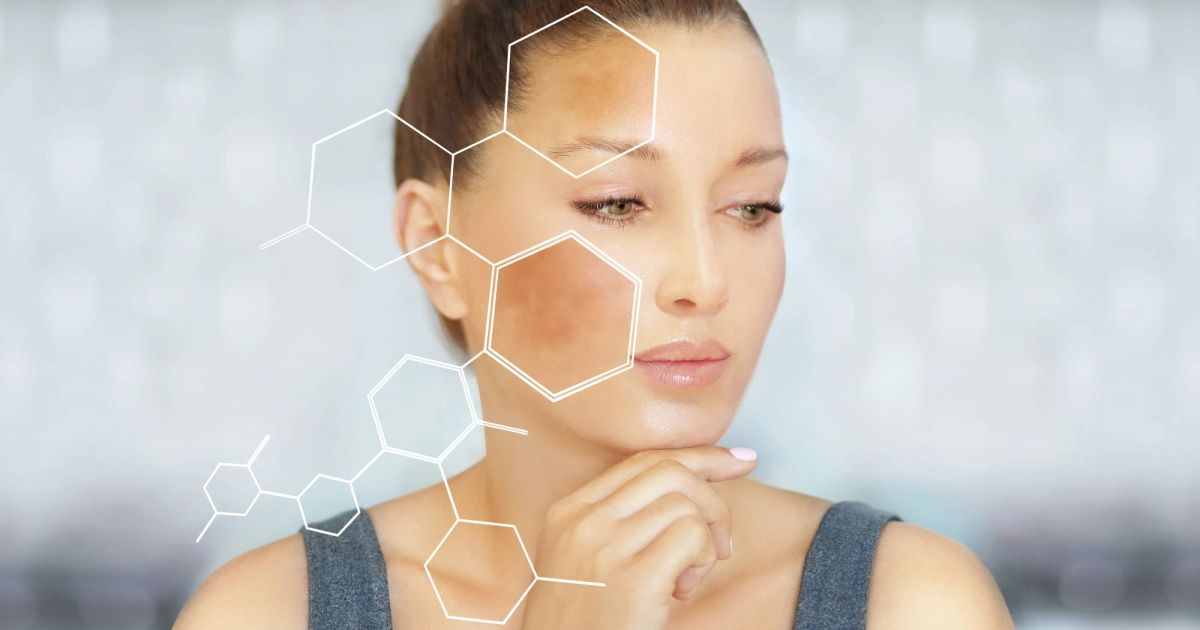
Post-inflammatory hyperpigmentation occurs when your skin produces excess melanin in response to inflammation or injury. Think of it as your skin's overprotective response to trauma. When cells get damaged, they send signals that trigger melanocytes to pump out more pigment than needed.
Unlike melasma or sun spots, PIH appears as flat, dark patches exactly where inflammation occurred. These marks can range from light brown to deep black, depending on your natural skin tone. The deeper your skin color, the more noticeable PIH tends to become. This happens because darker skin naturally contains more melanin, so when production goes into overdrive, the contrast becomes more dramatic.
Several factors can trigger rapid PIH development. The speed depends on how severe the initial inflammation was and how your individual skin responds to trauma. Some people notice darkening within days, while others see changes over weeks.
Acne is the most common cause of PIH, especially when pimples are squeezed or picked. The inflammation from a breakout already triggers melanin production.
When you pick at acne, you create additional trauma that makes the response even stronger. This explains why acne scars hyperpigmentation often appears darker than the original pimple ever was.
Any injury that breaks the skin can lead to PIH. Cuts, scrapes, burns, and even insect bites can trigger the inflammatory response. The key factor is inflammation intensity. A deep cut will likely cause more noticeable PIH than a surface scratch.
Conditions like eczema, dermatitis, and psoriasis create ongoing inflammation that can lead to persistent PIH. Even razor bumps from shaving can cause post-inflammatory hyperpigmentation in sensitive areas. These conditions are particularly problematic because they involve repeated inflammation in the same spots.
Your genetics play a huge role in PIH susceptibility. Some people have naturally reactive melanocytes that respond quickly to any sign of inflammation. Others have more stable pigment production that doesn't fluctuate as dramatically.
Hormonal changes also influence how fast PIH develops. During pregnancy, menstruation, or when taking certain medications, your skin becomes more reactive. Sun exposure acts like fuel on fire, making existing inflammation worse and speeding up the darkening process. Age matters too - younger skin tends to heal faster, but it can also react more dramatically to trauma.
Understanding the various types of hyperpigmentation causes helps you identify what you're dealing with. Each type has distinct triggers and characteristics that affect treatment approaches.
Melasma appears as symmetrical patches, usually on the face. Melasma causes include hormonal fluctuations from pregnancy, birth control pills, or hormone replacement therapy. Sun exposure activates dormant melasma, which is why it's often called the "mask of pregnancy."
Also called age spots or solar lentigines, these develop from cumulative UV damage over years. Unlike PIH, sun spots causes relate purely to photodamage rather than inflammation. They appear gradually and tend to be lighter brown than PIH marks.
Certain medications can cause skin darkening causes unrelated to inflammation. Antimalarials, chemotherapy drugs, and some antibiotics can trigger pigmentation changes. This type usually affects larger areas rather than specific spots.
PIH can start forming within 24-48 hours of initial inflammation. You might notice slight darkening around a healing pimple or cut within the first few days. The darkening typically peaks around 2-4 weeks after the initial injury, then begins a slow fading process.
Several factors affect development speed. Deeper inflammation creates faster, more intense PIH. Sun exposure during the healing process accelerates darkening significantly. Your skin type also matters - those with naturally higher melanin content tend to develop PIH faster and more intensely than those with lighter skin tones.
The best approach to PIH is prevention. Once you understand hyperpigmentation triggers, you can take steps to minimize your risk. This involves both immediate wound care and long-term skin protection strategies.
When you have active acne or skin injury, avoid picking or touching the area. Keep wounds clean and moisturized to promote proper healing. Apply sunscreen religiously, even on cloudy days, as UV exposure during healing dramatically worsens PIH formation.
Establish a gentle skincare routine that doesn't irritate your skin. Use products with anti-inflammatory ingredients like niacinamide. Address underlying skin conditions promptly to prevent chronic inflammation. Most importantly, make broad-spectrum sunscreen a non-negotiable part of your daily routine.
Yes, PIH typically fades naturally over 6-12 months, though deeper marks can take up to two years. The fading process depends on the mark's depth, your skin type, and whether you protect the area from sun exposure. Consistent sunscreen use significantly speeds up natural fading.
While you can't prevent all PIH, you can dramatically reduce your risk. Avoid picking at acne, treat skin conditions promptly, and use sunscreen daily. Gentle skincare routines and quick treatment of inflammation help minimize PIH severity when it does occur.
Continued sun exposure is the most common reason PIH worsens instead of fading. UV rays stimulate more melanin production in already-darkened areas. Ongoing inflammation from picking or harsh products can also prevent healing and make marks darker.
PIH appears as flat, dark spots that are purely pigmentation changes. Acne scars involve actual tissue damage, creating raised or depressed areas on the skin. PIH will fade over time, while true scars require professional treatment to improve their appearance.
PIH appears exactly where inflammation occurred and has irregular shapes. Melasma typically shows up as symmetrical patches on both sides of the face, often triggered by hormonal changes rather than specific injuries or breakouts.
Yes, medium to darker skin tones are more prone to PIH because they naturally produce more melanin. When inflammation triggers excess production, the contrast becomes more noticeable. However, all skin tones can develop PIH under the right circumstances.
Understanding what causes PIH fast empowers you to take control of your skin health. The key lies in recognizing that PIH results from your skin's inflammatory response, not the original injury itself.
By minimizing inflammation, protecting healing skin from sun exposure, and avoiding trauma like picking, you can significantly reduce your risk of developing these stubborn dark spots.
Remember that prevention is always easier than treatment, so focus on gentle skincare practices and consistent sun protection to keep your skin tone even and healthy.
