


Vitamin C and Sunscreen for Pigmentation FAQ: Your Questions Answered
Your Cart
0You May Also Like
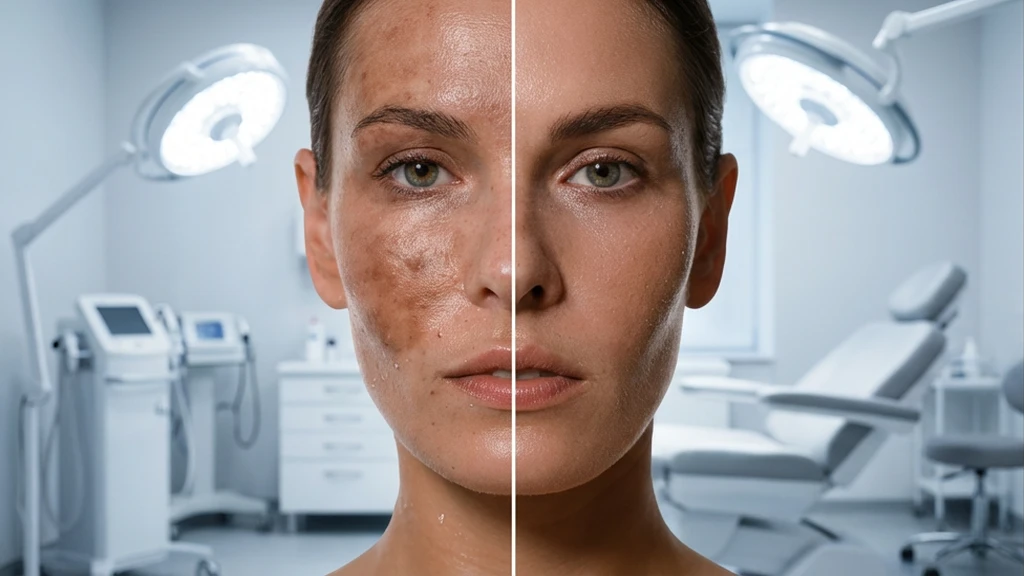
Dark spots and uneven skin tone can feel like an uphill battle, especially when you're trying everything but not seeing results. Here's the thing - most people focus on either vitamin c for hyperpigmentation or sunscreen alone, missing the powerful synergy that happens when you combine both. Think of it like this: vitamin C works to fade existing spots while sunscreen prevents new ones from forming. It's not just about using two good products; it's about creating a defense system that tackles pigmentation from every angle. When you understand why this combination works so well together, you'll see why dermatologists consistently recommend this duo for anyone serious about achieving clearer, more even-toned skin.
The magic happens at the cellular level when you combine vitamin c for hyperpigmentation with proper sun protection. Vitamin C works by inhibiting the tyrosinase enzyme, which is responsible for melanin production in your skin. Meanwhile, sunscreen creates a protective barrier that prevents UV rays from triggering new melanin formation in the first place.
Studies show that combining vitamin c and spf can improve pigmentation results by up to 40% compared to using either ingredient alone. This happens because vitamin C provides antioxidant protection against free radicals generated by UV exposure, while sunscreen physically blocks the UV rays that cause oxidative stress.
When UV rays hit your skin, they trigger a cascade of reactions that lead to dark spot formation. Vitamin C interrupts this process by neutralizing free radicals and blocking melanin synthesis. Sunscreen prevents the initial UV damage that starts this whole chain reaction.
Most people start seeing improvements in their pigmentation within 4-6 weeks of consistent use. However, deeper melasma or post-inflammatory hyperpigmentation may take 8-12 weeks to show significant fading. The key is consistency - skipping either vitamin C or sunscreen can set back your progress.
Understanding how vitamin c helps skin pigmentation starts with knowing what causes dark spots in the first place. Your skin produces melanin as a protective response to various triggers - UV exposure, inflammation, hormonal changes, or injury. Vitamin C works by targeting multiple steps in this melanin production pathway.
L-ascorbic acid, the most potent form of vitamin C, directly inhibits tyrosinase activity. This enzyme is like the master switch for melanin production. When you apply a vitamin c serum for dark spots, you're essentially turning down this switch, reducing the amount of new pigment your skin creates.
L-ascorbic acid remains the gold standard for pigmentation treatment, typically effective at concentrations between 10-20%. Magnesium ascorbyl phosphate and sodium ascorbyl phosphate are gentler alternatives that work well for sensitive skin, though they may take longer to show results.
Vitamin C doesn't just fade dark spots - it also boosts collagen production, which improves overall skin texture and helps reduce the appearance of acne scars. This dual benefit makes it particularly valuable for those dealing with both pigmentation and textural concerns.
Many people underestimate the sunscreen benefits for dark spots, thinking it only prevents new damage. The truth is, proper sun protection is crucial for allowing existing treatments to work effectively. Without adequate SPF, even the most potent vitamin C serum will struggle to make lasting improvements.
UV radiation doesn't just cause new dark spots - it also darkens existing ones. This is why you might notice your pigmentation getting worse during summer months or after vacation, even if you're using brightening products. The best sunscreen for pigmentation should offer broad-spectrum protection with at least SPF 30.
Physical sunscreens containing zinc oxide or titanium dioxide are often gentler for sensitive, pigmented skin. They work immediately upon application and are less likely to cause irritation that could worsen post-inflammatory hyperpigmentation.
Even the best sunscreen loses effectiveness throughout the day. For optimal pigmentation prevention, reapply every 2-3 hours, especially if you're spending time near windows or outdoors. This consistent protection is what separates successful pigmentation treatment from disappointing results.
Setting realistic expectations for skin brightening with vitamin c is crucial for staying motivated during your pigmentation journey. The first changes you'll notice are usually improved skin radiance and a more even complexion, which can happen within 2-3 weeks of consistent use.
For specific dark spots, the fading process follows a predictable pattern. Surface-level pigmentation from recent sun damage typically responds fastest, while deeper melasma or long-standing post-inflammatory hyperpigmentation requires more patience. Topical vitamin c for melasma works best as part of a comprehensive treatment plan that includes prescription treatments and professional guidance.
Post-inflammatory hyperpigmentation from acne usually shows improvement within 6-8 weeks. Sun spots and age spots may take 8-12 weeks to fade noticeably. Melasma is the most challenging and may require 3-6 months of consistent treatment to see significant improvement.
Mastering sun protection for uneven skin tone goes beyond just applying sunscreen. The sequence and timing of your morning routine can significantly impact how well your products work together. Always apply vitamin C first, wait 10-15 minutes for absorption, then follow with sunscreen.
This waiting period allows the vitamin C to penetrate your skin properly without being diluted by sunscreen. It also prevents potential interactions between ingredients that could reduce effectiveness. Preventing sun damage and pigmentation requires this level of attention to detail in your routine.
Don't forget about UV exposure from windows, especially if you work near them or spend time in cars. UVA rays, which contribute significantly to pigmentation, can penetrate glass. Apply sunscreen even on days when you're mostly indoors.
Your sun protection needs change with the seasons. Summer may require higher SPF and more frequent reapplication, while winter still demands consistent daily use. Many people make the mistake of relaxing their routine during cooler months, which can undo months of progress.
Yes, vitamin C can significantly reduce hyperpigmentation, but it's not a magic eraser. Clinical studies show that consistent use of vitamin C can fade dark spots by 20-40% over 8-12 weeks. The key is using the right concentration (10-20% L-ascorbic acid) and combining it with sun protection for optimal results.
Absolutely. Vitamin C and sunscreen create a synergistic effect where vitamin C fades existing pigmentation while sunscreen prevents new dark spots from forming. Studies show this combination can improve results by up to 40% compared to using either product alone. Without sunscreen, vitamin C's benefits are constantly being undermined by new UV damage.
Both are effective for pigmentation, but they work differently. Vitamin C is generally gentler and provides additional antioxidant benefits, while kojic acid can be more potent for stubborn dark spots but may cause irritation in some people. Many dermatologists recommend using them together in alternating routines for maximum effectiveness.
Daily vitamin C use is generally safe and recommended for pigmentation treatment. You'll gradually build tolerance, and your skin will become more resilient to environmental damage. Start with lower concentrations (10%) and gradually increase if needed. Some people may experience initial mild irritation, which usually subsides within 1-2 weeks.
Vitamin C serum brightens skin, fades dark spots, boosts collagen production, and provides antioxidant protection. You'll notice improved radiance within 2-3 weeks, with dark spot fading becoming visible after 4-6 weeks of consistent use. It also helps protect against pollution and environmental stressors throughout the day.
Apply vitamin C serum to clean, dry skin every morning. Start with 2-3 drops, gently pat into skin, and wait 10-15 minutes before applying sunscreen. Begin with every other day for the first week, then increase to daily use as your skin adjusts. Always follow with broad-spectrum SPF 30 or higher for best results.
The combination of vitamin C and sunscreen isn't just a skincare trend - it's a scientifically-backed approach to tackling pigmentation effectively. While vitamin C works to fade existing dark spots and prevent new ones from forming, sunscreen ensures that your progress isn't constantly being undone by UV damage. Remember, consistency is everything when it comes to pigmentation treatment.
Start with realistic expectations, be patient with the process, and don't skip the sunscreen step. Your skin will thank you with clearer, more even-toned results that last. The key is understanding that pigmentation treatment is a marathon, not a sprint, and having the right combination of active ingredients and protection makes all the difference in reaching your skin goals.
