


Uneven Skin Tone: Your Complete Guide to Correction
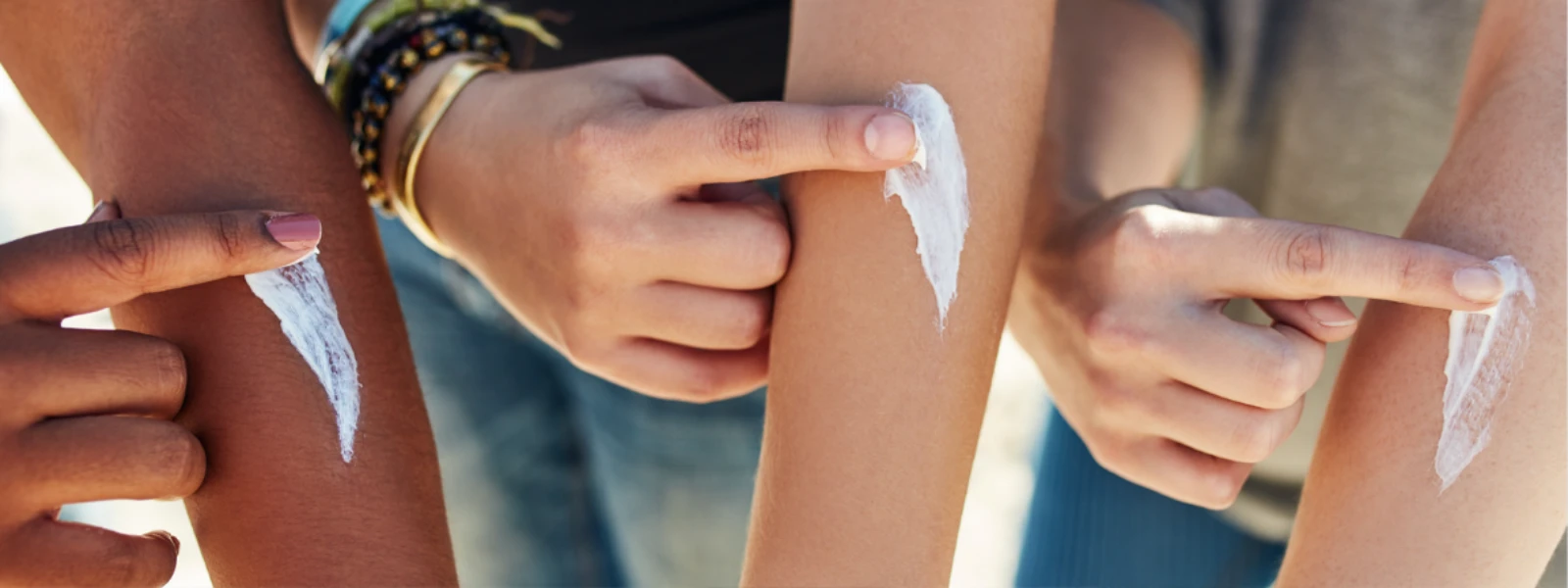
Achieving an even skin tone across your body can feel like an uphill battle, especially when dealing with stubborn dark spots, discoloration, and patches that seem to appear out of nowhere. Whether you're struggling with post-acne marks, sun damage, or hormonal changes that have left their mark, understanding how to maintain even body skin tone is the first step toward regaining your confidence. The good news? With the right approach, consistent care, and proven techniques, you can work toward the smooth, uniform complexion you've been dreaming of. Let's dive into everything you need to know about correcting and preventing uneven skin tone on your body.
Uneven skin tone, also known as skin discoloration, occurs when certain areas of your skin produce more or less melanin than others. This creates patches, spots, or areas that appear darker or lighter than your natural complexion. While it's completely normal and affects people of all skin types, it can impact how you feel about your appearance. The most common types of uneven skin tone include hyperpigmentation (dark spots), melasma (larger patches often triggered by hormones), age spots from sun exposure, and post-inflammatory marks left behind by acne or injuries. Your body skin faces unique challenges compared to your face, including larger surface areas, different thickness levels, and varying exposure to friction from clothing.
Melanin is the pigment responsible for your skin color, and when production becomes unbalanced, it leads to visible discoloration. Factors like UV exposure, hormonal fluctuations, inflammation, and genetics all influence how your skin produces melanin. Understanding this process helps you choose the right treatments and prevention strategies.
Learning how to maintain even body skin tone starts with establishing consistent daily habits that support healthy skin cell turnover and protect against further damage. Your routine doesn't need to be complicated, but it does need to be regular. Start with gentle cleansing using a body wash that won't strip your skin's natural barrier. Follow with a moisturizer that contains beneficial ingredients like vitamin C, niacinamide, or alpha arbutin. These ingredients work gradually to brighten existing discoloration while preventing new spots from forming.
Several natural ingredients have proven effective for skin tone correction. Vitamin C acts as an antioxidant while inhibiting melanin production. Kojic acid, derived from fungi, helps fade dark spots over time. Licorice extract contains glabridin, which can help reduce pigmentation without irritating sensitive skin.
When natural methods aren't enough, professional hyperpigmentation treatment options can provide more dramatic results. These treatments work by either removing the top layers of discolored skin or targeting melanin production at a deeper level. Topical treatments prescribed by dermatologists often contain higher concentrations of active ingredients like retinoids, hydroquinone, or azelaic acid. Chemical peels designed for body use can help remove damaged skin layers, while laser treatments target specific pigmented areas with precision.
Most pigmentation reduction treatments require patience and consistency. Topical treatments typically show initial results after 6-8 weeks of regular use, while more significant improvements may take 3-6 months. Professional treatments often work faster but may require multiple sessions for optimal results.
Preventing further skin discoloration is just as important as treating existing issues. Sun protection forms the foundation of any effective skin tone maintenance routine. UV rays trigger melanin production and can darken existing spots while creating new ones. Apply broad-spectrum SPF 30 or higher to all exposed body areas daily, not just when you plan to spend time outdoors. Reapply every two hours, especially if you're swimming or sweating. Consider protective clothing for extended sun exposure, and remember that UV rays can penetrate windows and reflect off surfaces.
Creating an effective routine for even skin tone remedies involves layering products strategically and choosing formulations that work well together. Your morning routine should focus on protection and gentle treatment, while evenings are ideal for more intensive repair work. Start with a gentle cleanser, apply any treatment serums to damp skin, follow with moisturizer, and finish with sunscreen during the day. In the evening, you can incorporate stronger active ingredients or treatments that make your skin more photosensitive.
Different areas of your body may require different approaches. Areas like elbows, knees, and underarms tend to be darker naturally and may need gentler, more consistent treatment. Areas frequently exposed to sun, like arms and décolletage, benefit from extra antioxidant protection.
Most people begin noticing improvements in skin brightening after 4-6 weeks of consistent treatment. Significant changes typically occur after 3-6 months, depending on the severity of discoloration and treatment method used.
While many face products are safe for body use, they're often more expensive and may not be practical for larger areas. Look for body-specific formulations that offer similar active ingredients in more cost-effective packaging.
Hyperpigmentation is a general term for any darkening of the skin, while melasma specifically refers to larger, symmetrical patches often triggered by hormonal changes. Melasma typically requires more specialized treatment approaches.
Some natural ingredients can help with mild discoloration, but dark spots removal often requires more potent treatments. Natural remedies work best as supportive measures alongside proven active ingredients.
Consistent sun protection, gentle skincare practices, and maintaining a routine with proven ingredients help prevent new discoloration. Address inflammation quickly and avoid picking at blemishes or irritated areas.
Achieving and maintaining even body skin tone requires a combination of prevention, treatment, and patience. Focus on consistent daily care with proven ingredients, protect your skin from further damage with proper sun protection, and don't hesitate to seek professional help for stubborn areas. Remember that everyone's skin responds differently to treatments, so what works for others may need adjustment for your specific needs. With dedication and the right approach, you can work toward the smooth, even complexion uniformity you desire while building habits that support long-term skin health.
