


Uneven Skin Tone: Your Complete Guide to Clear Skin
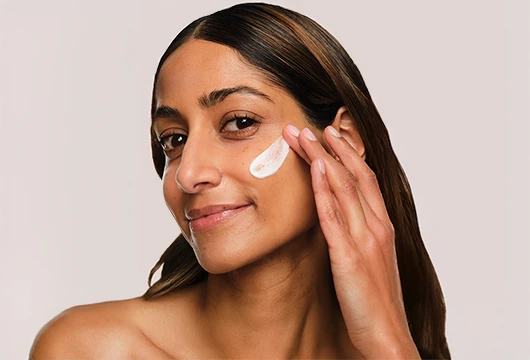
Dealing with uneven skin tone can feel overwhelming, especially when you're not sure where to start. Whether you're battling dark spots, redness, or general discoloration, achieving that smooth, radiant complexion you've always wanted is absolutely possible. The key lies in understanding what's causing your specific skin concerns and choosing the right approach for your unique needs. From gentle natural remedies to targeted professional treatments, there are countless ways to transform your skin and boost your confidence along the way.
Uneven skin tone happens when melanin production becomes irregular across your face and body. This creates patches of darker or lighter areas that can make your complexion look blotchy or dull. The good news is that once you understand what's behind your specific concerns, you can tackle them head-on. Hyperpigmentation treatment needs vary depending on the type of discoloration you're experiencing. Post-inflammatory hyperpigmentation often appears after acne breakouts, while melasma typically shows up as symmetrical patches on the cheeks and forehead. Age spots tend to develop from years of sun exposure, creating small, concentrated areas of darkness. Hormonal changes play a huge role in how dark spots on face formation occurs. Pregnancy, birth control, and hormonal fluctuations can trigger melasma and other forms of discoloration. Environmental factors like UV exposure, pollution, and even blue light from screens can worsen existing issues and create new ones.
Melasma appears as brown or gray patches, usually on the face. It's often called the "pregnancy mask" because hormonal changes frequently trigger it. Post-inflammatory hyperpigmentation shows up as dark spots where acne or injuries once were. Age spots are small, flat areas that develop from cumulative sun damage over time.
Starting your journey with gentle, natural approaches can be incredibly effective for mild to moderate skin concerns. Natural remedies for hyperpigmentation work by gently encouraging cell turnover and providing antioxidants that help repair damaged skin. Vitamin C-rich ingredients like lemon juice, orange peels, and rosehip oil can help brighten your complexion over time. However, always dilute citrus ingredients and use them carefully, as they can increase sun sensitivity. A simple turmeric and honey mask can reduce inflammation while gently evening out your skin tone. The key to how to brighten skin naturally lies in consistency and patience. Oatmeal masks provide gentle exfoliation while soothing irritated skin. Raw honey acts as a natural humectant and has antibacterial properties that can prevent future breakouts that lead to dark spots.
Mix equal parts turmeric powder and plain yogurt for a brightening mask. Leave it on for 15 minutes before rinsing with cool water. For gentle exfoliation, blend oatmeal with a little water to create a paste, then massage it onto damp skin in circular motions.
Drinking plenty of water helps flush toxins and keeps your skin hydrated from within. Getting enough sleep allows your skin to repair itself naturally. Eating foods rich in antioxidants, like berries and leafy greens, provides the nutrients your skin needs to heal and regenerate.
When natural remedies aren't enough, incorporating proven active ingredients can accelerate your results significantly. The best products for even skin tone contain ingredients like vitamin C, niacinamide, and retinoids that have extensive research backing their effectiveness. Vitamin C serums work by inhibiting melanin production and providing antioxidant protection against environmental damage. Niacinamide helps regulate oil production while reducing inflammation and improving skin texture. Retinoids increase cell turnover, helping fade existing dark spots while preventing new ones from forming. When layering products, start with the thinnest consistency and work your way up to thicker formulations. Apply vitamin C in the morning under sunscreen, and use retinoids at night to avoid sun sensitivity. Always introduce new products gradually to prevent irritation.
Drugstore brands often offer effective formulations at accessible prices. Look for products with at least 10% vitamin C or 5% niacinamide for noticeable results. Premium brands may offer more elegant textures and additional beneficial ingredients, but effectiveness doesn't always correlate with price.
Different types of discoloration require tailored approaches for the best results. Learning to reduce redness on face involves using anti-inflammatory ingredients like green tea, chamomile, and centella asiatica. These gentle botanicals calm irritated skin without causing additional sensitivity. For stubborn dark spots on face, consider professional treatments like chemical peels or laser therapy. These procedures can provide faster results than topical treatments alone, especially for deeper pigmentation issues. However, they require proper aftercare and sun protection to prevent complications.
Fresh acne marks respond well to gentle acids like lactic acid or mandelic acid. These help speed up cell turnover without being too harsh on healing skin. Avoid picking at active breakouts to prevent new marks from forming.
Consistent sunscreen use is crucial for preventing new age spots. For existing spots, ingredients like kojic acid and arbutin can help fade them gradually. Professional treatments like IPL (intense pulsed light) can target stubborn spots more aggressively.
Most people notice improvements within 4-6 weeks of consistent treatment. However, deeper pigmentation issues may take 3-6 months to show significant fading. Patience and consistency are key to achieving lasting results.
Yes, but introduce them gradually and pay attention to how your skin responds. Start with one active ingredient for 2-3 weeks before adding another. Some combinations, like vitamin C and retinoids, are best used at different times of day.
Daily sunscreen application is absolutely crucial. UV exposure is the primary cause of most pigmentation issues, so protecting your skin prevents new damage while allowing treatments to work more effectively.
Natural remedies can be effective for mild discoloration and are gentler on sensitive skin. However, professional treatments typically provide faster, more dramatic results for severe pigmentation issues.
Consider professional help if your pigmentation is severe, covers large areas, or doesn't respond to over-the-counter treatments after 3 months. A dermatologist can also rule out any underlying skin conditions.
Achieving even skin tone is a journey that requires patience, consistency, and the right approach for your specific concerns. Whether you choose natural remedies or professional treatments, protecting your skin from further damage with daily sunscreen is essential. Remember that everyone's skin is different, so what works for others might need adjustment for your unique needs. Start with gentle approaches and gradually incorporate stronger treatments as needed. Most importantly, be patient with the process and celebrate the small improvements along the way.
