


Understanding Indian Complexion Pigment: Your FAQ
Your Cart
0You May Also Like
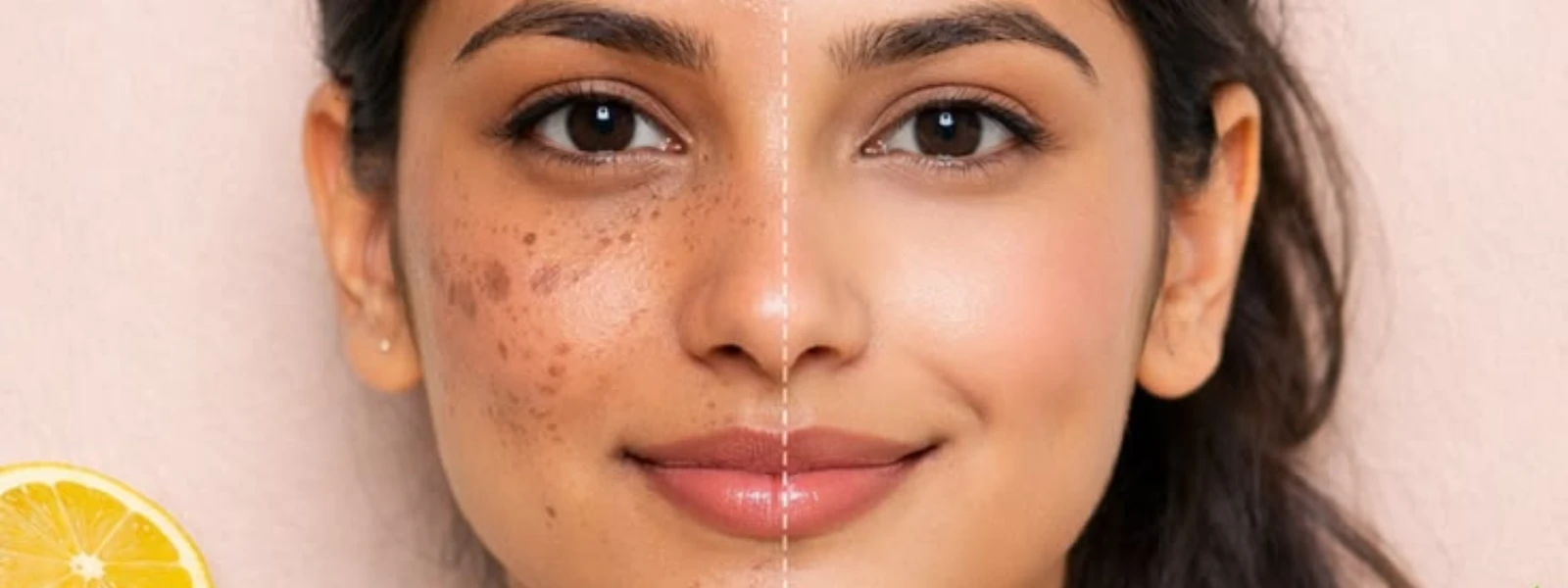
Indian skin possesses unique characteristics that make it both beautiful and complex to understand. With higher melanin content and distinct pigmentation patterns, understanding Indian complexion pigment becomes essential for anyone looking to care for their skin properly. From the bustling streets of Mumbai to the tech hubs of Bengaluru, millions of people navigate daily challenges with hyperpigmentation, dark spots, and uneven skin tone. This comprehensive guide addresses your most pressing questions about Indian skin pigmentation, helping you embrace your natural beauty while addressing specific concerns with science-backed solutions.
Indian skin stands apart from other ethnicities due to its remarkable melanin production and distribution patterns. The science behind these differences reveals why certain skincare approaches work better for Indian complexions. Understanding these unique characteristics helps explain why generic skincare advice often falls short for Indian skin types.
Research shows that Indian skin contains approximately 50% more melanin in Indian skin compared to Caucasian skin types. This higher melanocyte density provides natural UV protection but also makes the skin more reactive to inflammation and trauma.
Higher melanocyte density creates more pigment-producing cells
Enhanced melanin synthesis offers natural SPF 13-15 protection
Fitzpatrick skin types III-V classification covers most Indian complexions
Increased tyrosinase activity leads to faster pigment production
The distribution of eumelanin versus pheomelanin in Indian skin creates distinct pigmentation patterns. Eumelanin, the brown-black pigment, dominates in Indian complexions, while pheomelanin contributes to warmer undertones. Genetic factors inherited from diverse ancestral populations across the Indian subcontinent influence these ratios, creating the beautiful spectrum of skin tone variations we see today.
Indian skin faces unique challenges when it comes to pigmentation issues. The same melanin that provides natural sun protection can become overactive, leading to stubborn dark spots and uneven skin tone. Understanding these triggers helps develop targeted treatment strategies.
Post-inflammatory hyperpigmentation represents the most common concern among Indian skin types. Even minor irritation can trigger excessive melanin production, leaving behind persistent dark marks.
Acne breakouts leading to dark spots and scarring
Hormonal changes during pregnancy or menstrual cycles
Friction from clothing or aggressive scrubbing
Heat and humidity increasing inflammation responses
India's intense UV radiation and pollution levels create perfect conditions for hyperpigmentation causes to flourish. Urban environments expose skin to particulate matter that can trigger inflammatory responses, while rural areas often involve prolonged sun exposure without adequate protection.
Effective treating hyperpigmentation in Indian skin requires gentle yet potent approaches. The key lies in understanding which ingredients work synergistically without causing irritation or paradoxical darkening. Modern Indian skin care has evolved to address these specific needs with clinically proven formulations.
Professional treatments must be carefully calibrated for Indian skin types to avoid post-inflammatory hyperpigmentation. Dermatologists now recommend specific protocols that respect the skin's natural protective mechanisms while addressing pigmentation concerns.
Daily pigment correction routines focus on gentle exfoliation, targeted serums, and consistent sun protection. Ingredients like kojic acid, niacinamide, and vitamin C have shown excellent results for Indian skin when used in appropriate concentrations and combinations.
Morning vitamin C serums for antioxidant protection
Evening kojic acid treatments for spot targeting
Broad-spectrum sunscreens with SPF 30 or higher
Gentle chemical exfoliants twice weekly
Safe skin brightening focuses on evening out skin tone rather than dramatically altering natural complexion. This approach celebrates the inherent beauty of Indian skin while addressing specific concerns like dark spots and dullness. The goal remains achieving healthy, radiant skin that reflects your natural beauty.
Consistency trumps intensity when it comes to addressing pigmentation in Indian skin. A well-structured routine incorporates multiple mechanisms of action while maintaining skin barrier integrity.
Indian skin pigmentation refers to the unique melanin distribution patterns found in people of Indian descent. This includes higher melanocyte density, increased eumelanin production, and specific genetic variations that create the diverse range of complexions seen across the Indian subcontinent. The pigmentation provides natural UV protection but can also lead to increased reactivity and post-inflammatory hyperpigmentation.
Indian skin contains more active melanocytes that respond quickly to inflammation, trauma, or hormonal changes. This heightened reactivity means that even minor irritation can trigger excessive melanin production, leading to persistent dark spots. The combination of genetic predisposition and environmental factors like heat, humidity, and pollution further exacerbates this tendency.
Most people notice initial improvements in 2-4 weeks with consistent use of targeted treatments. However, significant fading of established dark spots typically requires 8-12 weeks of dedicated care. Newer spots respond faster than older, deeper pigmentation. Patience and consistency remain crucial for achieving lasting results without causing irritation.
Several natural ingredients show proven efficacy for Indian skin pigmentation when used in appropriate concentrations. Kojic acid derived from rice fermentation, vitamin C from various sources, and niacinamide offer gentle yet effective options. However, natural doesn't always mean mild – proper formulation and concentration remain essential for both safety and efficacy.
Sun protection forms the foundation of any pigmentation treatment plan. Even with natural melanin protection, Indian skin requires daily broad-spectrum sunscreen to prevent further darkening and allow treatments to work effectively. Without proper sun protection, even the most potent treatments will show limited results as new pigmentation continues to form.
Indian skin should approach certain ingredients with caution, particularly high-concentration acids and retinoids that can cause irritation and paradoxical darkening. Hydroquinone, while effective, requires careful monitoring. Always start with lower concentrations and gradually increase as tolerance builds. Patch testing remains essential before incorporating new active ingredients.
Understanding Indian complexion pigment empowers you to make informed decisions about your skincare journey. Your skin's unique characteristics aren't flaws to fix but features to understand and care for properly. With the right knowledge and gentle, consistent care, you can address specific concerns while celebrating your natural beauty. Remember that healthy, radiant skin comes from respecting your skin's natural processes while providing targeted support where needed. Embrace your complexion's inherent strength and work with its natural mechanisms for the best long-term results.
