


Understanding Body Pigmentation Issues: Your FAQ
Your Cart
0You May Also Like
Skin pigmentation issues can feel overwhelming, especially when they appear on your body. You're not alone in wondering why certain areas develop dark spots on skin or why your complexion seems uneven. Understanding body pigmentation issues starts with knowing that your skin's color comes from melanin, a natural pigment that sometimes goes into overdrive or underproduces. Whether you're dealing with stubborn patches, unexpected light areas, or general skin discoloration, getting the facts helps you make informed decisions about your skin health.
Body pigmentation issues happen when your skin produces too much or too little melanin in certain areas. Melanin production is your body's natural way of protecting skin from UV damage, but sometimes this process gets disrupted. This leads to patches that are darker or lighter than your natural skin tone.
The main types include hyperpigmentation (dark patches) and hypopigmentation (light patches). Hyperpigmentation shows up as brown, black, or gray spots, while hypopigmentation appears as white or very light areas. These pigment disorders can affect any part of your body, though they're most common on areas exposed to sun, friction, or hormonal changes.
Your face, neck, underarms, and intimate areas are prime spots for pigmentation issues. These zones experience more friction, sun exposure, or hormonal sensitivity. Even your hands, shoulders, and back can develop uneven skin tone over time.
Several factors trigger pigmentation changes on your body. Understanding these hyperpigmentation causes helps you identify what might be affecting your skin. Sun exposure remains the biggest culprit, but it's not the only one.
Post-inflammatory hyperpigmentation occurs after your skin heals from injury, acne, or irritation. Your body produces extra melanin during the healing process, leaving behind darker patches. Hormonal changes, especially during pregnancy or while taking certain medications, can also trigger pigmentation issues.
UV rays stimulate melanin production as a protective response. Over time, this leads to age spots, freckles, and general darkening of exposed areas.
Tight clothing, repeated rubbing, or shaving can cause darkening in areas like underarms, inner thighs, and the neck. This type of pigmentation often develops gradually.
Your family history plays a role in how your skin responds to triggers. Some people are naturally more prone to developing pigmentation issues than others.
Different types of pigmentation disorders affect your body in various ways. Knowing which type you're dealing with helps determine the best approach for treatment. Some conditions cause widespread changes, while others create specific patterns or patches.
Melasma appears as brown or gray patches, often triggered by hormonal changes. It typically affects the face but can appear on other body areas. Age spots develop from years of sun exposure and show up as flat, brown spots on hands, shoulders, and face.
These conditions cause darker patches on your skin. Dark spots on skin from acne scarring, sun damage, or inflammation fall into this category. They can range from light brown to nearly black.
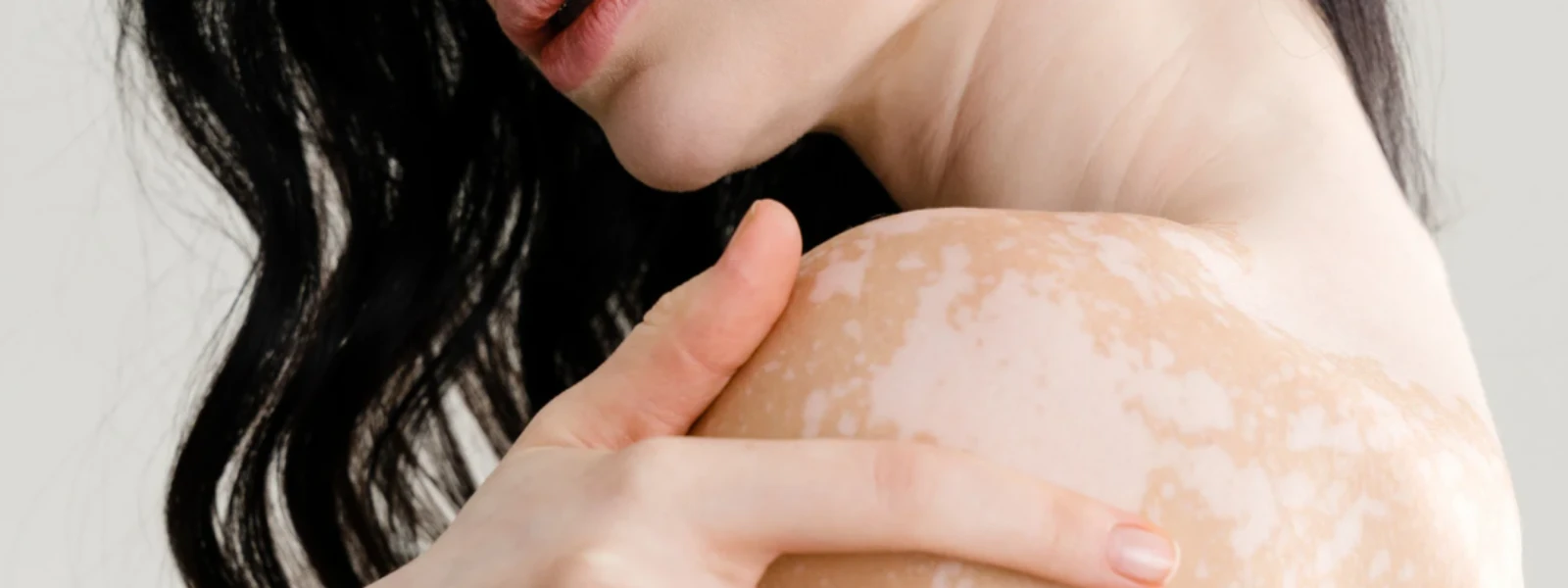
Vitiligo causes white patches where melanin production stops completely. Light spots on skin can also result from fungal infections, certain medications, or skin injuries that damage melanin-producing cells.
Most pigmentation changes are harmless, but some require medical attention. Sudden changes in existing spots, new growths, or patches that bleed or itch need professional evaluation. Any spot that changes in size, color, or texture should be examined by a dermatologist.
The ABCD rule helps identify concerning changes: Asymmetry, irregular Borders, Color variations within one spot, and Diameter larger than a pencil eraser. If you notice any of these features, schedule a dermatologist appointment promptly.
Rapid changes in pigmentation, spots that feel different from surrounding skin, or pigmentation accompanied by other symptoms like pain or swelling warrant immediate attention.
Skin pigmentation treatment varies depending on the type and severity of your condition. Professional treatments offer faster results but cost more, while at-home options provide gradual improvement at lower costs. Many people combine both approaches for optimal results.
Professional treatments include chemical peels, laser therapy, and prescription medications. These target deeper layers of skin and can address stubborn pigmentation that doesn't respond to over-the-counter products.
Topical treatments with ingredients like kojic acid, niacinamide, and vitamin C can help fade pigmentation over time. Consistent use of sunscreen prevents further darkening and allows treatments to work effectively.
Some people find success with natural ingredients like lemon juice, turmeric, or aloe vera. However, these remedies work slowly and may not be suitable for all skin types.
Preventing uneven skin tone is easier than treating existing pigmentation. Daily sun protection forms the foundation of any prevention strategy. Use broad-spectrum sunscreen with at least SPF 30, even on cloudy days or when staying indoors near windows.
Gentle skincare practices help prevent post-inflammatory hyperpigmentation. Avoid harsh scrubbing, picking at spots, or using products that irritate your skin. Choose clothing that doesn't rub against sensitive areas, and keep your skin moisturized to maintain its protective barrier.
Most treatments take 6-12 weeks to show noticeable results. Professional treatments may work faster, while at-home options require more patience. Consistency is key for any treatment approach.
Many types of pigmentation can be significantly improved or completely resolved with proper treatment. However, some conditions like vitiligo may require ongoing management rather than a complete cure.
Yes, darker skin types may be more prone to post-inflammatory hyperpigmentation and may require gentler treatments. Always consult with a dermatologist familiar with your skin type for the best results.
Melasma typically appears as larger, symmetrical patches often triggered by hormones, while regular dark spots are usually smaller and caused by sun damage or aging. Melasma often requires specialized treatment approaches.
Proper sun protection and gentle skincare can help prevent new pigmentation from forming. However, some people may be more prone to developing pigmentation issues and may need ongoing preventive care.
Understanding body pigmentation issues empowers you to make informed decisions about your skin health. Most pigmentation changes are harmless and treatable with the right approach. Whether you choose professional treatments, at-home options, or a combination of both, consistency and patience are essential for success. Remember that prevention through sun protection and gentle skincare practices is always easier than treating existing pigmentation. If you're ever unsure about changes in your skin, don't hesitate to consult with a dermatologist for personalized guidance.
