


Treating Pigmentation in India: Your Complete FAQ Guide
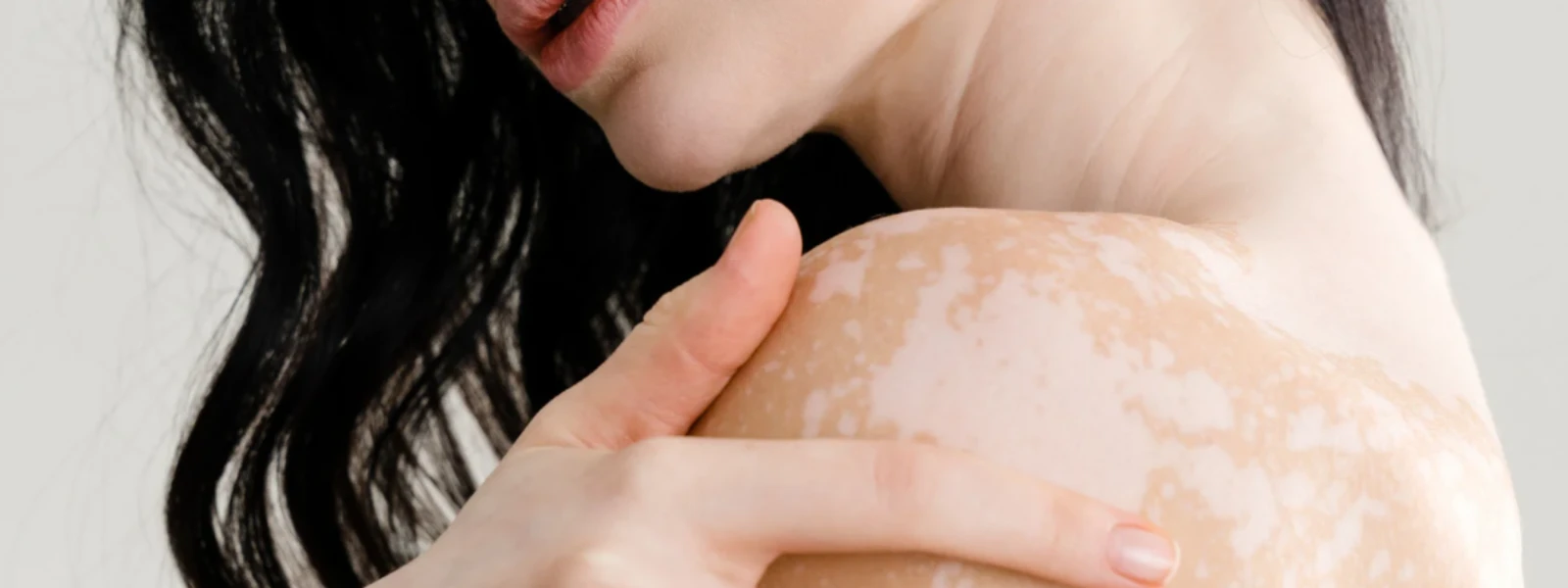
Pigmentation concerns affect millions of people across India, making it one of the most common skincare challenges in the country. From melasma triggered by hormonal changes to post-inflammatory hyperpigmentation from acne, Indian skin faces unique challenges that require specialized approaches. The combination of intense UV exposure, genetic predisposition, and environmental factors creates a perfect storm for various forms of skin discoloration. Understanding the right treatment options and finding effective solutions can feel overwhelming, especially with so many products and procedures available in the market today.
Indian skin contains higher levels of melanin compared to lighter skin tones, which provides natural protection against UV damage but also makes it more susceptible to pigmentation causes and hyperpigmentation disorders. This increased melanin production means that any inflammation or injury to the skin can trigger excessive pigment production, leading to dark spots that persist for months or even years.
The most common forms of Indian skin pigmentation include melasma, which appears as brown patches on the face, and post-inflammatory hyperpigmentation that develops after acne, cuts, or other skin injuries. Solar lentigines, commonly known as age spots, also affect many Indians due to prolonged sun exposure throughout the year.
India's tropical climate and intense UV radiation create year-round challenges for pigmentation-prone skin. The combination of heat, humidity, and pollution can worsen existing dark spots and trigger new pigmentation issues. Air pollution particles can settle on the skin and cause oxidative stress, leading to increased melanin production and uneven skin tone.
Professional dermatologist pigmentation treatment approaches focus on reducing melanin production while promoting healthy skin cell turnover. The gold standard for treating hyperpigmentation remains hydroquinone therapy, which works by inhibiting the enzyme responsible for melanin production. However, dermatologists often recommend combination treatments for optimal results in Indian skin types.
Effective anti-pigmentation solutions include topical agents like azelaic acid, kojic acid, and tretinoin. These ingredients work synergistically to break down existing pigment deposits while preventing new dark spots from forming. Many dermatologists prescribe customized formulations that combine multiple active ingredients to address specific pigmentation patterns.
Dermatologists typically start with a thorough skin analysis to determine the type and depth of pigmentation. Treatment protocols may include:
Prescription-strength hydroquinone creams
Retinoid therapy for enhanced cell turnover
Chemical exfoliants like glycolic acid
Vitamin C serums for antioxidant protection
Combination therapy with multiple active ingredients
Modern pigmentation removal techniques offer faster and more dramatic results than topical treatments alone. Laser therapy has become increasingly popular for treating stubborn dark spots, with technologies like Q-switched lasers specifically designed for melanin reduction in darker skin tones.
Chemical peels represent another effective skin discoloration treatment option, with varying depths available depending on the severity of pigmentation. Superficial peels using glycolic or salicylic acid can be performed regularly, while deeper peels may require longer recovery periods but offer more significant results.
IPL therapy and laser toning have shown excellent results for Indian skin when performed by experienced practitioners. These treatments target melanin deposits while stimulating collagen production for overall skin improvement.
Microdermabrasion and mesotherapy offer gentler alternatives for sensitive skin types. These procedures promote gradual improvement with minimal downtime, making them suitable for busy lifestyles.
Over-the-counter pigmentation creams can be effective for mild to moderate dark spots, especially when they contain proven ingredients like niacinamide, alpha arbutin, or vitamin C. However, the concentration of active ingredients in commercial products is typically lower than prescription formulations, which means results may take longer to appear.
Building an effective at-home routine requires patience and consistency. Skin lightening treatment products work gradually, and visible improvements may take 8-12 weeks of regular use. The key is selecting products with clinically proven ingredients and using them as directed.
Professional treatment becomes necessary when over-the-counter products fail to show results after three months of consistent use, or when pigmentation is severe and affects quality of life. Dermatologists can provide stronger formulations and advanced procedures not available for home use.
The most effective approach combines prescription hydroquinone with tretinoin and a broad-spectrum sunscreen. This combination addresses existing pigmentation while preventing new dark spots from forming. Many dermatologists also recommend adding vitamin C serum for antioxidant protection and enhanced results.
Complete permanent removal is challenging, but significant improvement is achievable with consistent treatment and sun protection. Laser therapy combined with topical treatments offers the best long-term results. However, maintenance treatments are usually necessary to prevent recurrence, especially in pigmentation-prone individuals.
Natural approaches include vitamin C from fresh sources, gentle exfoliation with oatmeal, and consistent sun protection. However, natural remedies typically show limited results compared to clinically proven ingredients. They work best as supportive measures alongside professional treatments rather than standalone solutions.
Treatment costs vary widely depending on the procedure and location. Topical treatments range from ₹500-3,000 per month, while professional procedures cost ₹2,000-10,000 per session. Laser treatments typically require 4-6 sessions for optimal results, making the total investment ₹15,000-60,000 for comprehensive treatment.
Look for products containing niacinamide, alpha arbutin, kojic acid, vitamin C, or azelaic acid. These ingredients have proven efficacy in reducing melanin production and promoting even skin tone. Avoid products with harsh bleaching agents that can cause irritation or rebound pigmentation.
Topical treatments typically show initial improvements after 4-6 weeks, with significant results visible after 12-16 weeks of consistent use. Professional procedures may show faster results, with some improvement visible after 2-3 sessions. However, complete treatment often takes 6-12 months depending on the severity and type of pigmentation.
Treating pigmentation India requires a comprehensive approach that considers skin type, pigmentation severity, and individual lifestyle factors. While over-the-counter products can be effective for mild cases, professional treatment often provides faster and more dramatic results for stubborn pigmentation. The key to success lies in choosing the right combination of treatments, maintaining consistency, and protecting the skin from further damage through proper sun protection and skincare habits. Remember that pigmentation treatment is a journey that requires patience, and working with qualified dermatologists ensures the safest and most effective outcomes for your specific skin concerns.
