


The Ultimate Skin Tone Causes Checklist: Understand Hyperpigmentation
Your Cart
0You May Also Like
Dark spots, uneven patches, and stubborn pigmentation can feel like an unsolvable puzzle. You've tried products, followed routines, maybe even consulted experts, but those marks persist. The truth is, understanding what causes hyperpigmentation is the first step to actually addressing it. Think of it like treating a fever—you need to know what's causing it before you can fix it. Whether it's hormonal changes, sun damage, or post-acne marks, each type of pigmentation has specific triggers. Once you identify yours, you can choose the right approach instead of guessing. Asaya's research into melanin-rich skin has shown that Indian skin tones often deal with multiple pigmentation triggers at once, which is why a systematic approach works better than random product trials.
• Hyperpigmentation has specific triggers: sun exposure, hormones, inflammation, genetics, and lifestyle factors all play different roles • Identifying your specific cause helps you choose the right treatment approach instead of trying everything • Most pigmentation involves multiple factors, so addressing the root cause prevents new spots while treating existing ones
Your skin produces melanin through specialized cells called melanocytes. Think of melanin as your skin's natural shield—it darkens to protect deeper layers from damage. But sometimes this system goes into overdrive or gets confused about where to deposit pigment. Hyperpigmentation happens when melanocytes produce too much melanin in specific spots. This can be triggered by inflammation, UV exposure, hormonal changes, or even friction. The excess melanin gets deposited unevenly, creating those darker patches you see. What makes this tricky is that melanin production doesn't just respond to one trigger. Your skin might be dealing with leftover inflammation from a breakout, ongoing sun exposure, and hormonal fluctuations all at once. Each factor can make the others worse, which is why some dark spots seem so stubborn. Genetics also play a role in how your skin responds to these triggers. Some people naturally produce more melanin when exposed to the same stimuli. This isn't a flaw—it's actually protective. But it does mean you need to be more careful about prevention and more strategic about treatment.
Environmental factors are often the biggest culprits behind new pigmentation. Here's what to watch for:
UV rays are the most common trigger for hyperpigmentation. UVA rays penetrate deeper and cause long-term pigment changes, while UVB rays cause immediate darkening and burning. Even on cloudy days, up to 80% of UV rays can reach your skin. Cumulative sun damage builds up over years. Those "age spots" that appear in your thirties? They're actually from sun exposure in your teens and twenties. The pigmentation shows up later because it takes time for damaged melanocytes to malfunction. Seasonal changes matter too. Winter sun reflecting off snow can be just as damaging as summer beach days. In India, the intense UV levels mean even short exposures can trigger pigmentation in sensitive individuals.
Air pollution creates free radicals that damage skin cells and trigger inflammation. This inflammation can stimulate melanin production, leading to uneven tone over time. Cities with high pollution levels often see more pigmentation issues in residents. Chemical exposure from harsh cleaning products, certain fabrics, or workplace chemicals can also cause contact pigmentation. This usually appears as patches in areas that touch the irritating substance.
Heat alone can trigger melanin production, even without UV exposure. This is why people who work near ovens, furnaces, or in hot climates sometimes develop heat-related pigmentation. The Asaya Even Tone Underarm Mist addresses this type of heat and friction-related darkening in areas prone to sweating.
Hormonal changes are behind some of the most persistent types of pigmentation. Understanding these patterns helps explain why some spots appear during specific life phases.
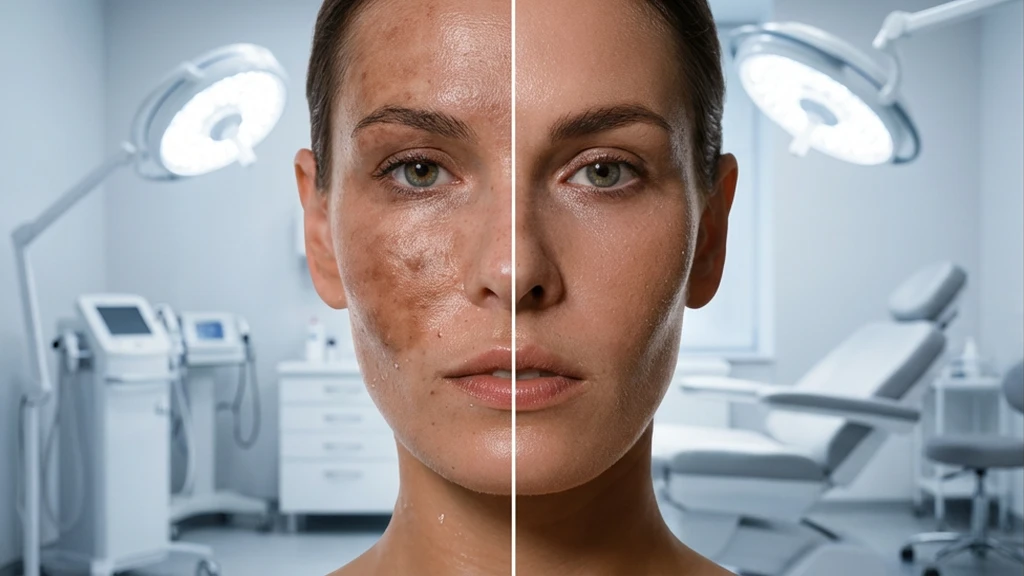
Melasma, often called the "mask of pregnancy," appears as symmetrical patches on the face. It's triggered by estrogen and progesterone fluctuations during pregnancy, birth control use, or hormone replacement therapy. The patches typically appear on the forehead, cheeks, and upper lip. Thyroid disorders can also affect pigmentation. Both overactive and underactive thyroid conditions can cause skin darkening or lightening in various patterns.
Certain medical conditions cause characteristic pigmentation changes. Addison's disease causes generalized skin darkening, especially in skin folds and scars. Diabetes can cause dark patches called acanthosis nigricans, usually in the neck and armpit areas. Autoimmune conditions like lupus or scleroderma can cause both hyperpigmentation and hypopigmentation in different areas.
Some medications make your skin more sensitive to sun damage or directly cause pigmentation changes. Antimalarial drugs, certain chemotherapy medications, and some antibiotics can all trigger pigmentation. Always check with your doctor if you notice skin changes after starting new medications.
Post-inflammatory hyperpigmentation (PIH) is probably the most common type of dark spots, especially on melanin-rich skin. Any inflammation can trigger it.
When a pimple forms, your skin's inflammatory response can stimulate nearby melanocytes. The deeper and more inflamed the breakout, the more likely it is to leave a dark mark. Picking or squeezing makes this worse by increasing inflammation and potentially pushing bacteria deeper. Different types of acne leave different pigmentation patterns. Cystic acne often leaves deeper, more persistent marks than surface whiteheads. The Asaya Advanced Spot Targeting Gel is specifically formulated to address these stubborn post-acne marks with targeted delivery.
Cuts, burns, insect bites, and even aggressive hair removal can all trigger PIH. The key factor is inflammation—the more inflamed the injury, the more likely it is to leave a mark. Surgical scars often develop pigmentation changes, especially if they're exposed to sun during healing. This is why dermatologists recommend strict sun protection after any skin procedure.
Over-exfoliating, using products that are too strong, or combining incompatible ingredients can cause chemical burns that lead to PIH. This is especially common when people try to speed up results by using more product or mixing different acids. Improper use of DIY treatments or home remedies can also cause pigmentation. Lemon juice, baking soda, and other "natural" treatments can actually damage your skin barrier and trigger inflammation.
Your daily habits play a bigger role in skin tone than you might realize. Small changes can make a significant difference over time.
Vitamin deficiencies, particularly B12, folate, and vitamin D, can affect skin pigmentation. Iron deficiency can cause both darkening and lightening in different areas. Some foods may worsen existing pigmentation. High-glycemic foods that spike blood sugar can increase inflammation, potentially making PIH worse. However, this varies significantly between individuals.
Chronic stress increases cortisol levels, which can affect melanin production and slow skin healing. This means existing dark spots may take longer to fade, and new inflammation is more likely to leave marks. Poor sleep disrupts skin repair processes. Your skin does most of its healing and regeneration during deep sleep, so chronic sleep deprivation can slow the fading of existing pigmentation.
Smoking reduces blood flow to the skin and increases free radical damage, both of which can worsen pigmentation and slow healing. Alcohol can increase inflammation and affect liver function, which plays a role in processing toxins that might affect skin health.
Different types of pigmentation look different and respond to different treatments. Learning to identify yours helps you choose the right approach.
Melasma appears as symmetrical patches, usually on both sides of the face. The edges are often irregular, and the color can vary from light brown to dark brown or even grayish. Sun spots (solar lentigines) are usually round or oval, with well-defined edges. They appear on sun-exposed areas like the face, hands, and shoulders. PIH from acne typically follows the pattern of where breakouts occurred. The marks are usually darker than melasma and can be various shapes depending on the original injury.
A dermatologist can use tools like a Wood's lamp to see pigmentation that's not visible to the naked eye. This helps determine how deep the pigmentation goes and what type of treatment will work best. Some pigmentation is in the epidermis (surface layer) and responds well to topical treatments. Deeper pigmentation in the dermis is more challenging and may require professional procedures.
Take photos in consistent lighting to track progress. Natural daylight near a window works best. Take pictures from the same angle and distance each time. Keep a simple diary noting when you notice changes, what products you're using, and any potential triggers like sun exposure or hormonal changes. The Asaya Fade Forward Inner Thigh & Bum Roll-On includes guidance on tracking progress for body pigmentation.
Sun exposure is the most common cause, but uneven skin tone usually results from multiple factors working together. Inflammation, hormones, genetics, and environmental damage all contribute. Most people have a combination of causes rather than just one trigger.
Acne-related dark spots usually appear where you've had breakouts and tend to be irregular in shape. Sun spots are typically rounder, more uniform, and appear on areas that get the most sun exposure like the face, hands, and shoulders.
Genetics play a major role in how your skin responds to triggers. People with more melanin naturally have more active melanocytes, which can be protective but also means they're more prone to pigmentation when those cells are stimulated by inflammation or other triggers.
Stress doesn't directly cause dark spots, but it can make existing pigmentation worse and slow the healing process. Chronic stress increases inflammation in the body, which can make your skin more reactive to other triggers.
PIH usually appears within a few weeks of the initial inflammation or injury. However, some pigmentation can take months to become fully visible, which is why prevention is so important.
Understanding what causes your specific type of pigmentation is the foundation of effective treatment. Most people deal with multiple triggers—sun damage from years past, hormonal fluctuations, and ongoing inflammation from breakouts or environmental factors. This is why a comprehensive approach works better than targeting just one cause. The key is identifying your primary triggers and addressing them systematically. If hormones are a major factor, focus on gentle, consistent care during fluctuations. If sun damage is the main culprit, prioritize prevention alongside treatment. Asaya's MelaMe™ Complex was developed specifically for this multi-factor approach. This advanced skincare-engineered molecule is designed to visibly treat discoloration and restore pigment balance within 2 weeks of regular use. It works on existing dark spots by breaking excess melanin deposits down into re-absorbable amino acids while inhibiting future excess melanin production. This dual action—treating current pigmentation while preventing new spots—addresses the reality that most pigmentation involves ongoing triggers rather than just past damage. Whether you're dealing with post-acne marks, sun damage, or hormonal pigmentation, understanding the cause helps you choose treatments that actually work for your specific situation.
