


The Ultimate Checklist to Treat Body Acne Marks Effectively
Your Cart
0You May Also Like
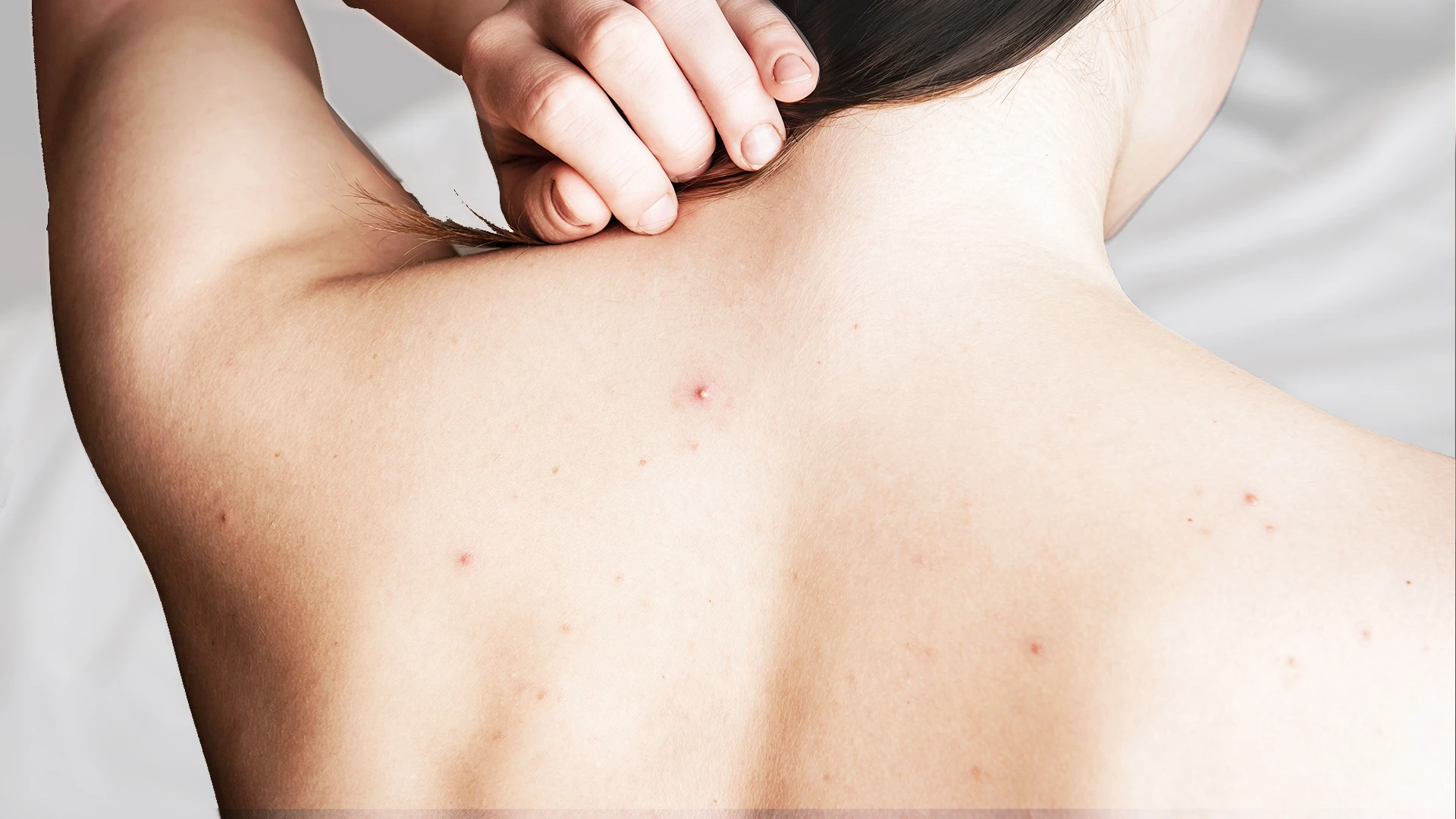
Body acne marks can be just as frustrating as facial blemishes, often lingering long after the original breakout has healed. Unlike facial skin, body skin tends to be thicker and may take longer to show improvement from treatments. The good news? With the right approach and consistent care, you can effectively treat body acne marks and restore your skin's natural clarity. Whether you're dealing with dark spots on your back, chest, or shoulders, this comprehensive checklist will guide you through proven methods to fade those stubborn marks and prevent new ones from forming.
Before diving into treatment options, it's crucial to identify what type of marks you're dealing with. Body acne scars come in different forms, and each requires a slightly different approach. Understanding these differences will help you choose the most effective treatment strategy.
Dark spots, also known as post inflammatory hyperpigmentation body marks, appear as flat, discolored patches where acne once was. These are typically brown, red, or purple and fade over time. Textural scars, on the other hand, create actual changes in skin surface - either raised (keloid) or depressed (atrophic) areas.
Body skin is generally thicker and has fewer sebaceous glands than facial skin. This means treatments may take longer to penetrate and show results. However, body skin is also more resilient and can often handle stronger concentrations of active ingredients.
The foundation of any effective acne mark treatment routine starts with consistent at-home care. These proven ingredients can significantly improve body acne discoloration when used correctly and consistently.
Chemical exfoliation is one of the most effective ways to fade acne marks on the body. Alpha hydroxy acids like glycolic acid help remove dead skin cells and promote cell turnover. Beta hydroxy acids, particularly salicylic acid, penetrate deeper into pores and work well for both treating existing marks and preventing new breakouts.
Look for products containing silicone, allantoin, or onion extract. These ingredients have clinical backing for improving scar appearance. Apply these treatments twice daily to clean, dry skin for best results.
Over-the-counter retinol products can help accelerate skin cell turnover and improve mark appearance. Start with lower concentrations (0.25-0.5%) and gradually increase as your skin builds tolerance.
When at-home treatments aren't enough, professional procedures can provide more dramatic results for scar removal for body concerns. These treatments typically require multiple sessions and professional supervision.
Medium-depth chemical peels using trichloroacetic acid (TCA) can effectively address deeper hyperpigmentation from acne. These treatments remove damaged skin layers and stimulate new, healthy skin growth.
Fractional laser treatments work by creating controlled micro-injuries that trigger the skin's natural healing process. IPL (Intense Pulsed Light) specifically targets pigmentation and can be highly effective for dark spots.
Consistency is key when working to treat body acne marks. This step-by-step routine provides a framework for daily care that addresses both existing marks and prevention of new ones.
Start with a gentle, non-comedogenic cleanser to remove overnight buildup. Apply your treatment products (vitamin C serums work well in the morning) and always finish with broad-spectrum SPF 30 or higher sunscreen on exposed areas.
Evening is the ideal time for stronger active ingredients. Use exfoliating acids 2-3 times per week, followed by retinol products on alternate nights. Always moisturize to maintain skin barrier function.
Incorporate weekly treatments like clay masks or higher-concentration acid treatments. Document your progress with photos taken in consistent lighting to track improvements over time.
The best approach to body blemish removal includes preventing new marks from forming. Simple lifestyle adjustments can make a significant difference in your skin's overall health and appearance.
Shower immediately after sweating, choose breathable fabrics, and change bed linens regularly. These simple steps help prevent pore-clogging that leads to new breakouts and subsequent marking.
Always choose non-comedogenic body lotions, laundry detergents, and hair products. Ingredients like coconut oil and certain sulfates can contribute to body acne in sensitive individuals.
Understanding realistic timelines helps set appropriate expectations for your skin discoloration treatment journey. Most people see initial improvements within 4-6 weeks, with significant changes occurring over 3-6 months of consistent treatment.
Dark spots typically fade within 3-6 months with consistent treatment. Textural changes may take 6-12 months or longer to show significant improvement, especially for deeper scars.
Consult a dermatologist if marks are worsening, showing signs of keloid formation, or not improving after 3 months of consistent treatment. Professional guidance can help identify the most effective approach for your specific skin type and concerns.
Most people notice initial improvements within 4-6 weeks of consistent treatment. Significant fading of dark spots typically occurs within 3-6 months, while textural improvements may take 6-12 months or longer.
While many ingredients are safe for both face and body, body skin can typically tolerate higher concentrations. However, always patch test new products and start with lower concentrations to assess tolerance.
Dark spots may fade naturally over 12-24 months, but treatment significantly accelerates this process. Textural scars rarely improve without intervention and typically require active treatment to see meaningful changes.
Glycolic acid, salicylic acid, and retinoids are among the most effective ingredients for treating body acne marks. The best choice depends on your skin type, mark severity, and tolerance level.
Successfully treating body acne marks requires patience, consistency, and the right combination of products and techniques. Start with gentle at-home treatments, protect your skin from sun exposure, and don't hesitate to seek professional help for stubborn marks. Remember that body skin responds differently than facial skin, so allow adequate time for treatments to work. With the right approach, you can achieve clearer, more even-toned skin and boost your confidence in showing off your body.
