


The Right Way to Remove Dark Spots on Melanin-Rich Skin
Your Cart
0You May Also Like

₹424 ₹499

₹509 ₹599

₹594 ₹699

₹424 ₹499

₹466 ₹549
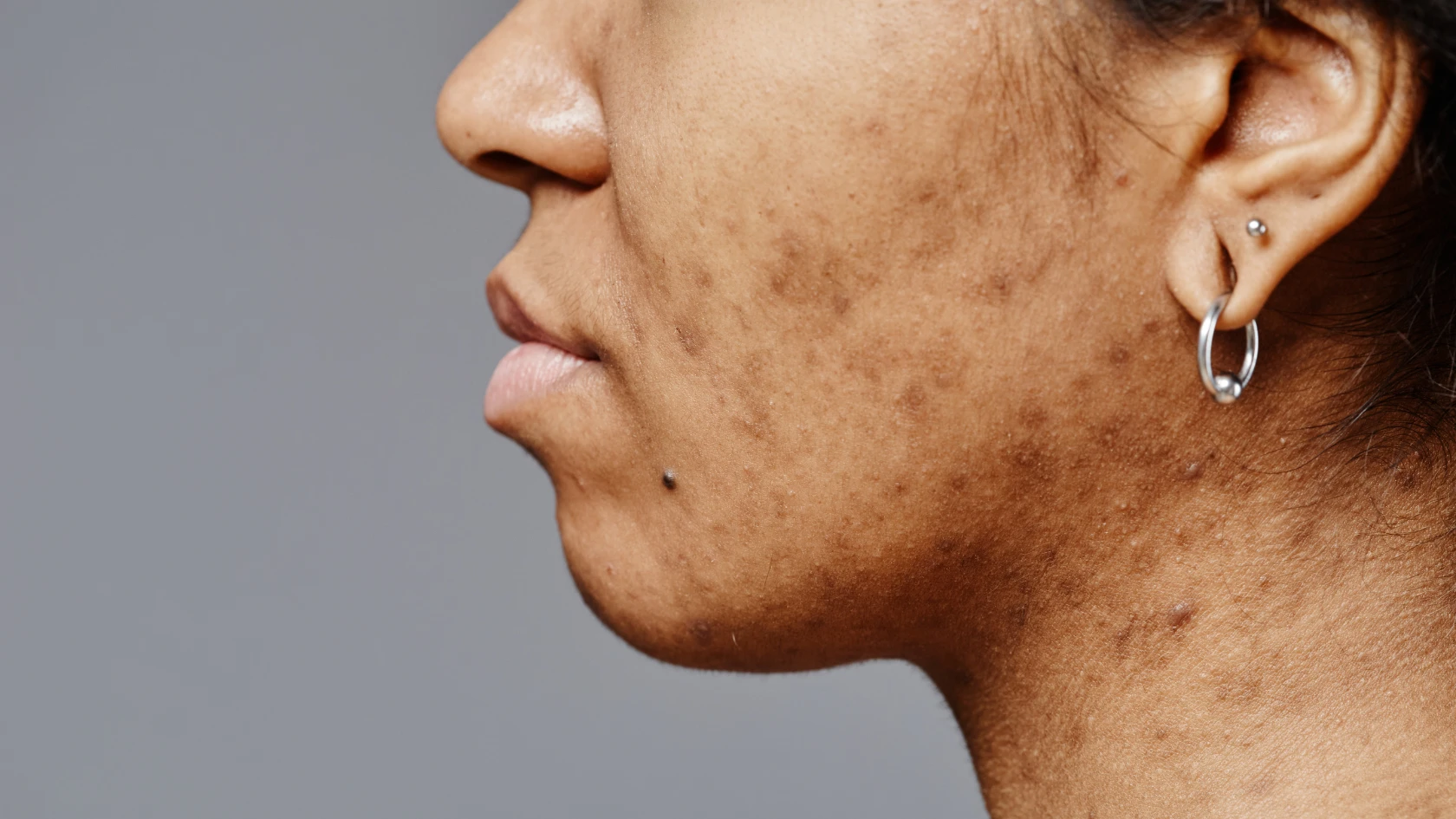
Dark spots can feel stubborn, especially after acne, sun exposure, or irritation. On melanin-rich skin, even a small breakout can leave a mark that lasts longer than the breakout itself. That is because your skin may produce extra melanin while it heals. The goal is not to scrub or rush the process. It is to calm inflammation, slow excess pigment production, and protect your skin every day. Asaya formulates for this specific concern, with routines designed around pigmentation patterns common in Indian skin.
Use a gentle routine with a tyrosinase inhibitor, daily sunscreen, and patience.
Avoid irritation. Harsh acids and DIY remedies can deepen dark spots.
Most visible fading takes weeks, not days, on melanin-rich skin.
Dark spots happen when skin makes extra melanin in one area. In melanin-rich skin, inflammation and UV exposure can switch this response on more easily.
Tyrosinase is an enzyme involved in melanin production. When it is overactive, pigment can build up after acne, rubbing, heat, or sun exposure.
Post-inflammatory hyperpigmentation, or PIH, is a dark mark left after inflammation. Acne marks are often PIH caused by pimples. Sun spots come from repeated UV exposure. All can look similar, but acne marks treatment should also focus on preventing new breakouts and irritation.
A dark spot corrector should help limit excess pigment without pushing skin into irritation. Niacinamide, kojic acid, and alpha-arbutin are tyrosinase inhibitors used in hyperpigmentation treatment.
Asaya Advanced Spot Targeting Serum combines 5% niacinamide and 2% alpha arbutin with MelaMe™ Complex. It is a leave-on option for dark spots, acne marks, tanning, and uneven skin tone.
High-strength actives can sting, peel, or inflame skin when used too often. That irritation may lead to more pigment on deeper tones. Introduce one active at a time, and stop if your skin feels sore or persistently irritated. A pigmentation cream should support your barrier as well as your pigment goals.
Keep your routine simple so you can spot what your skin tolerates. Cleanse, apply treatment, moisturise, then use sunscreen in the morning.
Start with Asaya Even Tone Face Cleanser, a low-pH gel cleanser made to remove SPF and makeup without stripping skin. Follow with a leave-on treatment, then use Asaya Even Evermore Creme to add moisture while supporting tone care.
Cleanse gently.
Apply your dark spot corrector to clean, dry skin.
Use moisturiser if skin feels dry.
Finish with broad SPF protection each morning.
Morning care should focus on treatment and sun protection. Sun exposure can undo progress by triggering new pigment. Retinoids are night-only actives, so keep them away from daytime sun exposure. At night, use one treatment at a time and give your skin room to settle.
Some dark spots need professional care, especially deep or long-standing patches. A dermatologist may suggest prescription-strength options or chemical peels.
Lasers also need extra care on darker skin tones. Heat or irritation can worsen hyperpigmentation, so ask about the risk of rebound pigment before any procedure.
Aloe vera, turmeric, and licorice are often discussed for dark spots. They may feel soothing, but they should not replace a consistent routine with proven pigment-focused actives and SPF.
Avoid lemon juice and apple cider vinegar on your face. Both can irritate melanin-rich skin, and irritation can make uneven skin tone look worse.
Dark spots take time because pigment sits within the skin. A five-day or two-day fix is not realistic for fading pigment.
On melanin-rich skin, visible improvement often takes at least 4 to 8 weeks. Asaya’s Advanced Spot Targeting Gel is designed for targeted use on acne marks and dark spots, with results noted from about 14 days. Your timeline still depends on consistency, sunscreen use, and how deep the mark is.
Prevention is part of skincare for Indian skin, not an extra step. Daily SPF matters in bright sun, during commutes, and near windows.
Keep inflammation low with gentle cleansing and avoid picking acne. Melanophagy is the skin’s natural process of clearing existing melanin deposits. A routine that supports pigment balance while avoiding irritation can help reduce repeat dark spots.
Use tyrosinase-inhibiting actives, daily SPF, and a routine you can follow consistently. Asaya Advanced Spot Targeting Serum pairs niacinamide and alpha arbutin with MelaMe™ Complex for this approach.
Layer a gentle dark spot corrector with sunscreen and avoid harsh DIY acids. Gentle exfoliation may fit some routines, but do not overdo it.
You cannot reliably fade pigment in five days. You may calm irritation quickly, but visible fading on melanin-rich skin usually needs 4 to 8 weeks or longer.
Two days may reduce redness from a fresh breakout, but not the pigment left behind. Stay gentle, avoid picking, and use sunscreen so the mark does not deepen.
The right way to fade dark spots is steady, not aggressive. MelaMe™ Complex is Asaya’s advanced, skincare-engineered, melanin-first molecule. It is designed to visibly treat discolouration and restore pigment balance within 2 weeks of regular use, tested and proven.
It works on existing dark spots by breaking excess melanin deposits into re-absorbable amino acids. It also inhibits excess melanin production, helping fade and prevent blemishes while restoring even-toned, clarified skin. Pair it with gentle care and daily SPF for a routine your skin can stay with.
