


Sunscreen for Hyperpigmentation: Broad Protection for Skin
Your Cart
0You May Also Like
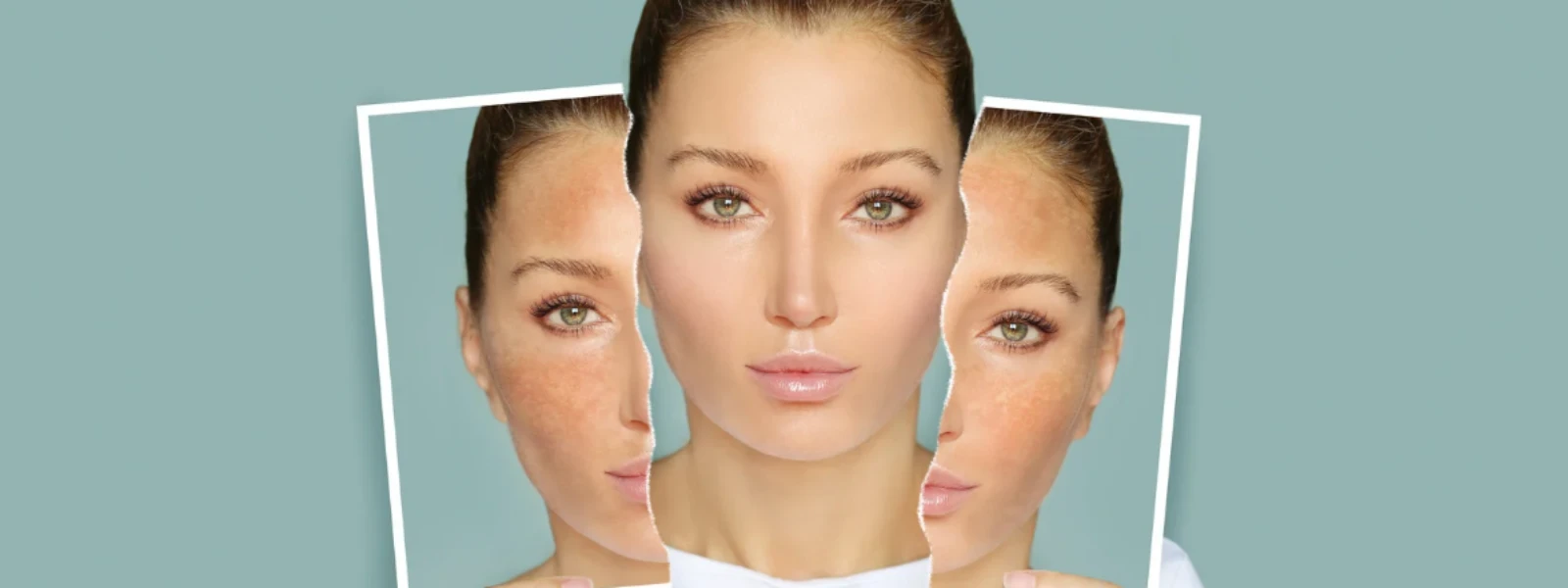
Hyperpigmentation is frustrating. You notice a spot, you wait, you treat it, and then it fades a little. But all of a sudden, it looks darker again. Almost like your skin is playing a quiet joke on you. And most of the time, the problem is not your serum; it is the sun.
People often focus only on treatment. Acids. Actives. Serums. But they forget one thing: If the skin is constantly exposed to sunlight, especially without protection, pigmentation never really gets the chance to settle down.
This is where a sunscreen for hyperpigmentation becomes a necessity. Especially if your skin is delicate, melanin-rich, or reacts easily.
Hyperpigmentation does not appear out of nowhere. It is usually the skin responding to stress. That stress often comes from:
Acne and post-acne inflammation
Hormonal changes
Heat and sun exposure
Over-exfoliation or irritation
For Indian and melanin-rich skin, the response is often stronger. Melanin protects, yes. But it also reacts faster. When skin senses sunlight, it produces more pigment as a defence mechanism. The result?
Old dark spots deepen
New patches slowly form
Skin tone starts looking uneven again
This happens quietly, and you may not notice it immediately. But over weeks, the damage adds up. Without daily sun protection, even the best serum for hyperpigmentation ends up working harder than it should.
Not all sunscreens are created equal, and this matters more than people think. A broad-spectrum sunscreen protects the skin from both UVA and UVB rays. Here is why that matters:
UVB rays are responsible for sunburn and surface-level damage
UVA rays penetrate deeper into the skin and trigger pigmentation and premature ageing
UVA rays are present all day. Not just during peak sunlight hours. They can reach your skin indoors, near windows, even during short exposure. So when sunscreen only focuses on UVB, pigmentation still finds a way in. Broad-spectrum protection is what actually supports pigmentation-prone skin in the long run.
Many people still treat sunscreen like an occasional step. Something you apply when you remember. Or when you are stepping out for long hours. But pigmentation does not work that way. If your skin is prone to dark spots, sunscreen has to be consistent.
A good sunscreen for hyperpigmentation helps:
Prevent existing spots from becoming darker
Reduce the chances of new pigmentation forming
Protect skin that is already healing
Maintain the results of your skincare routine
Without sunscreen, progress stays temporary. With sunscreen, results actually hold.
Here is something people do not talk about enough: If sunscreen feels uncomfortable, people stop using it.
Heavy textures, white cast, and greasy finish, all of this makes daily application feel like a chore. And once sunscreen becomes a chore, consistency drops. Delicate and melanin-rich skin needs formulas that feel light and breathable. Daily sunscreen should:
Sit comfortably on the skin
Blend easily without leaving residue
Work well with serums and moisturisers
Feel gentle enough for everyday use
When sunscreen feels easy, it becomes part of the routine. And that is when it starts doing its job properly.
Pigmentation does not fade overnight, and it does not fade through one product alone. Correction and protection need to happen together. A targeted serum works on what already exists. The best serum for hyperpigmentation helps:
Support skin renewal
Fade dark spots gradually
Improve overall skin clarity
But if the skin is exposed to sunlight without protection, new pigment keeps forming. That is where sunscreen steps in. A sunscreen typically blocks UV rays that trigger melanin production, protects sensitive, healing skin, and helps maintain the progress made by serums.
You do not need to be perfect; you just need to be consistent. A few simple habits help:
Apply sunscreen as the final step in your morning routine
Use enough product on the face and neck
Apply after your serum and moisturiser
Reapply when outdoors for long periods
Skipping sunscreen “just for today” is what slows progress over time. Daily use builds cumulative protection. That is where the real difference comes from.
You do not need a ten-step routine. In fact, simpler works better for most skin types. A basic structure looks like this:
Cleanse gently
Apply the best serum for hyperpigmentation
Moisturise to support skin balance
Finish with a broad-spectrum sunscreen every morning
This routine is easy to maintain. And consistency is what actually helps pigmentation fade and stay under control.
Correcting pigmentation takes patience, and preventing it takes discipline. Sun protection is what stops pigmentation from forming in the first place. And once that cycle is broken, the skin finally has space to heal. Daily sunscreen use:
Reduces repeated pigmentation triggers
Supports even skin tone
Keeps skin calm and balanced
Over time, the skin looks clearer, not overnight, but steadily.
At Asaya, skincare is designed with melanin-rich and delicate skin in mind. Sun protection is not treated as an optional step. It is considered a daily essential. Asaya offers a range of broad-spectrum sunscreens created for comfortable, everyday wear, including:
Air-light sunscreen mist spray for face
Sunscreen mist spray SPF 65+
Sheer Milk Sunscreen SPF 50
Spot Light Sunscreen SPF 50 PA++++
Aqua Dew Sunscreen with rice water
Hint of Tint SPA 50
These formulations are designed to protect against UVA and UVB rays while remaining lightweight and easy on the skin. Alongside sunscreen, Asaya also offers targeted serums that support pigmentation concerns. Used together, these products help protect the skin daily while gradually supporting a clearer, more even-looking complexion.
Yes, sunscreen prevents UV rays from triggering excess melanin production, which is a key cause of pigmentation.
Yes, without sunscreen, sun exposure can undo the progress made by even the best serum for hyperpigmentation.
Daily use helps prevent tanning, pigmentation, and uneven skin tone.
Yes, UVA rays can pass through windows and affect the skin indoors.
When formulated well, sunscreen supports skin health and is suitable for daily use on delicate skin.
