


Sun Spots 101: How UV Rays Darken Skin Pigments
Have you ever noticed how certain spots on your skin seem to get darker after spending time in the sun? This common phenomenon affects millions of people worldwide and can be frustrating to deal with. Understanding how sun exposure darkens spots is the first step toward protecting your skin and maintaining an even complexion. The relationship between UV rays and skin pigmentation is complex, involving immediate chemical reactions and long-term cellular changes that can leave lasting marks on your skin.
When UV rays hit your skin, they trigger a sophisticated biological response designed to protect your cells from damage. This process involves multiple mechanisms that work together to create the darkening effect we see in sun spots and overall tanning.
Your skin responds to UV exposure through two distinct processes: immediate pigment darkening and delayed tanning. Immediate pigment darkening occurs within minutes of sun exposure as existing melanin in your skin undergoes chemical modifications. This creates an instant protective response that can last several hours.
The delayed response involves melanocyte activation, where specialized cells begin producing new melanin over the course of several days. Your body produces two types of melanin: eumelanin, which provides brown-black pigmentation and better UV protection, and pheomelanin, which creates red-yellow tones but offers less protection. The ratio of these melanins determines how your skin responds to sun exposure and why some areas darken more dramatically than others.
Sun spots darkening follows a predictable timeline. The immediate response happens within minutes to hours, while delayed pigmentation develops over two to three days and can persist for weeks or months. Long-term cumulative effects build up over years of repeated exposure, creating permanent changes in skin pigmentation patterns.
Not all dark spots from sun exposure are the same. Understanding the different types can help you identify what you're dealing with and choose appropriate treatments. Each type has unique characteristics and responds differently to various treatment approaches.
Solar lentigines, commonly called age spots, are flat brown spots that appear on sun-exposed areas. Melasma presents as larger patches of discoloration, often triggered by hormonal changes but worsened by UV exposure. Post-inflammatory hyperpigmentation occurs when sun exposure darkens areas that were previously injured or inflamed.
Several factors influence your susceptibility to sun-induced pigmentation. Your natural skin type and baseline pigmentation levels play crucial roles, as does your geographic location and local UV index. The duration and frequency of sun exposure matter significantly, and hormonal influences can make certain individuals more prone to developing uneven skin tone from sun exposure.
Certain body areas are more prone to developing sun spots due to higher exposure levels. Your face, hands, and shoulders receive the most direct sunlight throughout your lifetime. Areas with previous skin damage or inflammation are also more susceptible to developing hyperpigmentation when exposed to UV rays.
The effects of sun on skin extend far beyond visible darkening. UV radiation creates both immediate and long-term changes at the cellular level that can impact your skin's health and appearance for years to come.
Acute tanning represents your skin's immediate protective response to UV exposure. However, cumulative photodamage builds up over time, affecting cellular DNA and triggering repair mechanisms that don't always work perfectly. This ongoing damage contributes to premature aging and increased risk of skin cancer.
The Fitzpatrick skin type classification system helps predict how different individuals will respond to sun exposure. People with lighter skin types burn more easily and may develop different patterns of hyperpigmentation compared to those with darker skin. However, all skin types can experience sun-induced pigmentation changes, and darker skin tones face unique challenges in treating hyperpigmentation safely.
Preventing sun-induced pigmentation is always easier than treating existing damage. A comprehensive approach to sun protection can significantly reduce your risk of developing new dark spots and prevent existing ones from getting darker.
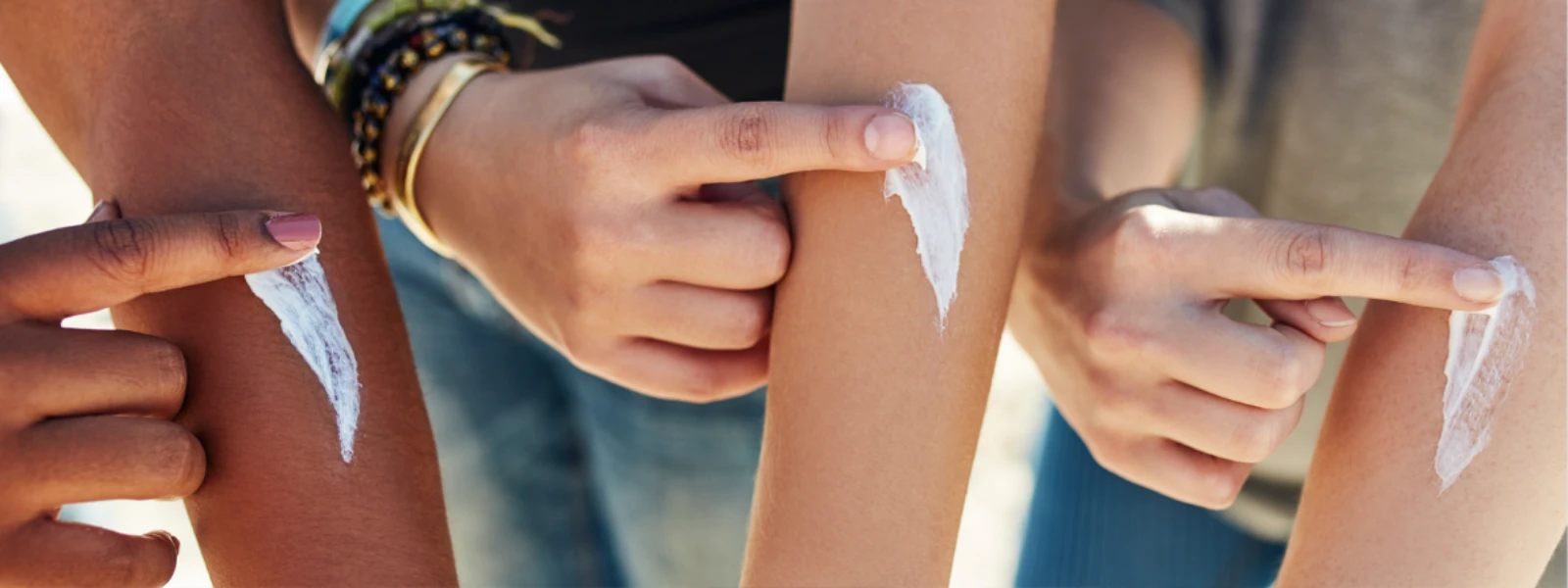
Broad-spectrum sunscreen with at least SPF 30 should be applied daily, regardless of weather conditions. Physical sunscreens containing zinc oxide or titanium dioxide provide immediate protection, while chemical sunscreens need time to absorb before becoming effective. Reapplication every two hours is crucial for maintaining protection during extended outdoor activities.
Avoiding peak UV hours between 10 AM and 4 PM can dramatically reduce your exposure to harmful rays. Protective clothing, wide-brimmed hats, and UV-blocking sunglasses provide additional barriers against sun damage. Seeking shade whenever possible and being mindful of reflective surfaces that can increase UV exposure are important preventive measures.
Once sun spots have developed, various treatment options can help lighten them and restore a more even skin tone. The key is choosing the right approach for your skin type and the severity of your hyperpigmentation.
Topical brightening agents work by inhibiting melanin production or promoting cellular turnover. Hydroquinone remains the gold standard for treating hyperpigmentation, though alternatives like kojic acid, arbutin, and niacinamide offer gentler options. Retinoids accelerate cellular turnover, helping to fade existing pigmentation while preventing new spots from forming. Vitamin C serums provide antioxidant protection while supporting the skin's natural brightening processes.
Chemical peels remove damaged surface layers, revealing fresher skin underneath. Laser therapy targets specific pigmented areas with precision, while IPL treatments address broader areas of discoloration. Microdermabrasion provides gentle exfoliation that can improve the appearance of superficial sun spots over time.
Most topical treatments require 8-12 weeks of consistent use before significant improvement becomes visible. Professional treatments may show faster results but often require multiple sessions. Maintenance treatments are typically necessary to prevent new spots from forming and keep existing pigmentation from returning.
UV radiation triggers both immediate pigment darkening through chemical modification of existing melanin and delayed melanin synthesis over several days. This dual response creates both instant and long-lasting darkening effects.
While some darkening may fade naturally over months without sun exposure, cumulative UV damage can cause permanent pigmentation changes, especially in frequently exposed areas like the face and hands.
Consistent sun protection combined with topical brightening treatments, gentle exfoliation, and professional treatments can help lighten sun-induced darkening over time. Results typically take several months of dedicated treatment.
Exercise increases blood flow and dilates pores, potentially making skin more susceptible to UV penetration. Sweat can also reduce sunscreen effectiveness, leading to increased UV exposure during outdoor workouts.
Immediate darkening occurs within minutes to hours of exposure, while delayed pigmentation develops over 2-3 days. These changes can persist for weeks or months without proper treatment and sun protection.
Understanding how sun exposure darkens spots empowers you to make informed decisions about skin protection and treatment. The complex interplay between UV radiation and melanin production creates both immediate and long-term changes in skin pigmentation. While prevention through consistent sun protection remains the most effective strategy, various treatment options can help address existing sun damage. Remember that treating hyperpigmentation requires patience and consistency, as most effective treatments take several months to show significant results. By combining proper sun protection with appropriate treatments, you can work toward achieving a more even skin tone and preventing future sun-induced pigmentation.
