


Sun and Hyperpigmentation: Your Complete Guide
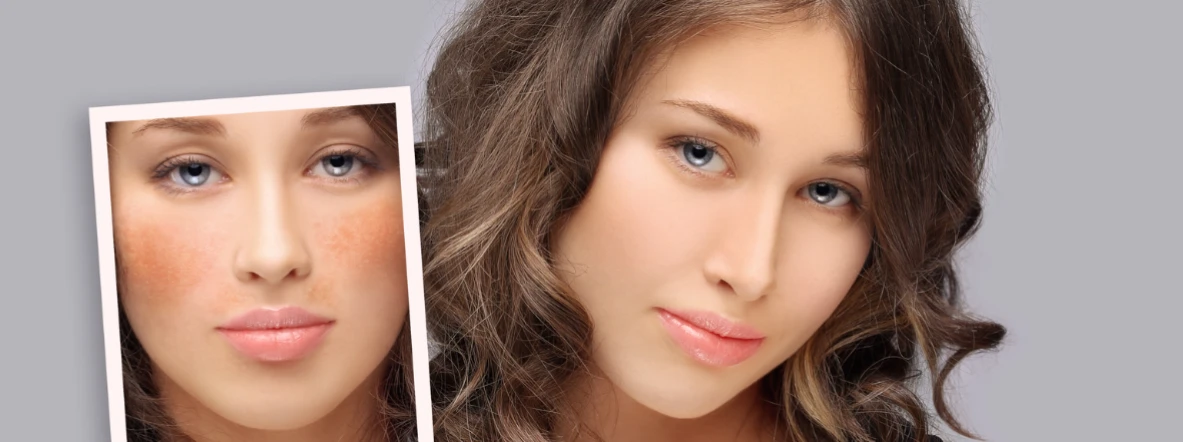
Have you ever noticed dark spots appearing on your skin after a sunny vacation or summer spent outdoors? You're not alone. Sun exposure is one of the leading causes of hyperpigmentation, affecting millions of people worldwide. These unwanted dark patches can appear anywhere on your body but are most common on areas frequently exposed to UV rays like your face, hands, and shoulders. Understanding the connection between sun exposure and hyperpigmentation is crucial for both prevention and treatment. Whether you're dealing with existing dark spots or want to prevent future ones, this guide will walk you through everything you need to know about sun-induced hyperpigmentation and how to protect your skin.
Hyperpigmentation occurs when your skin produces excess melanin, the pigment responsible for your skin color. When you ask can sun cause hyperpigmentation, the answer is a definitive yes. UV radiation from the sun triggers your skin's natural defense mechanism, causing melanocytes to produce more melanin to protect deeper skin layers from damage. The process begins when UV rays penetrate your skin and cause cellular damage. Your body responds by ramping up melanin production as a protective shield. However, sometimes this process goes into overdrive, creating patches of darker skin that persist long after sun exposure ends. This sun induced hyperpigmentation can manifest immediately or develop weeks after exposure.
When UV rays hit your skin, they activate an enzyme called tyrosinase, which kickstarts melanin synthesis. This process involves complex cellular signaling pathways that can become disrupted, leading to uneven pigment distribution.
Some people are more prone to developing hyperpigmentation from sun exposure due to genetic factors, skin type, and hormonal influences. Those with darker skin tones often experience more pronounced pigmentation changes, while fair-skinned individuals may develop different types of sun damage.
Not all dark spots are created equal. Understanding the different types of sun damage skin conditions helps you identify what you're dealing with and choose appropriate treatments. Each type has distinct characteristics and responds differently to various treatment approaches.
Sun spots are flat, brown or black spots that typically appear on areas with the most sun exposure. They're most common on the face, hands, shoulders, and arms. These spots usually develop after age 40 but can appear earlier with significant sun exposure. Unlike freckles, sun spots don't fade in winter and tend to grow larger and darker over time without treatment.
Melasma sun exposure creates a particularly stubborn form of hyperpigmentation. This condition appears as symmetrical brown patches, often on the face, and is strongly influenced by hormonal changes combined with UV exposure. Pregnancy, birth control pills, and hormone replacement therapy can all trigger melasma, but sun exposure is what activates and worsens the condition.
When your skin becomes inflamed from sunburn or other injuries, the healing process can leave behind dark spots sun exposure has created. This type of hyperpigmentation is particularly common in people with darker skin tones and can result from acne, cuts, or any skin trauma that occurs in sun-exposed areas.
Sun exposure hyperpigmentation doesn't affect everyone equally. Your risk depends on several factors including your natural skin type, genetics, and lifestyle habits. Understanding these risk factors helps you take appropriate preventive measures. People with Fitzpatrick skin types III-V (medium to dark skin) are more susceptible to developing hyperpigmentation, while those with very fair skin (types I-II) are more prone to other forms of sun damage like sunburn and premature aging. However, anyone can develop pigmentation issues with sufficient sun exposure. Certain body areas are particularly vulnerable to developing hyperpigmentation causes related to sun exposure. Your face, especially the forehead, cheeks, and upper lip, receives the most direct sunlight throughout the day. Your hands and forearms are also highly susceptible, as are your shoulders and décolletage area.
UV intensity varies significantly based on location, season, and time of day. Higher altitudes and locations closer to the equator expose you to more intense UV radiation, increasing your risk of developing pigmentation issues.
Certain medications can make your skin more sensitive to sun damage, including some antibiotics, retinoids, and alpha hydroxy acids. If you're taking photosensitizing medications, you're at higher risk for developing hyperpigmentation from sun exposure.
Prevention is always easier and more effective than treatment when it comes to how to prevent hyperpigmentation. The key is consistent, comprehensive sun protection that becomes part of your daily routine, regardless of weather or season. Broad-spectrum sunscreen with at least SPF 30 should be applied daily to all exposed skin, including often-forgotten areas like your ears, neck, and the tops of your feet. Reapplication every two hours is crucial, especially if you're swimming, sweating, or spending extended time outdoors.
Physical sunscreens containing zinc oxide or titanium dioxide are often better choices for pigmentation-prone skin because they're less likely to cause irritation that could lead to post-inflammatory hyperpigmentation. Look for formulations specifically designed for sensitive skin.
Seek shade during peak UV hours (10 AM to 4 PM), wear wide-brimmed hats and UV-protective clothing, and consider using UV-blocking window film in your car and home. Remember that UV rays can penetrate clouds and reflect off surfaces like water, sand, and snow, so protection is necessary even on overcast days.
If you already have dark spots from sun exposure, don't despair. Many effective treatments can help treat hyperpigmentation and restore a more even skin tone. The key is choosing the right approach for your specific type of pigmentation and skin sensitivity. Professional treatments often provide faster, more dramatic results than at-home options. Chemical peels using glycolic acid, lactic acid, or trichloroacetic acid can help remove damaged surface skin and stimulate cell turnover. Laser treatments and intense pulsed light (IPL) therapy target pigmented cells specifically, breaking up excess melanin deposits.
For those preferring gentler, gradual improvement, several at-home ingredients have proven effective. Vitamin C serums help prevent new pigmentation while gradually lightening existing spots. Retinoids increase cell turnover and can fade dark spots over time, though they may initially cause some irritation.
Pregnant women dealing with melasma should avoid certain treatments like retinoids and hydroquinone. Safe alternatives include vitamin C, azelaic acid, and gentle chemical exfoliants like lactic acid in low concentrations.
Some mild sun-induced hyperpigmentation may fade naturally over several months to years, but most persistent dark spots require active treatment. Without intervention, sun spots typically remain stable or gradually darken over time.
Yes, continued sun exposure can significantly darken existing hyperpigmentation and create new spots. This is why consistent sun protection is crucial even during treatment.
Most treatments require 6-12 weeks to show initial results, with full improvement taking 3-6 months. Professional treatments typically work faster than at-home options.
Sun spots are typically round, well-defined dark spots, while melasma appears as larger, irregular patches with blurred edges. Melasma is hormonally influenced and often symmetrical on both sides of the face.
Yes, children can develop sun-induced hyperpigmentation, especially those with darker skin tones. Early sun protection habits are crucial for preventing future pigmentation issues.
Sun exposure is indeed a major cause of hyperpigmentation, but understanding the connection empowers you to take control of your skin health. Prevention through consistent sun protection remains your best defense against developing new dark spots. For existing hyperpigmentation, numerous effective treatment options are available, from gentle at-home ingredients to professional procedures. Remember that treating hyperpigmentation is a marathon, not a sprint – patience and consistency with both treatment and sun protection will give you the best results. Most importantly, never underestimate the power of daily sunscreen use in preventing future pigmentation issues and protecting the progress you've made in treating existing spots.
