


Step-by-Step Guide to Dark Private Area Treatment for Hyperpigmentation
Your Cart
0You May Also Like
Dark private area treatment has become a growing concern for many women dealing with intimate hyperpigmentation. Whether it's darkening around the bikini line, inner thighs, or other sensitive areas, this common skin issue affects confidence and comfort. Understanding the right approach to hyperpigmentation treatment for intimate areas requires knowledge of safe ingredients, proper techniques, and realistic expectations. This comprehensive guide walks you through proven methods for addressing intimate area darkening while prioritizing skin health and safety.
Intimate area darkening happens for several reasons, and knowing the cause helps determine the best treatment approach. Most cases result from natural processes rather than serious health concerns.
Friction from tight clothing and daily movement creates the most common cause of intimate area darkening solutions. Hormonal changes during pregnancy, PCOS, or diabetes also trigger increased melanin production. Hair removal methods like shaving and waxing can cause trauma that leads to post-inflammatory hyperpigmentation. Some people have genetic predisposition to darker intimate areas, which is completely normal.
Sudden, rapid darkening or patches with unusual texture may indicate underlying health issues like insulin resistance. If darkening appears with other symptoms like itching, burning, or unusual discharge, consult a dermatologist or gynecologist for proper evaluation.
Dermatologist-recommended treatments offer the most effective results for stubborn bikini area dark spot removal. Professional options provide stronger active ingredients and advanced technologies.
Prescription creams containing niacinamide, kojic acid, or azelaic acid work effectively for melasma treatment for intimate skin. These ingredients are gentler than hydroquinone but still provide significant lightening results. Retinoid treatments may be recommended for specific cases, though they require careful monitoring.
Chemical peels using lactic or glycolic acid offer controlled exfoliation for perineal hyperpigmentation care. Laser therapy and IPL treatments target melanin deposits directly. These procedures require multiple sessions and proper aftercare for optimal results.
Home remedies can effectively address mild to moderate darkening when used consistently and safely. The key is choosing gentle ingredients that won't irritate sensitive intimate skin.
Pure aloe vera gel provides gentle lightening properties while soothing irritated skin. Coconut oil mixed with vitamin E offers moisturizing benefits that prevent further darkening from dryness. Oatmeal-based gentle exfoliation removes dead skin cells without causing trauma.
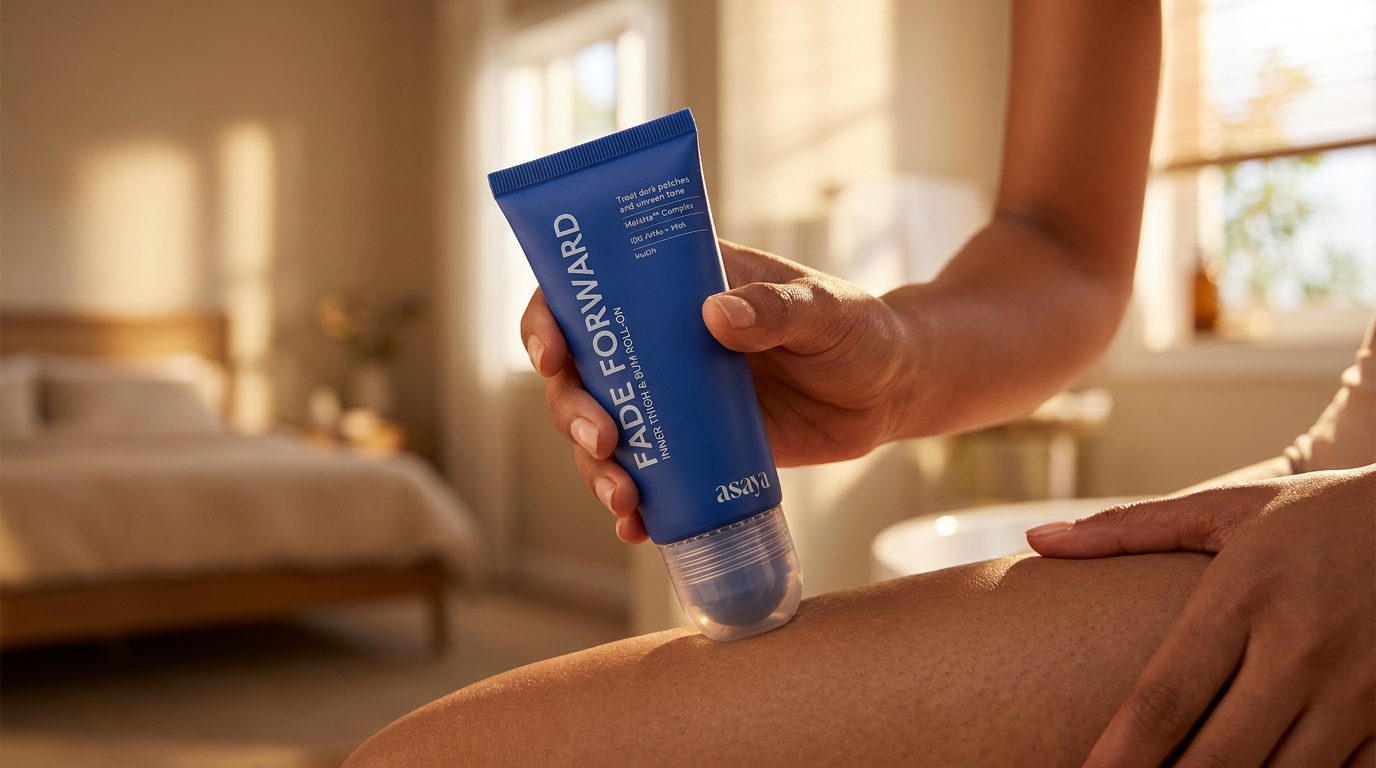
Always perform patch tests before applying any new ingredient to intimate areas. Apply treatments to clean, dry skin using gentle circular motions. Use treatments 2-3 times weekly initially, increasing frequency as skin tolerates. Avoid harsh scrubbing or aggressive application methods.
Preventing further darkening is crucial for maintaining treatment results. Simple lifestyle changes can significantly reduce friction and irritation that cause inner thigh darkening treatment needs.
Choose breathable cotton underwear that fits properly without being too tight. Avoid synthetic fabrics that trap moisture and increase friction. Consider using anti-chafing products during exercise or hot weather.
Use sharp, clean razors and shave in the direction of hair growth. Consider laser hair removal as a long-term solution to reduce trauma from repeated shaving. If using depilatory creams, choose formulas specifically designed for sensitive areas.
Most people notice initial improvements within 4-6 weeks of consistent treatment. Significant lightening typically occurs after 8-12 weeks. Professional treatments may show faster results than home remedies.
Many natural ingredients are safe when used properly, but avoid harsh substances like lemon juice or baking soda. These can cause chemical burns on sensitive intimate skin. Stick to gentle, proven ingredients like aloe vera and coconut oil.
Pregnancy-related darkening often fades naturally after delivery and breastfeeding. However, some darkening may persist and benefit from gentle lightening treatments once hormones stabilize.
Lightening treatments work by inhibiting melanin production or promoting cell turnover. Anal bleaching alternatives and similar harsh bleaching methods can damage skin. Focus on gentle lightening approaches rather than aggressive bleaching.
Effective dark private area treatment requires patience, consistency, and the right approach for your skin type. Start with gentle methods and gradually increase intensity if needed. Professional consultation ensures safe treatment selection, especially for stubborn cases. Remember that some degree of intimate area darkening is completely normal, and treatment should focus on your comfort and confidence rather than achieving unrealistic standards.
