


Step-by-Step Guide to Clearing Sun Spots for Oily Skin
Your Cart
0You May Also Like
Sun spots on oily skin present a unique challenge that requires a tailored approach. While many believe oily skin is naturally protected from UV damage, the reality is quite different. Excess sebum can actually trap environmental pollutants and create inflammation that worsens pigmentation. The good news? With the right step by step guide to clearing sun spots for oily skin, you can achieve clearer, more even-toned skin. This comprehensive approach addresses both the underlying oiliness and stubborn dark spots that seem impossible to fade. Understanding how your skin type responds to different treatments is the first step toward success.
Oily skin develops sun spots differently than other skin types due to unique biological factors. The excess sebum production creates a complex environment where UV damage interacts with oil to form persistent dark marks. Many people with oily skin assume they need fewer protective measures, but this misconception often leads to more severe pigmentation issues.
The interaction between sebum production and UV damage creates a perfect storm for hyperpigmentation. When oil mixes with dead skin cells and environmental pollutants, it can trap melanin closer to the surface, making spots appear darker and more persistent. Additionally, the inflammatory response in oily skin tends to be more pronounced, leading to post-inflammatory hyperpigmentation that can last for months.
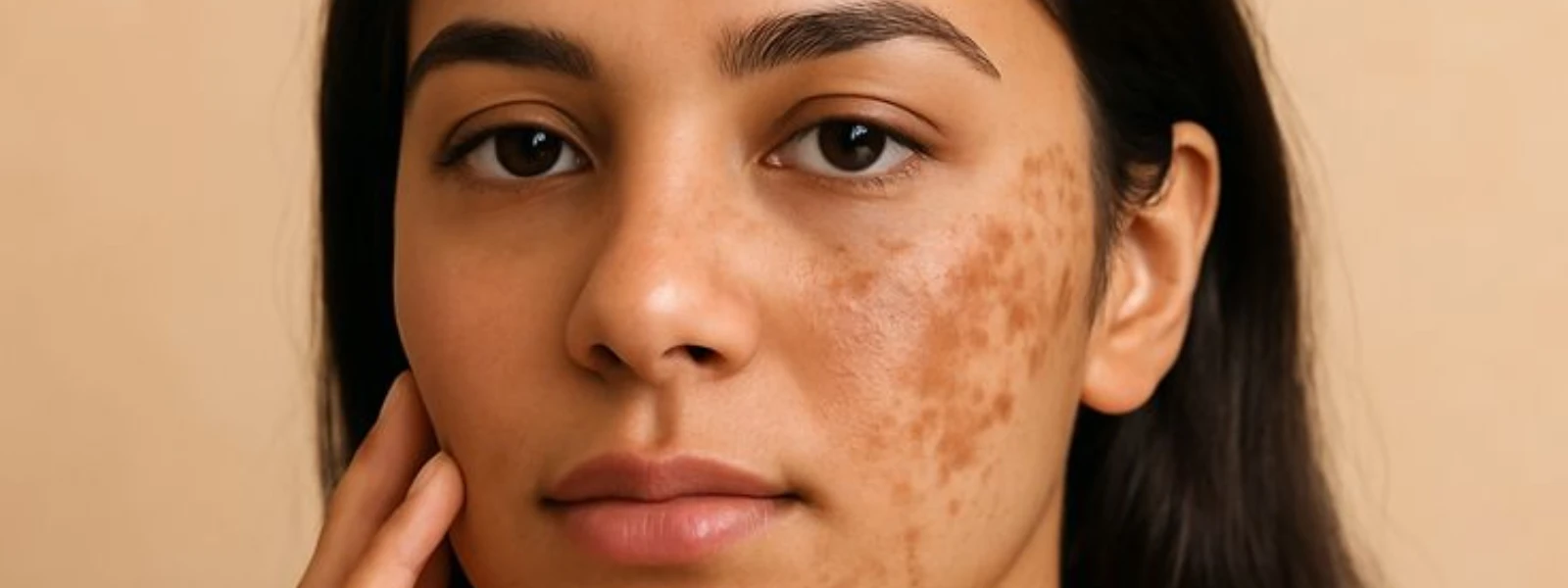
Understanding the specific type of pigmentation you're dealing with is crucial for effective oily skin dark spots treatment. Solar lentigines appear as flat, brown spots from direct sun exposure, while post-inflammatory hyperpigmentation develops after acne or skin irritation. Melasma presents as larger, symmetrical patches and is often hormone-related, requiring specialized care for oily skin types.
Creating an effective skincare routine for oily skin sun spots requires balancing oil control with gentle pigmentation treatment. This systematic approach ensures you address both concerns without over-drying or irritating your skin. Consistency is key – results typically become visible after 4-6 weeks of dedicated routine following.
Start with an oil-based cleanser to dissolve excess sebum and sunscreen without stripping your skin. Follow with a water-based cleanser containing salicylic acid or niacinamide to address both oiliness and pigmentation. This double cleansing method is essential for sun spot removal oily skin products to penetrate effectively.
Apply your spot-targeting serum to clean, dry skin. The best way to fade sun damage oily skin involves using ingredients like kojic acid, vitamin C, or hydroquinone in lightweight formulations. Start with lower concentrations to build tolerance, then gradually increase strength as your skin adapts.
Even oily skin needs proper hydration to heal pigmentation effectively. Choose oil-free moisturizers with niacinamide or hyaluronic acid that support the skin barrier without clogging pores. This step is crucial for preventing the irritation that can worsen hyperpigmentation remedies oily complexion treatments.
Apply broad-spectrum SPF 30 or higher every morning, regardless of weather conditions. Look for lightweight, non-comedogenic formulas that won't feel heavy on oily skin. Reapply every 2-3 hours, especially if you're outdoors, as consistent sun protection is essential for preventing new spots from forming.
When at-home treatments aren't sufficient, professional interventions can accelerate results. Dermatologists offer several options specifically designed for oily skin types that won't exacerbate oil production. These treatments often provide faster results than topical products alone, especially for deep or long-standing pigmentation.
Salicylic acid and glycolic acid peels work particularly well for oily skin with sun spots. These treatments exfoliate the upper layers of skin while controlling oil production. Professional peels can address both active breakouts and pigmentation simultaneously, making them ideal for oily skin acne scars treatment.
IPL (Intense Pulsed Light) and laser treatments can target pigmentation without over-drying oily skin. These procedures work by breaking down melanin deposits, allowing the body to naturally eliminate darkened cells. Treating melasma on oily skin often requires multiple sessions spaced 4-6 weeks apart for optimal results.
While professional treatments offer faster results, natural remedies for oily skin hyperpigmentation can be effective when used consistently. These gentler approaches work well for sensitive skin or as maintenance treatments between professional procedures. Natural ingredients often provide additional benefits like antioxidant protection and oil control.
Vitamin C serums help fade existing spots while preventing new ones from forming. Look for stable forms like magnesium ascorbyl phosphate that won't irritate oily skin. Kojic acid and licorice root extract are gentle alternatives that provide gradual lightening without the potential irritation of stronger acids.
While ingredients like turmeric and lemon juice are popular in DIY treatments, they can be unpredictable and potentially irritating for oily skin. Professional formulations ensure proper pH levels and concentration for safe, effective results. If you choose natural remedies, patch test first and discontinue if irritation occurs.
Understanding realistic timelines helps maintain motivation during your pigmentation journey. Most people see initial improvements within 4-6 weeks, with significant fading occurring over 3-6 months. The key to successful oily skin dark mark correction lies in consistent application and patience with the process.
While some products claim to remove spots in days, realistic expectations involve gradual fading over weeks to months. Superficial spots may lighten within 4-8 weeks, while deeper pigmentation can take 6 months or longer. Setting achievable milestones helps track progress and maintain consistency with your routine.
Several factors affect how quickly you'll see results, including spot depth, skin thickness, and individual healing response. Oily skin often responds well to exfoliating treatments, which can accelerate cell turnover. However, over-treatment can cause irritation and actually slow progress, so finding the right balance is crucial.
Yes, but timing is crucial. Use vitamin C in the morning for antioxidant protection and retinol at night for cell turnover. Start with lower concentrations and gradually increase as your skin builds tolerance. This combination is particularly effective for how to get rid of oily skin blemishes while addressing pigmentation.
Natural treatments typically take 8-12 weeks to show visible results, longer than chemical treatments. However, they're gentler and less likely to cause irritation. Consistency is more important than intensity when using natural approaches for spot fading.
Not necessarily. Some lightweight oils like jojoba or squalane can actually help balance oil production while supporting skin barrier function. The key is choosing non-comedogenic formulations and using them sparingly. Oil cleansing can be particularly beneficial for removing sunscreen and makeup without over-drying.
Sun spots are flat pigmentation changes, while acne scars involve textural changes to the skin. Both can be addressed with similar ingredients like retinoids and vitamin C, but acne scars may require additional treatments like microneedling or laser resurfacing for optimal results.
Successfully clearing sun spots on oily skin requires a comprehensive approach that addresses both pigmentation and oil control. The most effective strategy combines consistent daily care with realistic expectations and professional guidance when needed. Remember that prevention through daily sun protection is just as important as treatment – protecting your skin from further damage ensures long-lasting results. Start with gentle products and gradually increase intensity as your skin adapts. With patience and the right approach, you can achieve the clear, even-toned complexion you desire while maintaining healthy oil balance.
