


Skincare for Bengaluru Monsoon FAQ: Your Questions Answered
Your Cart
0You May Also Like
Bengaluru's monsoon season brings a unique set of challenges for your skin. The city's high humidity levels, combined with persistent UV exposure and pollution, create the perfect storm for various skin concerns. From unexpected acne breakouts to stubborn dark spots that seem to worsen during the rainy months, many residents find themselves struggling with their usual skincare routines. Understanding how Bengaluru's specific climate affects your skin is the first step toward maintaining healthy, glowing skin throughout the monsoon season.
Bengaluru's monsoon season is unlike any other Indian city's rainy period. The humidity levels can soar up to 85%, while temperatures remain relatively moderate between 20-28°C. This combination creates a challenging environment for your skin that requires specific attention and care.
The increased moisture in the air affects different skin types in various ways. Oily skin tends to produce even more sebum, leading to clogged pores and frequent breakouts. Dry skin might initially feel more comfortable but can become prone to fungal infections due to trapped moisture. Combination skin faces the dual challenge of managing both oily and dry areas simultaneously during humid conditions.
Common skin problems during Bengaluru's monsoons include persistent acne flare-ups, increased hyperpigmentation, fungal infections, and an overall dull complexion. The city's year-round high UV index means that even on cloudy days, your skin is exposed to harmful rays that can worsen existing dark spots and create new ones.
Adapting your skincare routine for monsoon weather in Bengaluru requires strategic changes to both your morning and evening regimens. The key is to maintain a balance between controlling excess oil and ensuring adequate hydration without clogging pores.
Start your day with a gentle, non-comedogenic cleanser that removes overnight buildup without stripping your skin's natural barrier. Follow with a lightweight, water-based moisturizer that provides hydration without feeling heavy in the humid air.
Never skip sunscreen, even during cloudy monsoon days. Bengaluru maintains a high UV index throughout the year, and UV rays easily penetrate cloud cover. Choose a broad-spectrum SPF 50 sunscreen and reapply every three hours for optimal protection against hyperpigmentation and premature aging.
Evening routines during monsoon should focus on deep cleansing to remove pollution, sweat, and humidity buildup. Use a gentle exfoliant 2-3 times per week to prevent clogged pores and promote cell turnover.
This is the perfect time to incorporate treatment serums targeting specific concerns like dark spots or acne. Look for ingredients like niacinamide, vitamin C, or kojic acid that work effectively in humid conditions without causing irritation.
Hyperpigmentation treatment in Bengaluru during monsoon requires a careful approach. The high humidity can actually make your skin more sensitive to certain brightening ingredients, while the persistent UV exposure continues to trigger melanin production.
The combination of humidity and heat can cause inflammation, which often leads to post-inflammatory hyperpigmentation. This is particularly common in individuals with acne-prone skin who experience breakouts during the monsoon season.
Focus on gentle, consistent skin brightening during rainy season rather than aggressive treatments. Ingredients like vitamin C, niacinamide, and kojic acid work well in humid conditions and help fade existing dark spots while preventing new ones from forming.
Professional treatments like chemical peels should ideally be scheduled for post-monsoon periods when humidity levels decrease. However, gentle at-home treatments with fruit enzymes or mild acids can be safely incorporated into your routine.
Managing acne in humid weather requires understanding the specific triggers that Bengaluru's climate presents. The combination of high humidity, pollution, and temperature fluctuations can disrupt your skin's natural balance, leading to increased oil production and bacterial growth.
The key to effective monsoon skincare tips for oily skin lies in controlling excess oil without over-drying your skin. Over-cleansing or using harsh products can actually trigger your skin to produce more oil, creating a vicious cycle of breakouts.
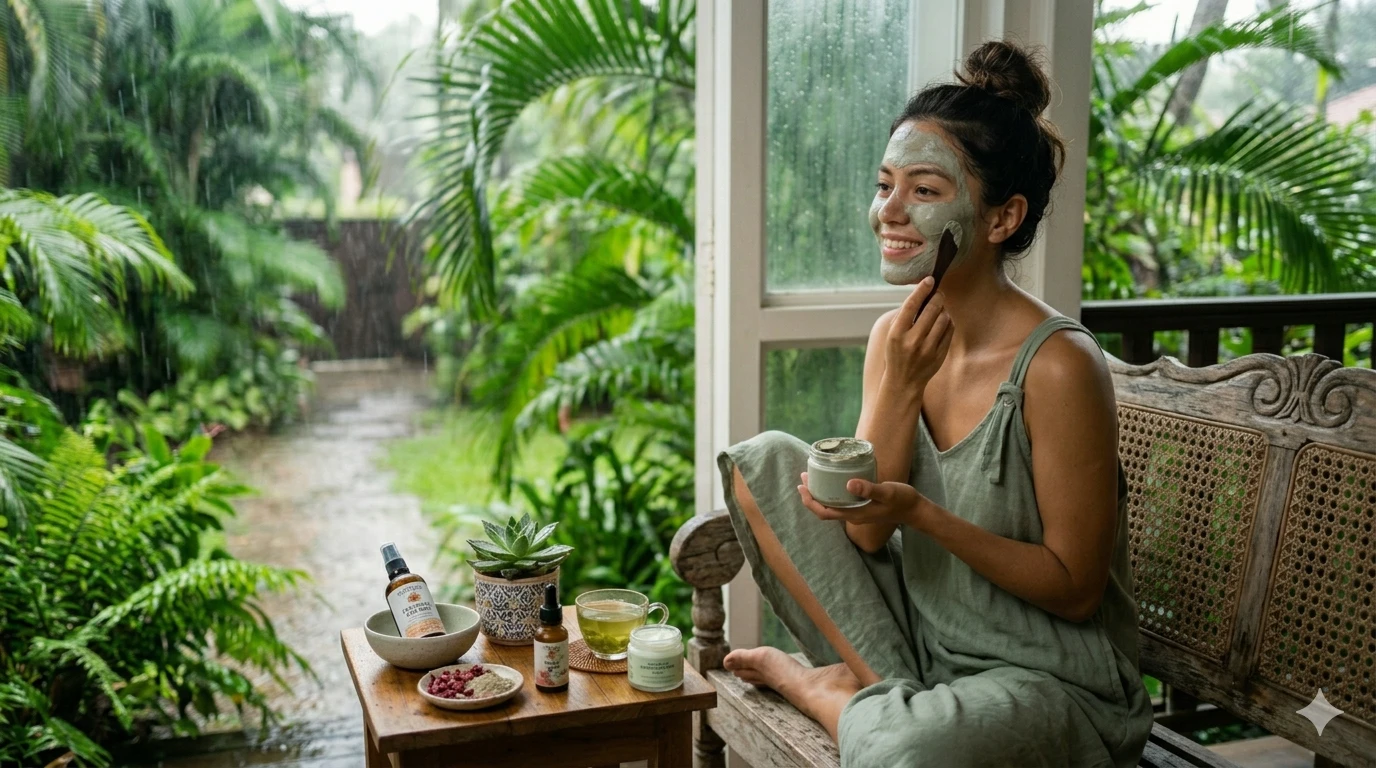
Use clay masks once or twice a week to absorb excess oil and unclog pores. Bentonite or kaolin clay works particularly well in humid conditions as they help control shine without completely stripping your skin's moisture.
Incorporate salicylic acid into your routine gradually, starting with lower concentrations to avoid irritation. This beta-hydroxy acid penetrates deep into pores and helps prevent the formation of blackheads and whiteheads that are common during monsoon season.
Finding the best moisturizers for humid climate can be challenging, as you need products that provide adequate hydration without feeling heavy or greasy on your skin. The goal is to maintain your skin's moisture barrier while allowing it to breathe in the humid air.
Gel-based moisturizers are ideal for oily and combination skin types during Bengaluru's monsoon. Look for ingredients like hyaluronic acid, aloe vera, and glycerin that provide hydration without clogging pores.
For dry skin, lightweight, non-comedogenic creams with ceramides and peptides can provide the necessary moisture without feeling heavy. Avoid thick, occlusive moisturizers that can trap heat and moisture against your skin.
Hydrating face masks for monsoon should focus on providing deep moisture while addressing specific concerns like dullness or uneven texture. Sheet masks with hyaluronic acid or vitamin E work well in humid conditions.
DIY options include honey and oatmeal masks that provide gentle hydration and mild exfoliation. These natural ingredients are less likely to cause irritation in the already sensitive monsoon environment.
Preventing fungal infections skin becomes crucial during Bengaluru's monsoon season. The high humidity creates an ideal environment for fungal growth, particularly in areas where skin folds or where clothing fits tightly.
Common fungal infections during this period include ringworm, athlete's foot, and fungal acne (malassezia folliculitis). These conditions thrive in warm, moist environments and can be particularly stubborn to treat once established.
Keep your skin as dry as possible by changing out of wet clothes immediately and using antifungal powders in prone areas. Choose breathable, moisture-wicking fabrics over synthetic materials that trap moisture against your skin.
Maintain excellent hygiene by showering immediately after getting caught in the rain and thoroughly drying all skin folds. Pay special attention to areas between toes, underarms, and the groin area where fungal infections commonly develop.
Post-monsoon skin repair is essential for addressing any damage that occurred during the humid months. This is the time to assess your skin's condition and implement more intensive treatments to restore its health and radiance.
Common issues that require attention after monsoon include persistent hyperpigmentation, clogged pores, uneven skin texture, and residual acne marks. The good news is that as humidity levels decrease, your skin becomes more receptive to active ingredients and professional treatments.
This is the ideal time to introduce stronger exfoliating acids like glycolic acid or retinoids that might have been too harsh during the humid months. Start slowly and build up tolerance to avoid irritation.
Professional treatments like chemical peels, microdermabrasion, or laser therapy can be safely performed post-monsoon to address stubborn pigmentation and texture issues that developed during the rainy season.
While Bengaluru's monsoon brings relief from intense heat, the high humidity and persistent UV exposure can trigger acne, fungal infections, and worsen hyperpigmentation. The weather requires specific skincare adaptations rather than being inherently good or bad for skin.
Gel-based moisturizers with hyaluronic acid or aloe vera work best for oily skin during humid weather. For dry skin, lightweight, non-comedogenic creams with ceramides provide adequate moisture without feeling heavy in the humidity.
Cleanse twice daily with a gentle, non-comedogenic cleanser. Those with very oily skin may benefit from a midday cleanse using micellar water to remove excess oil and pollution buildup without over-stripping the skin.
Never skip sunscreen during monsoon. Bengaluru maintains a high UV index year-round, and UV rays penetrate clouds easily. Use broad-spectrum SPF 50 and reapply every three hours for optimal protection against hyperpigmentation.
Keep skin dry by changing out of wet clothes immediately, use antifungal powders in prone areas, wear breathable fabrics, and maintain excellent hygiene. Shower immediately after getting caught in rain and thoroughly dry all skin folds.
Use gentle brightening serums with vitamin C, niacinamide, or kojic acid consistently. Maintain strict sunscreen use and avoid aggressive treatments during high humidity. Save intensive treatments like chemical peels for post-monsoon periods.
You don't need to completely overhaul your routine, but strategic modifications are essential. Switch to lighter moisturizers, increase cleansing frequency if needed, and be more vigilant about sunscreen application and reapplication.
Most people see improvement in 4-6 weeks with consistent care. However, issues like hyperpigmentation may take 8-12 weeks to show significant fading, especially when dealing with persistent humidity and UV exposure.
Navigating skincare for Bengaluru monsoon successfully requires understanding your city's unique climate challenges and adapting your routine accordingly. The combination of high humidity, persistent UV exposure, and pollution creates specific skin concerns that need targeted solutions.
Remember that consistency is key during monsoon season. Small, strategic changes to your routine can prevent major skin issues and help you maintain healthy, glowing skin throughout the rainy months. Focus on gentle, effective products that work with your skin rather than against the humid environment.
Most importantly, don't neglect post-monsoon care. This recovery period is crucial for addressing any damage and preparing your skin for the next seasonal transition. With the right approach, you can enjoy clear, healthy skin year-round, regardless of Bengaluru's weather challenges.
