


Skin Pigmentation vs Melasma: Understanding the Differences
Your Cart
0You May Also Like
Dark patches on your face can be confusing. Is it regular pigmentation from that stubborn pimple last month, or something more complex like melasma? Understanding the difference between skin pigmentation vs melasma isn't just about putting a name to what you're seeing in the mirror—it's about choosing the right treatment approach that actually works for your specific condition.
Regular skin pigmentation appears as scattered, isolated dark spots from acne, sun damage, or injury, while melasma shows up as symmetrical patches on both sides of your face
Melasma is triggered by hormones (pregnancy, birth control) and affects most women, whereas general hyperpigmentation has external causes like UV exposure and inflammation
Treatment approaches differ: melasma needs specialized hormonal management and gentle methods, while other pigmentation responds well to standard brightening ingredients and professional treatments
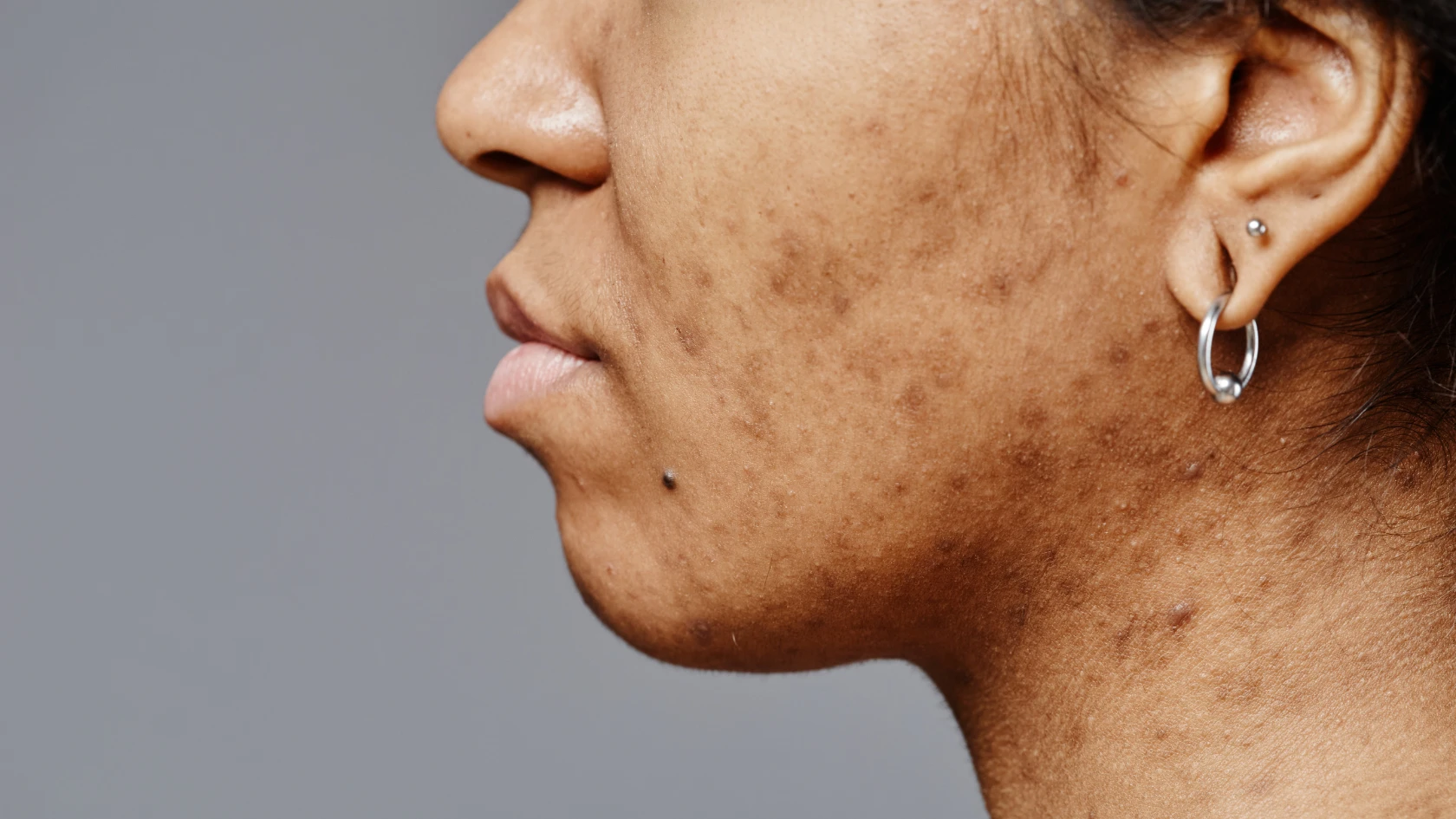
Skin pigmentation, or hyperpigmentation, happens when your skin produces extra melanin in certain spots. Think of melanin as your skin's natural protection system—when it gets triggered by damage or irritation, it sometimes goes into overdrive and creates those frustrating dark spots on skin. The types of skin pigmentation you're most likely to deal with include post-inflammatory hyperpigmentation (those marks left behind after acne), sun spots from UV damage, and age spots that develop over time. Each type has different hyperpigmentation causes, but they all share one thing: your melanin production got disrupted somewhere along the way. Post-inflammatory hyperpigmentation is probably the most common type affecting Indian skin. Every time you get a pimple, scratch a mosquito bite, or have any kind of skin injury, your skin's healing process can trigger extra melanin production. This is why that tiny pimple can leave behind a dark mark that lasts months longer than the actual breakout. Sun damage creates a different pattern—usually scattered spots on areas that get the most exposure like your face, hands, and shoulders. These develop slowly over years of UV exposure, which is why consistent sunscreen use matters so much for prevention.
Melasma is a specific type of facial hyperpigmentation that's driven by hormones, not external damage. It shows up as larger, symmetrical patches on both sides of your face—typically on your cheeks, forehead, nose bridge, and upper lip. This symmetrical pattern is one of the key differences when comparing skin pigmentation vs melasma. What makes melasma unique is its hormonal trigger. About 90% of melasma cases affect women, and it often appears during pregnancy (earning the nickname "mask of pregnancy"), when starting birth control pills, or during hormone replacement therapy. The hormonal fluctuations don't just trigger melanin production—they make your skin hypersensitive to triggers that wouldn't normally cause pigmentation. Unlike other skin darkening causes, melasma can be triggered by heat and even visible light, not just UV rays. This is why some people notice their melasma getting worse after cooking over a hot stove or spending time in a warm room, even without sun exposure. The patches tend to be larger and more diffuse than regular dark spots, often covering significant portions of your cheeks or forehead. The color can range from light brown to dark brown, and in some cases, it can even appear blue-gray, especially on deeper skin tones.
When you're trying to identify what you're dealing with, location and pattern are your biggest clues. Melasma almost always appears symmetrically—if you have a patch on your left cheek, you'll likely see a similar patch in the same spot on your right cheek. The patches are typically larger, with soft, irregular edges that blend into your normal skin tone. General pigmentation, on the other hand, appears more randomly. You might have a dark spot on one side of your face from an old pimple, some sun spots scattered across your forehead, and maybe some marks on your chin from recent breakouts. These spots are usually smaller, more defined, and don't follow any symmetrical pattern.
The fundamental difference between these conditions lies in what triggers them. Understanding this helps explain why they need different treatment approaches.
Most hyperpigmentation comes from external factors that damage or irritate your skin. UV exposure is the biggest culprit—when your skin detects UV damage, it produces melanin as protection, but sometimes this protection becomes permanent dark spots. Post-inflammatory hyperpigmentation develops after any kind of skin trauma. This could be acne, eczema, cuts, burns, or even aggressive scrubbing. Your skin's inflammatory response triggers melanin production as part of the healing process. On melanin-rich skin, this extra pigment often sticks around long after the original injury has healed. Environmental factors like pollution can also contribute to uneven skin tone. The free radicals from pollution can trigger inflammation and oxidative stress, leading to increased melanin production over time.
Melasma works differently because it's driven from the inside out. Hormonal fluctuations—particularly increases in estrogen and progesterone—make your melanocytes (pigment-producing cells) hypersensitive to any kind of trigger. This is why melasma often appears during pregnancy, when hormone levels are constantly changing. Birth control pills and hormone replacement therapy can have the same effect. Even stress can worsen melasma by affecting your hormone balance. Genetics play a bigger role in melasma than in other types of pigmentation. If your mother or grandmother had melasma, you're more likely to develop it when exposed to the same hormonal triggers. What's particularly tricky about melasma is that once it's triggered, your skin becomes sensitive to things that wouldn't normally cause pigmentation—heat from cooking, visible light from screens, and even mild sun exposure that wouldn't affect someone without melasma.
The pattern and timing of your dark patches can give you important clues about what you're dealing with. If your patches appeared during pregnancy, after starting birth control, or during a time of hormonal change, and they're symmetrical on both sides of your face, melasma is likely. For a definitive diagnosis, dermatologists use a Wood's lamp examination. This is a diagnostic tool that uses ultraviolet (UV) light to help identify certain skin conditions. Under this special UV light, melasma appears more pronounced and defined, while other types of pigmentation may not show the same enhancement. Pay attention to how your patches respond to different triggers. If they seem to darken after cooking over a hot stove, spending time in a warm room, or even after using certain skincare products, this suggests melasma rather than regular pigmentation. The location matters too. Melasma typically affects the center of your face—cheeks, forehead, nose bridge, and upper lip. If your dark spots are scattered around your jawline, temples, or other areas where you typically break out, it's more likely post-inflammatory hyperpigmentation.
The key difference in treating skin pigmentation vs melasma is that melasma requires a gentler, more comprehensive approach because of its hormonal component.
Melasma treatment needs to address both the pigmentation and the underlying hormonal sensitivity. Triple combination creams containing hydroquinone, tretinoin, and a mild corticosteroid are often considered the gold standard for melasma, but they require careful monitoring by a dermatologist. Chemical peels can be effective for melasma, but they need to be done very carefully on melanin-rich skin to avoid triggering more pigmentation. Gentle peels with kojic acid, azelaic acid, or low-concentration glycolic acid are usually safer options. Laser treatments for melasma are controversial because the heat and light can actually trigger more pigmentation. If laser treatment is considered, it's usually done in combination with pre-treatment to stabilize the melasma first. The Asaya 2% Kojic Acid & 1% Alpha Arbutin Serum offers a gentle yet effective approach for melasma-type discoloration. The combination of kojic acid and alpha arbutin works to inhibit melanin production without the irritation that can worsen hormonal pigmentation, making it suitable for the sensitive nature of melasma-affected skin.
For regular hyperpigmentation, you have more treatment options because the skin isn't hormonally hypersensitive. Vitamin C serums, niacinamide, alpha arbutin, and kojic acid can all be effective for fading dark spots and preventing new ones. This approach is key for skin tone correction. The Asaya Advanced Spot Targeting Serum is particularly effective for post-inflammatory hyperpigmentation and sun spots. With its combination of MelaMe™ Complex, 5% Niacinamide, and 2% Alpha Arbutin, it targets existing dark spots while preventing new ones from forming, with visible results typically seen within two weeks. Professional treatments like IPL (intense pulsed light), laser therapy, and microneedling can be more aggressive for regular pigmentation because there's less risk of triggering additional darkening. The Asaya Even Tone Face Cleanser provides daily support for uneven skin tone remedies by gently removing impurities while delivering brightening ingredients like kojic acid and alpha arbutin, making it an excellent foundation for any pigmentation treatment routine.
Prevention strategies differ significantly between melasma and general pigmentation. For melasma, sun protection needs to be more comprehensive—broad-spectrum SPF 50+ that also protects against visible light and heat. Mineral sunscreens with zinc oxide and titanium dioxide are often better tolerated. For general pigmentation, consistent broad-spectrum SPF 30+ sunscreen and avoiding picking at breakouts or irritating your skin are the main prevention strategies. Both conditions benefit from a gentle, consistent skincare routine that supports your skin barrier. Harsh scrubbing or over-exfoliation can trigger more pigmentation, especially on melanin-rich skin. For melasma, managing hormonal triggers is crucial. This might mean discussing birth control options with your doctor or being extra vigilant about sun protection during pregnancy.
Look at the pattern and timing. Melasma appears symmetrically on both sides of your face and often coincides with hormonal changes like pregnancy or starting birth control. Regular hyperpigmentation is more scattered and usually follows breakouts or sun damage.
Melasma is considered a chronic condition that can be managed but not permanently cured. It often fades significantly with proper treatment but may return with hormonal changes or sun exposure. The goal is long-term management rather than permanent removal.
Melasma is a specific type of pigmentation disorder, but not all pigmentation is melasma. Melasma is hormonally triggered and appears in symmetrical patterns, while other types of pigmentation have different causes and patterns.
Yes, the Asaya Advanced Spot Targeting Gel is formulated to address various types of pigmentation, including melasma-type discoloration and post-inflammatory hyperpigmentation. Its gentle yet effective formula with MelaMe™ Complex and alpha arbutin makes it suitable for both conditions, though melasma may require additional hormonal management.
Understanding whether you're dealing with regular skin pigmentation or melasma changes everything about your treatment approach. While both can be frustrating, knowing the difference helps you choose treatments that actually work for your specific condition rather than trying random products and hoping for the best. The key is patience and consistency. Regular pigmentation often responds faster to treatment, while melasma requires a longer-term management approach. Both benefit from gentle, science-backed ingredients that work with your skin rather than against it. Asaya's MelaMe™ Complex represents a breakthrough in treating both types of pigmentation effectively. This advanced, melanin-first molecule is specifically engineered to address discoloration on Indian skin tones, working to break down existing melanin deposits into re-absorbable amino acids while preventing new dark spots from forming. Clinical testing shows visible improvement in pigment balance within 2 weeks of regular use, making it more effective than traditional hyperpigmentation ingredients. Whether you're dealing with stubborn melasma or post-acne marks, MelaMe™ Complex provides the targeted approach that melanin-rich skin needs for clearer, more even-toned results. This is a great option for skin tone correction.
