


Professional Guide: Effective Hyperpigmentation Remedies Beyond Old Formulas
Your Cart
0You May Also Like
The skincare industry has witnessed a revolutionary shift in hyperpigmentation treatment, moving far beyond the harsh, outdated formulas that dominated the market for decades. While traditional approaches often relied on aggressive bleaching agents and one-size-fits-all solutions, today's advanced dermatological science offers targeted, gentler alternatives that deliver superior results. This comprehensive guide explores hyperpigmentation ingredients that are outdated and reveals what actually works today, helping you navigate the complex landscape of modern skincare for dark spots. Understanding these developments isn't just about following trends—it's about making informed decisions that protect your skin's long-term health while achieving the clear, even complexion you desire.
The journey from traditional to modern hyperpigmentation treatment represents one of the most significant advances in dermatological science. Historical approaches often emphasized rapid results through aggressive chemical intervention, frequently causing more harm than healing. Today's evidence-based methodologies prioritize skin barrier protection while delivering effective hyperpigmentation remedies that work with your skin's natural processes.
Recent clinical studies indicate that patients achieve better long-term results with modern, gentler formulations compared to traditional harsh treatments. This paradigm shift reflects our deeper understanding of melanin production, cellular turnover, and the complex interplay between various skin brightening ingredients.
Traditional hyperpigmentation treatments often created a cycle of dependency and skin sensitivity. The aggressive nature of older formulations frequently compromised the skin barrier, leading to increased inflammation and paradoxical darkening in many patients. Modern dermatologists now recognize that sustainable results require a holistic approach that addresses both the symptoms and underlying causes of hyperpigmentation.
Contemporary research has revealed that effective treatment requires targeting multiple pathways in the melanogenesis process. Unlike outdated single-ingredient approaches, today's successful protocols combine complementary active ingredients that work synergistically to inhibit tyrosinase activity, accelerate cellular turnover, and strengthen the skin barrier simultaneously.
Understanding which ingredients to avoid for hyperpigmentation is crucial for preventing skin damage and achieving optimal results. Many traditional formulations contain compounds that, while initially effective, can cause long-term complications including increased photosensitivity, skin thinning, and rebound hyperpigmentation. The most problematic outdated ingredients include high-concentration hydroquinone (above 2%), mercury-based compounds, and certain forms of kojic acid that lack proper stabilization.
These substances often provide temporary improvement followed by worsening pigmentation, creating a frustrating cycle for users seeking permanent solutions. Recognizing these outdated ingredients helps you make informed choices about your skincare routine.
While hydroquinone remains available for hyperpigmentation treatment, concentrations above 2% have been linked to ochronosis—a paradoxical darkening of the skin that can be permanent. European regulations have banned hydroquinone entirely due to safety concerns, leading to the development of safer alternatives that deliver comparable results without the associated risks.
Despite being banned in many countries, mercury-based skin lightening products continue to circulate in unregulated markets. These compounds pose severe health risks including kidney damage, neurological problems, and skin discoloration that can be irreversible. Modern regulations and consumer awareness have largely eliminated these dangerous formulations from legitimate skincare markets.
Traditional kojic acid formulations often lack proper stabilization, leading to rapid oxidation and reduced efficacy. Additionally, many users experience contact dermatitis and increased photosensitivity with conventional kojic acid products. Modern formulations address these issues through advanced stabilization techniques and combination therapies.
Contemporary hyperpigmentation treatment relies on scientifically-proven ingredients that offer superior efficacy with minimal side effects. These modern skin brightening ingredients work through multiple mechanisms, providing comprehensive treatment that addresses various types of hyperpigmentation including melasma, post-inflammatory hyperpigmentation, and age spots. The most effective modern ingredients include stabilized vitamin C derivatives, alpha arbutin, niacinamide, azelaic acid, and advanced retinoid formulations.
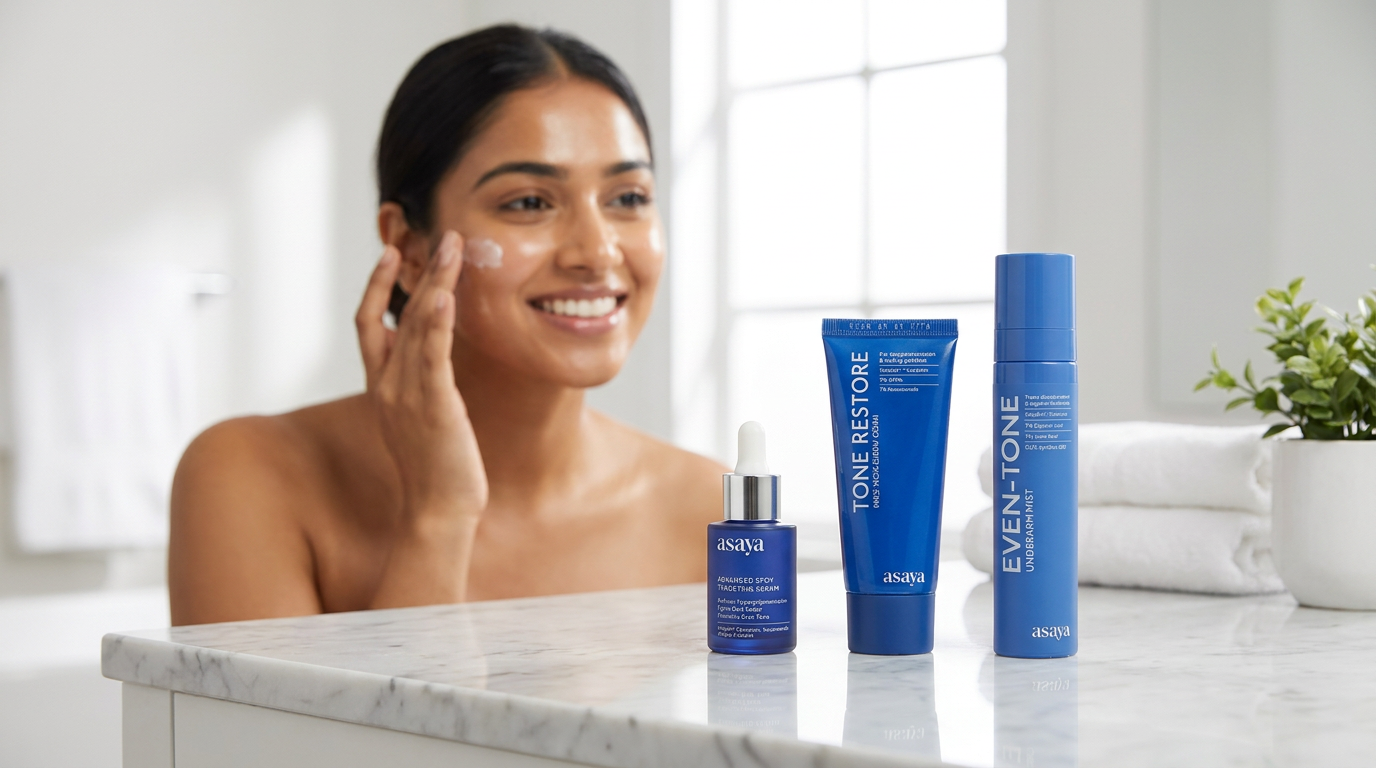
One particularly innovative advancement in this space is MelaMe™ Complex, which represents advanced skincare engineering from the house of Asaya. This melanin-first molecule has been designed to visibly treat discolouration and restore pigment balance in your skin within 2 weeks of regular use—tested and proven. It works on existing dark spots by breaking excess melanin deposits down into re-absorbable amino acids while inhibiting excess melanin production, thereby fading and preventing blemishes for even-toned, clarified skin.
Alpha arbutin has emerged as the gold standard for safe, effective hyperpigmentation treatment. This naturally-derived compound provides similar tyrosinase-inhibiting effects to hydroquinone without the associated risks. The molecular structure of alpha arbutin allows for controlled release of active compounds, providing sustained treatment without overwhelming the skin.
Modern vitamin C formulations utilize advanced stabilization techniques that maintain potency while minimizing irritation. L-ascorbic acid derivatives such as magnesium ascorbyl phosphate and sodium ascorbyl phosphate offer excellent stability and bioavailability. Research indicates that stabilized vitamin C not only inhibits melanin production but also provides photoprotection that prevents future hyperpigmentation.
Niacinamide (vitamin B3) has gained recognition as one of the most versatile ingredients in modern skincare. For hyperpigmentation treatment, niacinamide works by inhibiting melanosome transfer from melanocytes to keratinocytes, effectively reducing the appearance of dark spots while improving overall skin tone and texture. Additionally, niacinamide strengthens the skin barrier and reduces inflammation, making it ideal for sensitive skin types.
The fundamental difference between modern and traditional hyperpigmentation treatment lies in the comprehensive, science-based approach that prioritizes skin health alongside cosmetic improvement. Contemporary protocols emphasize prevention, gentle correction, and long-term maintenance rather than aggressive intervention that often leads to complications. Modern treatment strategies incorporate multiple active ingredients that work synergistically, supported by proper sun protection and skin barrier maintenance.
This holistic approach ensures sustainable results while minimizing the risk of side effects and rebound pigmentation that plagued traditional methods. The focus has shifted from quick fixes to long-term skin health and sustainable improvement.
Today's most effective hyperpigmentation remedies combine topical treatments with professional procedures, lifestyle modifications, and preventive measures. This comprehensive approach addresses hyperpigmentation from multiple angles, ensuring more complete and lasting results than single-ingredient solutions. Professional dermatologists now recommend treatment protocols that may include chemical peels, laser therapy, and medical-grade topical formulations.
Modern dermatology recognizes that effective hyperpigmentation treatment must be tailored to individual skin types, pigmentation causes, and lifestyle factors. What works for post-inflammatory hyperpigmentation may not be optimal for melasma, and treatment protocols are now customized accordingly. Advanced diagnostic techniques allow dermatologists to identify the specific type and depth of pigmentation, enabling more targeted and effective treatment strategies.
Creating an effective modern hyperpigmentation routine requires understanding how different ingredients work together and the proper sequence for application. A well-designed routine maximizes the benefits of each product while minimizing the risk of irritation or ingredient interactions. The foundation of any effective routine includes gentle cleansing, targeted treatment products, moisturization, and comprehensive sun protection.
The specific products and application order may vary based on individual skin needs and tolerance, but certain principles remain consistent across all effective modern routines. Consistency and patience are key factors in achieving the desired results.
Morning routines should focus on protection and antioxidant support. Start with a gentle cleanser, followed by vitamin C serum, niacinamide if tolerated, moisturizer, and broad-spectrum sunscreen with at least SPF 30. The morning routine should be designed to protect the skin from environmental damage while providing gentle treatment that won't increase photosensitivity.
Evening routines allow for more intensive treatment with ingredients that may increase photosensitivity. This typically includes gentle cleansing, treatment serums containing alpha arbutin or retinoids, followed by moisturizer. Evening is the optimal time for ingredients that promote cellular turnover and repair, as the skin's natural regeneration processes are most active during sleep.
Sun protection represents the most critical component of any hyperpigmentation treatment and prevention strategy. Without adequate sun protection, even the most advanced treatments will fail to provide lasting results, and new pigmentation will continue to develop. Modern sun protection goes beyond traditional SPF ratings to include broad-spectrum protection against UVA, UVB, and visible light.
Recent research has highlighted the role of blue light and infrared radiation in pigmentation development, leading to more comprehensive protection strategies. This understanding has revolutionized how we approach daily photoprotection in hyperpigmentation management.
Modern sunscreens utilize advanced filter technologies that provide superior protection with improved cosmetic elegance. Mineral sunscreens with micronized zinc oxide and titanium dioxide offer excellent protection without the white cast associated with traditional formulations. Chemical sunscreens now incorporate photostable filters that maintain protection throughout the day while providing additional benefits such as antioxidant activity.
Effective photoprotection requires consideration of all forms of radiation that can stimulate pigmentation. This includes UVA protection, visible light protection, and infrared protection. Tinted sunscreens and makeup products with iron oxides provide additional protection against visible light, which is particularly important for individuals with melasma or other hormonally-influenced pigmentation disorders.
Avoid high-concentration hydroquinone (above 2%), mercury-based compounds, and unstabilized kojic acid. These outdated ingredients can cause skin sensitivity, rebound pigmentation, and in some cases, permanent darkening. Always choose products with modern, stabilized formulations that have been clinically tested for safety and efficacy.
Modern treatments typically show visible improvement within 2-4 weeks of consistent use, with significant results becoming apparent after 8-12 weeks. However, the timeline can vary based on the type and severity of pigmentation, skin type, and the specific ingredients used in your routine.
Yes, modern formulations are designed to work synergistically. Combinations like vitamin C with niacinamide, or alpha arbutin with kojic acid derivatives, often provide superior results compared to single ingredients. However, introduce new products gradually and consider consulting a dermatologist for personalized advice.
Absolutely. Sun protection is the most crucial step in any hyperpigmentation routine. Even gentle ingredients can make your skin more photosensitive, and UV exposure will counteract the benefits of any treatment. Use broad-spectrum SPF 30 or higher daily, regardless of weather or season.
Modern ingredients offer better safety profiles, enhanced stability, and improved delivery systems. They work through multiple mechanisms simultaneously, provide gentler treatment with fewer side effects, and are formulated to work with your skin's natural processes rather than against them. This results in more sustainable, long-term improvement without the risks associated with older formulations.
The evolution from harsh, outdated hyperpigmentation treatments to modern, science-based solutions represents a significant advancement in skincare. By understanding which ingredients to avoid and embracing proven modern alternatives, you can achieve safer, more effective results. Remember that consistency, patience, and proper sun protection are essential components of any successful hyperpigmentation treatment routine. The key lies in choosing products with clinically proven ingredients that work synergistically to address your specific skin concerns while maintaining long-term skin health and radiance.
