


PIH Treatment Guide for Indian Skin: A Step-by-Step Tutorial
Your Cart
0You May Also Like
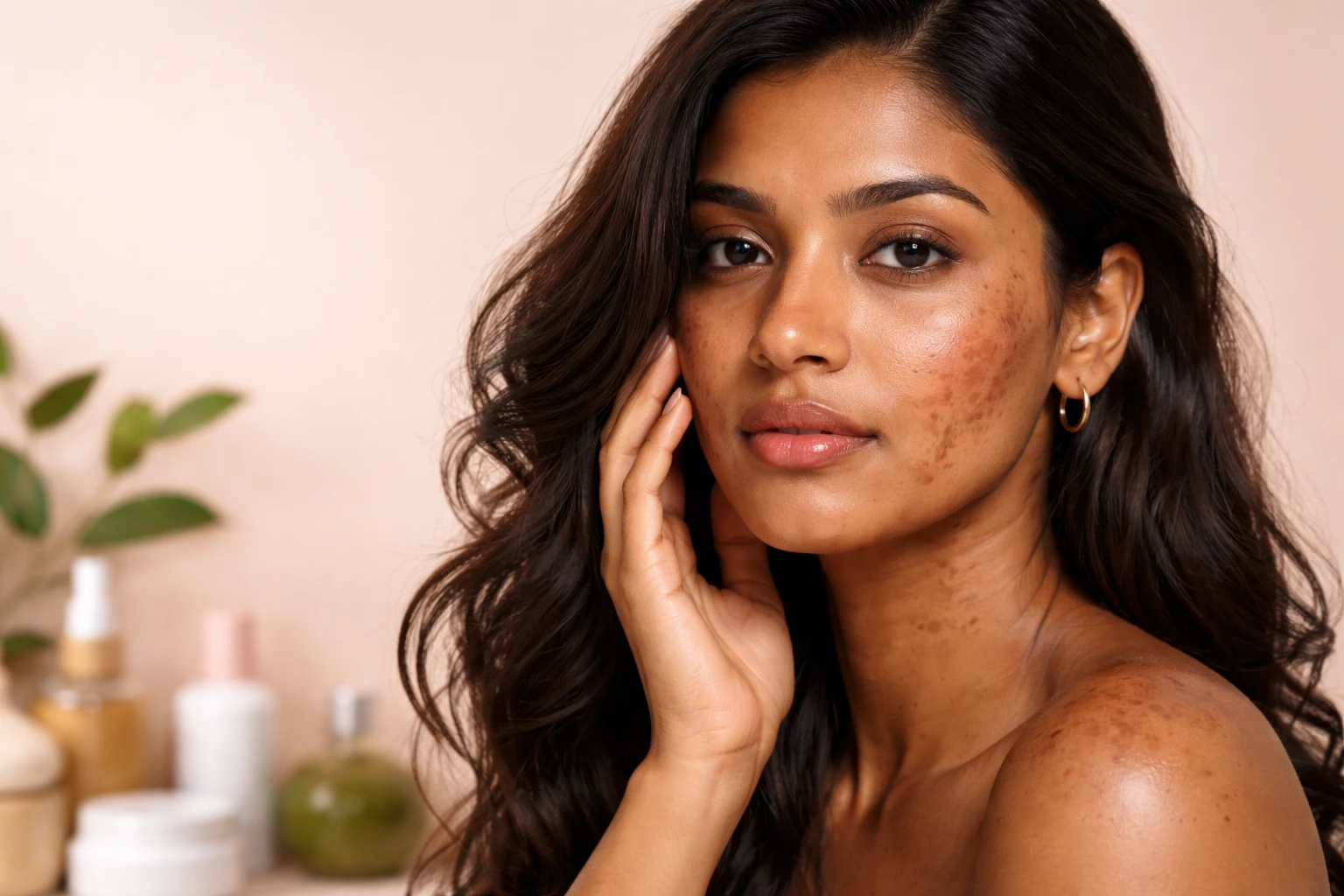
Post-inflammatory hyperpigmentation affects nearly most people with melanin-rich skin, yet most treatment guides ignore the unique challenges Indian skin faces. Standard PIH protocols often backfire on darker skin tones, causing more pigmentation instead of less. The key difference? Indian skin has higher melanocyte activity and responds differently to common ingredients like hydroquinone and retinoids. Understanding these differences isn't just helpful—it's essential for actually seeing results.
• PIH treatment for Indian skin requires gentler actives, slower introduction, and religious sun protection to avoid worsening pigmentation
• Start with niacinamide and vitamin C, add kojic acid or alpha arbutin after 4-6 weeks, always patch test first
• Expect 3-6 months for visible improvement with consistent use—rushing the process typically backfires on melanin-rich skin
Post-inflammatory hyperpigmentation Indian skin develops more readily because of increased melanocyte sensitivity. When your skin gets inflamed—from acne, cuts, or even aggressive scrubbing—these melanin-producing cells go into overdrive. The result? Dark spots that can last months or even years without proper treatment.
Indian skin types (typically Fitzpatrick III-V) have a genetic predisposition to produce more melanin in response to inflammation. This evolutionary advantage protects against UV damage but creates a challenge when treating hyperpigmentation causes Indian skin experiences daily.
Pollution in Indian cities creates chronic low-level inflammation. UV exposure remains high year-round, even through clouds and windows. These factors keep melanocytes active, making existing dark spots darker and creating new ones from minor skin trauma.
Hormonal changes during pregnancy, periods, or stress can trigger melasma-like pigmentation patterns. This differs from typical PIH and may require different treatment approaches for Indian skin.
This step-by-step approach minimizes irritation while maximizing results for hyperpigmentation remedies Indian skin actually responds to.
Start with barrier repair before introducing any actives. Use a gentle cleanser like the Asaya Even Tone Face Cleanser, which contains MelaMe™ Complex, Alpha Arbutin, and Kojic Acid in a low-pH formula that won't strip your skin. This cleanser removes makeup and SPF while beginning the pigmentation-fighting process.
Apply SPF 50+ every morning, even indoors. Reapply every 2-3 hours if you're near windows or outdoors. Without consistent sun protection, any PIH treatment will fail.
Introduce one active ingredient at a time. Start with niacinamide 5% in the evening, using it every other night for the first week. If no irritation occurs, increase to nightly use.
After 2 weeks of successful niacinamide use, add vitamin C in the morning. The Asaya 15% Vitamin C + E Serum with Ferulic Acid provides a potent blend that targets sun damage and dullness while being gentle enough for daily use on Indian skin.
Once your skin tolerates the basics, add targeted pigmentation fighters. The Asaya 2% Kojic Acid & 1% Alpha Arbutin Serum combines two proven melanin inhibitors in concentrations that work without causing irritation on darker skin tones.
Apply this serum in the evening, after niacinamide but before moisturizer. Results typically become visible around week 6-8 of consistent use, based on clinical studies.
Not all PIH ingredients work equally well on Indian skin. Some can actually worsen pigmentation if used incorrectly.
Niacinamide (5-10%) reduces melanin transfer from melanocytes to skin cells. It's anti-inflammatory and strengthens the skin barrier—crucial for preventing new PIH formation.
Vitamin C (10-15%) inhibits tyrosinase, the enzyme that produces melanin. L-ascorbic acid works fastest but can irritate sensitive skin. Magnesium ascorbyl phosphate offers gentler results.
Kojic Acid (1-2%) naturally inhibits melanin production. It's particularly effective for acne scars Indian skin develops after breakouts.
Alpha Arbutin (1-2%) works similarly to hydroquinone but with less irritation risk. It's especially effective when combined with kojic acid.
Azelaic Acid (10-20%) offers anti-inflammatory benefits while gently exfoliating. It's particularly good for PIH caused by acne.
Hydroquinone above 2% can cause paradoxical darkening on Indian skin with prolonged use. High-concentration retinoids (above 0.05%) often cause irritation that worsens PIH. Aggressive physical exfoliation creates micro-trauma that triggers more pigmentation.
Turmeric mixed with honey creates an anti-inflammatory mask. Use 1 teaspoon turmeric powder with 2 tablespoons raw honey. Apply for 15 minutes twice weekly.
Licorice root extract contains glabridin, a natural tyrosinase inhibitor. Look for products with 2-5% licorice extract or make a tea compress using licorice root tea bags.
Aloe vera gel soothes inflammation and helps prevent PIH from forming after breakouts. Use pure aloe gel as a spot treatment on active acne.
See a dermatologist if PIH doesn't improve after 6 months of consistent home treatment, if dark spots are getting darker despite treatment, or if you suspect melasma rather than simple PIH. Professional treatments like chemical peels or laser therapy can accelerate results but require expertise in treating Indian skin safely.
Most people see initial fading within 6-8 weeks, with significant improvement by 3-6 months. Complete fading can take 12-18 months for deep pigmentation. The Asaya Advanced Anti-Pigmentation Set provides a complete 4-step routine designed to work within this timeline.
Yes, but introduce them slowly. Start with one active, add the second after 2-4 weeks of tolerance, then add a third if needed. Never use more than 2-3 actives simultaneously.
This usually indicates over-exfoliation or sun exposure during treatment. Scale back actives, increase moisturizing, and ensure consistent SPF use.
No. Skin lightening approaches often use harsh bleaching agents. PIH treatment focuses on normalizing melanin production and reducing inflammation safely.
Treating PIH on Indian skin requires patience and the right approach. The key is consistent, gentle treatment that works with your skin's natural healing process rather than against it. Most people see meaningful improvement within 2-3 months when following a proper protocol.
Asaya's MelaMe™ Complex represents a breakthrough in melanin-first skincare technology. This advanced molecule is specifically engineered to treat discolouration and restore pigment balance. It works by breaking down excess melanin deposits into re-absorbable amino acids while inhibiting future melanin overproduction. This dual action fades existing dark spots while preventing new ones from forming, delivering faster and more effective results than traditional hyperpigmentation ingredients. For Indian skin dealing with persistent PIH, this targeted approach offers hope for clearer, more even-toned skin without the irritation risks of harsher alternatives, based on clinical testing and proven results.
