


Pigmentation Treatments: Your Complete Skin Guide
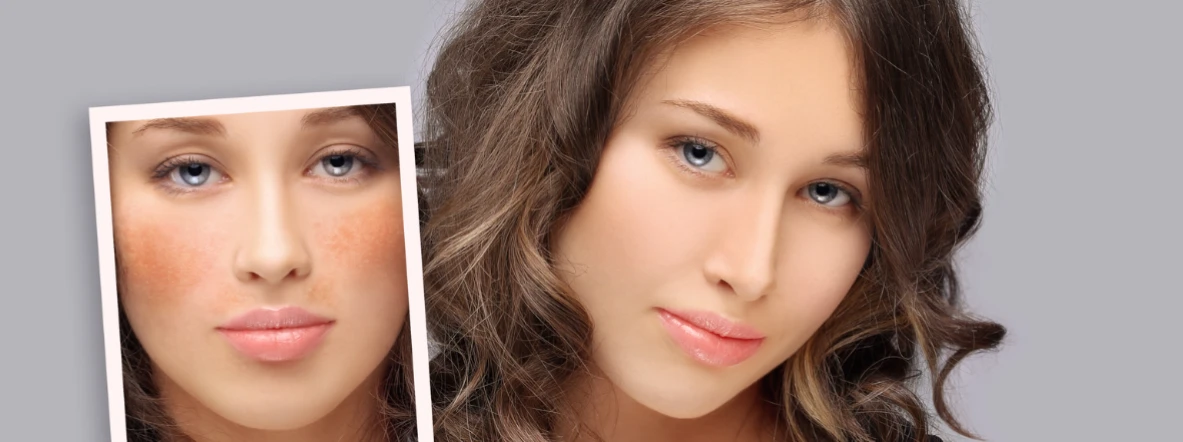
Dealing with dark spots, uneven skin tone, or stubborn patches of discoloration can feel overwhelming. Whether you're battling sun damage from years past, hormonal changes that triggered melasma, or post-acne marks that just won't fade, you're not alone in this journey. The good news? Today's pigmentation treatments skin options are more effective and accessible than ever before. From gentle at-home solutions to powerful professional procedures, there's a path forward for every skin type and concern. Understanding your options empowers you to make informed decisions about your skin's future.
Your skin's color comes from melanin, a protective pigment produced by specialized cells called melanocytes. When these cells go into overdrive or become damaged, they create patches of skin discoloration that appear darker than your natural skin tone. This process, known as hyperpigmentation, affects millions of people worldwide and can significantly impact confidence and self-esteem.
The key to effective treatment lies in understanding what triggered your specific pigmentation concerns. Different causes require different approaches, and what works for sun damage might not be the best solution for hormonal pigmentation.
Sun exposure remains the leading cause of pigmentation issues. UV rays trigger melanin reduction in some areas while causing overproduction in others, creating that patchy, uneven appearance. Years of accumulated sun damage often surface in our thirties and forties as age spots and sun spots.
Hormonal fluctuations during pregnancy, menopause, or from certain medications can trigger melasma – those symmetrical patches that often appear on the face. Post-inflammatory hyperpigmentation occurs when skin trauma from acne, cuts, or other injuries leaves behind dark marks as the healing process goes awry.
Melasma typically appears as brown or gray patches on the cheeks, forehead, and upper lip. Age spots and sun spots are usually round, flat areas that develop on sun-exposed skin like hands, shoulders, and face.
Post-acne dark spots can range from pink to deep brown, depending on your skin tone and the severity of the original breakout. Genetic factors also play a role, with some people naturally prone to freckles or other forms of pigmentation.
Professional treatments offer the most dramatic and fastest results for stubborn pigmentation. These procedures work by either breaking up existing pigment deposits or accelerating skin cell turnover to reveal fresh, even-toned skin underneath. The key is choosing the right treatment for your specific type of pigmentation and skin sensitivity.
Most professional treatments require multiple sessions spaced several weeks apart. While this might seem like a significant time investment, the results often surpass what topical treatments alone can achieve.
Q-switched lasers target pigment particles with precise energy pulses, breaking them into smaller fragments that your body can naturally eliminate. This technology works particularly well for age spot treatment and sun damage.
IPL therapy uses broad-spectrum light to target multiple pigmentation issues simultaneously. Most people see noticeable improvement after 3-5 sessions, with continued improvement over several months as the skin continues to heal and regenerate.
Chemical peels remove damaged skin layers to reveal fresher skin underneath. Light peels using glycolic or salicylic acid require minimal downtime but need multiple treatments for optimal results.
Medium-depth peels penetrate deeper and can address more stubborn pigmentation in fewer sessions. Deep peels offer the most dramatic results but require significant recovery time and careful aftercare.
Home treatments form the foundation of any successful pigmentation management plan. While they work more slowly than professional procedures, consistent use of proven ingredients can deliver impressive results over time. The key is patience and persistence – most topical treatments require 8-12 weeks of consistent use before you'll see significant improvement.
The advantage of at-home treatments is their gentleness and affordability. You can incorporate them into your daily routine without disrupting your schedule or dealing with downtime.
Hydroquinone remains the gold standard for skin brightening, working by inhibiting the enzyme responsible for melanin production. Prescription-strength formulations (2-4%) offer faster results than over-the-counter versions.
Tretinoin accelerates cell turnover while preventing new pigmentation from forming. Kojic acid and arbutin provide gentler alternatives for sensitive skin types, while newer ingredients like thiamidol show promising results in clinical studies.
Vitamin C serums protect against future damage while gradually lightening existing spots. Look for stable forms like magnesium ascorbyl phosphate or sodium ascorbyl phosphate for best results.
Niacinamide helps regulate melanin transfer and reduces inflammation that can worsen pigmentation. Alpha hydroxy acids like glycolic and lactic acid gently exfoliate to reveal brighter skin underneath.
When standard treatments aren't delivering the results you want, advanced options can provide the breakthrough you need. These treatments often combine multiple approaches or use cutting-edge technology to target pigmentation from different angles. They're particularly useful for deep, long-standing pigmentation or cases where other treatments have plateaued.
Advanced treatments typically require consultation with experienced practitioners who can assess your specific needs and create customized treatment plans.
Microdermabrasion uses fine crystals or diamond tips to gently remove the outermost skin layer, improving uneven skin tone through controlled exfoliation. It's particularly effective for superficial pigmentation and can enhance the penetration of topical treatments.
Dermabrasion goes deeper, using rotating instruments to remove several skin layers. While more intensive, it can address deeper pigmentation that other treatments can't reach.
Cryotherapy freezes targeted spots using liquid nitrogen, causing them to peel away over the following weeks. This method works well for isolated sun spot removal but requires precise application to avoid surrounding healthy skin.
Plasma pen therapy represents an emerging technology that uses ionized gas to create controlled micro-injuries, stimulating skin regeneration and pigment correction.
Your skin type, tone, and the specific characteristics of your pigmentation all influence which treatments will work best for you. What's safe and effective for one person might not be appropriate for another, making personalized treatment selection crucial for both safety and results.
Understanding these factors helps you avoid treatments that could worsen your pigmentation or cause unwanted side effects.
Melanin-rich skin requires special consideration because aggressive treatments can trigger post-inflammatory hyperpigmentation, making the problem worse. Gentler approaches with longer treatment timelines often prove more successful.
Chemical peels with lower concentrations, specific laser wavelengths designed for darker skin tones, and careful monitoring throughout treatment help ensure safe, effective results.
Melasma treatment often requires combination approaches because hormonal pigmentation tends to be particularly stubborn. Sun protection becomes even more critical because melasma can worsen with minimal UV exposure.
Age spots typically respond well to laser treatments and chemical peels, while post-acne marks might benefit more from gentle exfoliation and brightening serums.
Understanding realistic timelines and expectations helps you stay motivated throughout your treatment journey. Most pigmentation treatments work gradually, with initial improvements appearing after 4-6 weeks and optimal results developing over 3-6 months. The depth and age of your pigmentation significantly influence how quickly you'll see results.
Maintenance plays a crucial role in preserving your results long-term. Even the most effective treatments won't prevent new pigmentation from forming if you don't protect your skin properly.
Professional treatments might cause temporary darkening of spots before they begin to fade – this is normal and indicates the treatment is working. Mild redness, peeling, or sensitivity are common side effects that typically resolve within a few days.
Topical treatments often cause initial dryness or irritation as your skin adjusts. Starting slowly and building up usage helps minimize these effects while maximizing benefits.
Daily broad-spectrum sunscreen with SPF 30 or higher is non-negotiable for preventing new pigmentation. Reapplication every two hours during sun exposure ensures continuous protection.
Gentle skincare routines that support skin barrier function help maintain treatment results. Regular use of antioxidants and gentle exfoliants keeps skin healthy and radiant.
The best hyperpigmentation treatment depends on your specific type of pigmentation, skin tone, and severity. Topical creams with proven ingredients like hydroquinone or tretinoin are often the first line of treatment, while laser therapy and chemical peels offer more dramatic results for stubborn pigmentation. A dermatologist can help determine the most appropriate approach for your individual needs.
While many treatments can significantly fade pigmentation, permanent removal depends on the underlying cause. Laser treatments and chemical peels can provide long-lasting results for sun-induced pigmentation, but maintenance and strict sun protection are crucial. Hormonal pigmentation like melasma may require ongoing management to prevent recurrence.
At-home options include prescription topical medications, over-the-counter serums with vitamin C or niacinamide, and gentle chemical exfoliants. Consistent use of proven ingredients combined with diligent sun protection can deliver noticeable improvements over 8-12 weeks. However, professional treatments typically provide faster and more dramatic results than home remedies alone.
The fastest results typically come from professional treatments like chemical peels or laser therapy, which can show improvement in 2-4 weeks. Combining professional treatments with appropriate topical products and strict sun protection accelerates the fading process. Consistency and patience are key, as rushing the process can sometimes worsen pigmentation.
Body skin is typically thicker and less sensitive than facial skin, allowing for stronger treatments and higher concentrations of active ingredients. However, the same principles apply: consistent treatment, sun protection, and choosing appropriate strength formulations for the treatment area. Body pigmentation may take longer to respond due to thicker skin and slower cell turnover.
Successful pigmentation treatment requires understanding your specific type of discoloration and choosing appropriate treatments accordingly. Whether you opt for professional procedures, at-home treatments, or a combination approach, consistency and patience are essential for achieving the clear, even skin tone you desire. Remember that sun protection forms the foundation of any effective pigmentation management plan – without it, even the best treatments will provide only temporary results. With the right approach and realistic expectations, you can significantly improve your skin's appearance and boost your confidence in the process.
