


Pigmentation in India: Your Complete FAQ Guide
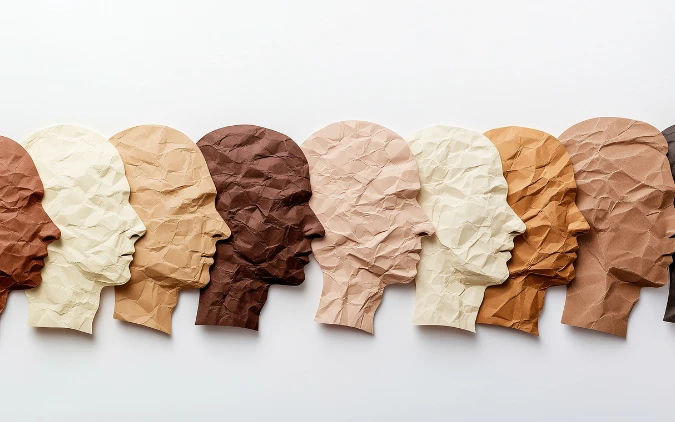
Pigmentation concerns affect millions of people across India, making it one of the most common dermatological issues in the country. The unique combination of intense UV exposure, high melanin production in Indian skin types, and various environmental factors creates a perfect storm for hyperpigmentation causes to flourish. Whether you're dealing with dark spots from acne, melasma from hormonal changes, or sun damage from daily exposure, understanding the root causes and effective treatments can help you achieve clearer, more even-toned skin. This comprehensive guide addresses the most frequently asked questions about pigmentation in India, offering practical solutions tailored to our climate and lifestyle.
Indian skin typically falls into phototypes III to V on the Fitzpatrick scale, which means higher baseline melanin production compared to lighter skin tones. This natural protection against UV damage comes with a trade-off – increased sensitivity to pigmentation triggers. When melanocytes (pigment-producing cells) become overactive due to inflammation, hormones, or sun exposure, they produce excess melanin that creates those stubborn dark spots we struggle with.
The tropical and subtropical climate across most of India exposes us to intense UV radiation year-round. Unlike temperate regions where sun exposure varies seasonally, we face consistent UV index levels of 8-12, which significantly increases the risk of developing uneven skin tone and hyperpigmentation disorders.
Research shows that South Asian populations have genetic variations that affect how melanin is distributed and regulated in the skin. These genetic factors explain why certain types of pigmentation, like melasma and post-inflammatory hyperpigmentation, occur more frequently in Indian families.
Air pollution in major Indian cities creates additional oxidative stress on the skin, leading to inflammation and subsequent pigmentation. The combination of dust, vehicle emissions, and industrial pollutants can worsen existing pigmentation and trigger new dark spots to form.
Understanding the specific type of pigmentation you're dealing with is crucial for choosing the right treatment approach. Different types respond to different ingredients and treatment methods, making accurate identification the first step toward clearer skin.
Melasma affects approximately 15-20% of Indian women, particularly during pregnancy or when using hormonal contraceptives. This "mask of pregnancy" typically appears as symmetrical brown patches on the cheeks, forehead, and upper lip area.
PIH is the most common form of pigmentation in India, often resulting from acne breakouts, cuts, burns, or even aggressive skincare practices. The inflammation triggers melanocytes to produce excess pigment, leaving behind dark marks that can persist for months or years without proper treatment.
Chronic sun exposure leads to age spots and solar lentigines, particularly on the face, hands, and shoulders. These flat, brown spots are more common in people over 40 but can appear earlier in those with significant sun exposure.
Modern dermatology offers several proven treatments for pigmentation, ranging from topical solutions to advanced procedures. The key is choosing treatments that are safe and effective for Indian skin types, which can be more reactive than lighter skin tones.
Professional treatments should always be your first consideration for stubborn or extensive pigmentation. A qualified dermatologist for pigmentation can assess your specific condition and recommend the most appropriate treatment protocol.
Effective pigmentation creams typically contain ingredients like hydroquinone, tretinoin, kojic acid, or alpha arbutin. These work by inhibiting melanin production or promoting cell turnover to fade existing dark spots. However, some ingredients like hydroquinone require careful monitoring due to potential side effects with long-term use.
Chemical peels, laser treatments, and microneedling can provide faster results than topical treatments alone. However, these procedures require expertise in treating darker skin tones to avoid complications like post-inflammatory hyperpigmentation or hypopigmentation.
The desire for quick results often leads people to try harsh or unregulated products that promise rapid skin lightening. However, safe and sustainable pigmentation removal requires patience and the right approach tailored to your skin type and condition.
Gradual improvement is always preferable to aggressive treatments that might cause irritation or rebound pigmentation. A well-structured skincare routine with proven ingredients can deliver significant improvements over 3-6 months.
Start with a gentle cleanser, followed by a vitamin C serum in the morning and a retinoid or alpha arbutin serum at night. Always finish with a broad-spectrum sunscreen during the day, as sun protection is crucial for preventing new pigmentation and protecting existing treatments.
Niacinamide, kojic acid, alpha arbutin, and vitamin C are excellent options for Indian skin. These ingredients are generally well-tolerated and effective at reducing pigmentation without causing excessive irritation or sensitivity.
Prevention remains the most effective strategy against pigmentation. Given India's intense UV exposure and environmental challenges, a proactive approach to skin protection can save you from dealing with stubborn dark spots later.
Daily sunscreen application is non-negotiable, regardless of weather conditions or indoor activities. UV rays can penetrate windows and reflect off surfaces, making consistent protection essential even on cloudy days.
Stress management, adequate sleep, and a balanced diet rich in antioxidants can support your skin's natural repair processes. Chronic stress increases cortisol levels, which can worsen hormonal pigmentation like melasma.
Most topical treatments show initial improvements within 4-6 weeks, with significant results visible after 3-4 months of consistent use. Professional treatments may show faster results but require multiple sessions spaced weeks apart.
While significant improvement is possible, complete removal depends on the type and depth of pigmentation. Surface-level pigmentation responds better to treatment than deeper melasma or genetic pigmentation patterns.
Not necessarily. Many affordable ingredients like niacinamide and kojic acid are highly effective for pigmentation. The key is consistency and using products with proven ingredients rather than focusing solely on price.
Avoid harsh scrubbing, unregulated bleaching products, and excessive sun exposure. Also, be cautious with DIY remedies like lemon juice, which can cause photosensitivity and worsen pigmentation.
Consult a dermatologist if your pigmentation is extensive, rapidly changing, or not responding to over-the-counter treatments after 3 months. Professional guidance is especially important for melasma and deep pigmentation.
Understanding pigmentation in the Indian context requires recognizing our unique genetic predisposition, environmental challenges, and lifestyle factors. Successful treatment combines the right products, professional guidance when needed, and most importantly, consistent sun protection. Remember that pigmentation treatment is a marathon, not a sprint – patience and persistence with a well-planned approach will yield the best long-term results for achieving even, radiant skin.
