


Natural Melasma Treatments India FAQ: Your Questions Answered
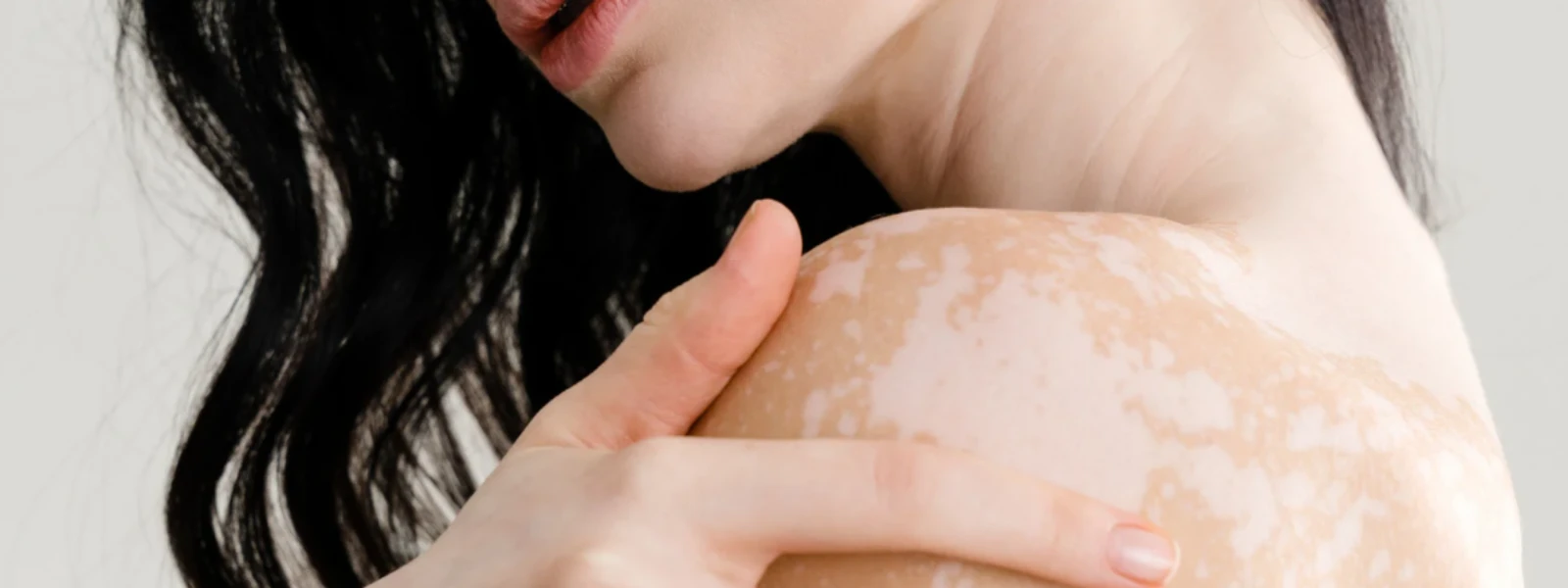
Melasma affects millions of people across India, with the condition being particularly prevalent due to our tropical climate and genetic factors. If you're dealing with those stubborn dark patches on your face, you're not alone in seeking effective natural melasma treatments India has to offer. This comprehensive guide addresses the most common questions about treating melasma naturally, combining traditional Indian wisdom with modern scientific understanding. Whether you're exploring ayurvedic treatment for melasma or looking for proven melasma home remedies, we'll help you navigate the world of natural solutions that work specifically for Indian skin types and climate conditions.
Melasma presents as brown or gray-brown patches that typically appear on the face, particularly the forehead, cheeks, nose bridge, and upper lip. This hyperpigmentation treatment challenge affects women more frequently than men, with hormonal changes during pregnancy often triggering what's commonly called "the mask of pregnancy."
The condition occurs when melanocytes, the cells responsible for skin pigmentation, produce excess melanin in response to various triggers. These dark patches are symmetrical and have irregular borders, making them distinct from other forms of hyperpigmentation. The intensity can vary from light brown to deep, almost black patches that significantly impact one's confidence and quality of life.
India's year-round high UV index creates an environment where melasma thrives. Our genetic predisposition, combined with cultural practices like outdoor festivals and ceremonies, increases exposure to triggering factors. Additionally, the use of certain traditional cosmetics and the prevalence of hormonal fluctuations due to dietary and lifestyle factors contribute to higher melasma rates in the Indian population.
Melasma is classified into three types based on the depth of pigmentation. Epidermal melasma affects the surface layer and responds well to treatment, while dermal melasma penetrates deeper and proves more challenging to address. Mixed melasma combines both types and requires comprehensive treatment approaches.
While complete melasma removal can be challenging, natural methods offer safe and effective ways to significantly lighten dark patches. The key lies in understanding that natural treatments require patience and consistency, but they provide sustainable results without harsh side effects.
Scientific research supports several natural ingredients for natural skin lightening. Kojic acid from rice fermentation, arbutin from bearberry plants, and vitamin C from citrus fruits have proven efficacy in inhibiting melanin production. These ingredients work gradually but safely to reduce pigmentation intensity.
Aloe vera gel contains compounds that soothe inflammation and promote cell turnover, making it excellent for daily application. Turmeric mixed with milk creates a powerful anti-inflammatory mask that gradually lightens dark spots. Licorice extract contains glabridin, which effectively inhibits tyrosinase, the enzyme responsible for melanin production.
Common household items offer surprising benefits for melasma treatment. Diluted lemon juice provides natural vitamin C and citric acid, but must be used carefully to avoid irritation. Fresh potato juice contains vitamin C and mild acids that gently exfoliate and brighten skin. Yogurt and honey combinations provide lactic acid and moisturizing properties that support skin renewal.
Ayurveda offers time-tested solutions for skin pigmentation solutions that have been refined over thousands of years. These treatments focus on balancing internal doshas while addressing external symptoms, providing holistic healing that modern science increasingly validates.
Manjistha acts as a natural blood purifier and skin brightener, working from within to reduce pigmentation. Sariva provides cooling properties that soothe inflamed skin while promoting even tone. Lodhra offers astringent qualities that tighten pores and reduce excess oil production that can worsen melasma.
Traditional preparations involve creating herbal pastes using specific ratios that maximize therapeutic benefits. Oil-based treatments using sesame or coconut oil as carriers help herbs penetrate deeper into skin layers. Ayurvedic dietary recommendations emphasize cooling foods and adequate hydration to support internal balance.
Recent research validates many traditional Ayurvedic approaches, showing that herbs like turmeric contain curcumin, a powerful anti-inflammatory compound. This scientific backing helps integrate ancient wisdom with contemporary skincare routines safely and effectively.
While natural treatments require patience, certain strategies can accelerate results when implemented correctly. The best melasma treatment approach combines multiple natural ingredients with lifestyle modifications for optimal outcomes.
Combining complementary ingredients like vitamin C serum in the morning with retinol alternatives like bakuchiol at night maximizes treatment efficacy. Consistent application twice daily, along with weekly gentle exfoliation using natural acids, can speed visible improvements.
Glutathione supplementation supports internal antioxidant levels, helping prevent further pigmentation while supporting existing treatment efforts. Green tea extract provides powerful antioxidants that protect against UV damage and reduce inflammation. These advanced natural options offer faster results when combined with topical treatments.
Many dermatologists now recommend natural protocols alongside conventional treatments. Clinical-grade natural formulations offer higher concentrations of active ingredients while maintaining safety profiles. Regular monitoring helps adjust treatment intensity based on skin response and progress.
Creating an effective melasma treatment routine requires understanding your specific skin type and melasma pattern. The most successful approaches combine external applications with internal support and lifestyle modifications.
Start with a thorough skin assessment to determine melasma type and severity. Select remedies based on your skin's tolerance and response patterns. Track progress weekly using photos taken in consistent lighting to monitor improvements objectively.
Indian markets offer excellent sources for natural ingredients like fresh turmeric, pure honey, and organic oils. Proper preparation involves maintaining hygiene standards and using appropriate ratios to ensure safety. Always perform patch tests before applying new formulations to larger areas.
Nutritional support through antioxidant-rich foods enhances external treatment effectiveness. Adequate hydration helps maintain skin barrier function and supports natural healing processes. Managing stress through yoga or meditation prevents hormonal fluctuations that can worsen melasma.
No natural treatment can succeed without proper sun protection. India's intense UV radiation requires comprehensive protection strategies that go beyond basic sunscreen application.
Use broad-spectrum SPF 30 or higher, reapplying every two hours during outdoor activities. Physical sunscreens containing zinc oxide or titanium dioxide provide reliable protection without chemical irritation. Protective clothing, wide-brimmed hats, and UV-blocking umbrellas offer additional defense against intense Indian sunshine.
Maintaining hormonal balance through regular exercise and adequate sleep prevents melasma triggers. Seasonal adjustments to skincare routines account for monsoon humidity and winter dryness that can affect treatment outcomes.
Natural treatments typically show initial improvements within 4-6 weeks of consistent use. Significant lightening usually occurs after 3-6 months, depending on melasma severity and treatment consistency. Patience is essential as natural ingredients work gradually but provide lasting results.
Most natural ingredients like aloe vera, oatmeal, and mild fruit acids are safe during pregnancy. However, avoid essential oils, retinol alternatives, and strong acids. Always consult your healthcare provider before starting any new treatment during pregnancy or breastfeeding.
Yes, but introduce one ingredient at a time to monitor skin response. Avoid combining acidic ingredients like lemon juice with other acids to prevent irritation. Start with gentle formulations and gradually increase potency as your skin builds tolerance.
Discontinue use immediately if you experience redness, burning, or increased pigmentation. Apply cool compresses and gentle moisturizer to soothe skin. Wait until irritation completely resolves before trying alternative treatments with lower concentrations.
DIY natural treatments are extremely cost-effective, typically costing ₹500-1000 per month for ingredients. Commercial natural products range from ₹1500-5000 monthly. Professional natural treatment consultations cost ₹2000-8000 per session, making natural approaches much more affordable than conventional treatments.
Natural melasma treatments offer safe, effective alternatives for managing hyperpigmentation, especially when tailored to Indian skin types and climate conditions. Success requires patience, consistency, and proper sun protection combined with evidence-based natural ingredients. While results take time, natural approaches provide sustainable improvements without the harsh side effects associated with chemical treatments. Remember that melasma management is an ongoing process, and maintaining results requires continued attention to sun protection and skin care routines.
